Key Takeaways
- Integrating smart technologies allows for seamless, real-time monitoring and remote control of home environments.
- AI is transforming home security by enabling proactive threat analysis and instant alerts.
- Community-based security efforts significantly enhance neighborhood safety through collaboration and information sharing.
Table of Contents
Protecting your home remains a fundamental priority for families and individuals alike. As technology advances, homeowners can choose from a range of sophisticated tools and collaborative community practices to ensure peace of mind. Today’s leading-edge security solutions combine modern technology with user-friendly designs, providing improved control and oversight from anywhere. Experts at https://usprotective.net/residential/ offer specialized services that showcase the impressive evolution of home security.
From biometric access to smart surveillance, advancements are making it easier than ever to keep homes safe. Neighbors can collectively safeguard their communities, while AI-driven tools offer greater accuracy and real-time threat detection. Being aware of and adopting these contemporary methods can help residents stay ahead of potential security breaches and enjoy greater daily comfort.
Smart Home Integration
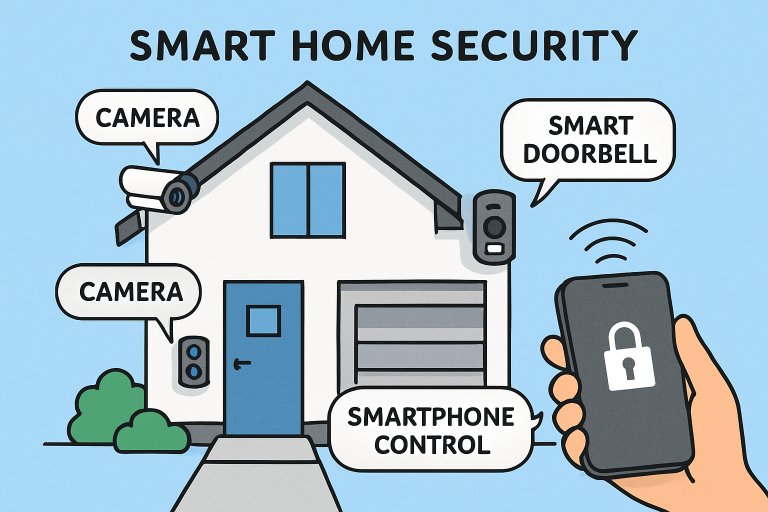
Smart home integration has rapidly transformed how residents manage their security. Devices such as smart locks, thermostats, cameras, and lights can now be controlled remotely via mobile applications or voice commands. For example, smart locks not only let homeowners allow or deny entry remotely, but also generate activity logs, providing transparency into who has accessed the home. Smart doorbells with video capability allow users to visually identify and communicate with visitors in real time, even when they are away.
These devices can easily connect with broader security systems, supporting schedules that automatically adjust lighting to deter potential intruders or alert authorities if abnormal activity is detected. By making security intuitive and accessible, smart home systems represent a significant step forward for homeowners seeking to protect their property and loved ones.
AI-Powered Surveillance
Artificial Intelligence lies at the heart of next-generation surveillance. Today’s AI-driven cameras can analyze video feeds to distinguish between humans, pets, and passing objects like cars or branches. This reduces false alarms and enables more accurate identification of potential security threats. Modern systems can even recognize familiar faces, deliver custom notifications for unknown people, and detect patterns of unusual behavior, such as lingering near a doorway or attempts at forced entry.
This advanced technology offers homeowners peace of mind by enabling threats to be detected in real time, enabling swifter intervention. The ability to automate notifications and trigger smart home responses, such as locking doors or activating alarms, streamlines the response to suspicious activity. Learn more about the expanding role of AI in home security on reputable resources like Consumer Reports: Home Security Systems.
Mobile App-Based Security Management
Mobile applications are increasingly crucial to residential security. Through centralized dashboards, users can lock or unlock doors, check live camera feeds, arm or disarm alarms, and even manage lighting or environmental controls. The convenience of receiving instant alerts on suspicious activity or system malfunctions keeps homeowners informed, no matter where they are.
- Remotely manage access for guests, service providers, or family members.
- Control multiple aspects of home security to minimize the risk of oversight or missed steps.
- Integrate with emergency contacts or local authorities for faster response times when needed.
By leveraging mobile security apps, modern homeowners can be proactive and responsive, reducing the window of opportunity for would-be intruders.
Advanced Access Control Systems
Access control technology has evolved far beyond simple lock-and-key solutions. Biometric authentication, such as fingerprint scanning or facial recognition, offers unmatched protection by ensuring only verified individuals are granted access. Such systems are ideal for front doors, garages, or dedicated safe rooms within a residence.
RFID (Radio Frequency Identification) and NFC (Near Field Communication) technologies further enhance keyless entry, enabling you to access your home with a smartphone or an encoded card. These tools not only improve convenience but also significantly reduce the risk of unauthorized entry from lost or stolen keys.
Community-Based Security Approaches
Alongside technological advancements, collective vigilance remains a foundational component of neighborhood safety. Community-based programs, such as a Neighborhood Watch, encourage communication among residents and foster a united front against potential threats. Digital platforms like Neighbors by Ring and Nextdoor enable members to share security footage, recent observations, or urgent alerts in real time.
By combining personal responsibility with community collaboration, residents can deter crime and respond more rapidly to suspicious circumstances. The collaborative model has proven to significantly reduce burglary incidents and promote a general sense of security across neighborhoods.
Cybersecurity for Smart Homes
Preventing digital security risks is essential to safeguarding smart homes. Every internet-connected device represents a potential vulnerability, so cyber hygiene cannot be overlooked. Residents should update software and firmware regularly, use strong, unique passwords for each device, and isolate smart home gadgets from personal computers by setting up a separate network segment.
Adding firewalls and intrusion detection systems ensures additional protection, particularly as attempts to compromise home security increasingly originate online. By being proactive and vigilant, homeowners can avoid many common threats, such as hacking, data breaches, or ransomware attacks that might otherwise expose their property to risk.
Green and Sustainable Security Solutions
With a growing emphasis on sustainability, eco-friendly security solutions have emerged as a priority for many property owners. Solar-powered cameras and lights slash energy consumption while also offering resilience during power outages. Selecting products made from recyclable materials reduces environmental impact without compromising on quality or effectiveness.
Energy-efficient lighting systems further enhance safety by enabling outdoor areas to remain lit all night with minimal electricity use. These practices align with a broader focus on sustainable living and ongoing security.
Conclusion
Residential security is undergoing a dramatic transformation. By embracing smart technologies, leveraging artificial intelligence, and strengthening community ties, homeowners can create safe, responsive, and sustainable places to live. Staying informed and adopting these modern strategies helps meet today’s challenges and protect what matters most.

The Editorial Team at Healthcare Business Today is made up of experienced healthcare writers and editors, led by managing editor Daniel Casciato, who has over 25 years of experience in healthcare journalism. Since 1998, our team has delivered trusted, high-quality health and wellness content across numerous platforms.
Disclaimer: The content on this site is for general informational purposes only and is not intended as medical, legal, or financial advice. No content published here should be construed as a substitute for professional advice, diagnosis, or treatment. Always consult with a qualified healthcare or legal professional regarding your specific needs.
See our full disclaimer for more details.