Understanding Holistic Wellness vs. Conventional Medicine
 We often pursue health in pieces. We might meticulously plan our diet for physical benefits or seek therapy for mental struggles. But what if we could weave all these efforts into a single, cohesive tapestry of well-being?
This is the profound promise of Holistic Wellness. It’s an approach that recognizes we are more than just a collection of symptoms or isolated body parts. We are an intricate system where our mind, body, and spirit are deeply interconnected. When one aspect falters, it inevitably impacts the others, creating ripple effects throughout our entire being.
Imagine a peaceful morning routine that blends quiet reflection with gentle physical movement. This simple act touches on physical vitality, mental clarity, and spiritual grounding, showcasing how true health emerges from integrated practices. This comprehensive guide will explore how adopting a holistic perspective can transform your life. We will delve into the core principles of this whole-person approach, understand its scientific underpinnings from lifestyle medicine to systems biology, and discover how it differs from conventional medicine. For those navigating challenging life experiences, understanding emotional and spiritual well-being is often a crucial step toward healing and wholeness, including the intricate aspects of intimate holistic wellness.
Join us as we explore how embracing this integrated path can lead to a more vibrant, balanced, and fulfilling life.
At its core, holistic wellness is a philosophy that views health as a dynamic interplay of an individual’s physical, mental, emotional, social, and spiritual states. Unlike conventional medicine, which often focuses on treating specific symptoms or diseases in isolation, holistic wellness adopts a “whole-person” approach. It seeks to understand the root causes of imbalance and promote overall well-being rather than merely suppressing symptoms.
Conventional medicine excels in acute care, emergency interventions, and treating specific pathologies. When we break a bone or contract a bacterial infection, the precision and efficacy of modern medical science are unparalleled. However, for chronic, lifestyle-driven conditions that contribute to a significant portion of the global disease burden, its symptom-focused model can fall short. Research from 2024 indicates that a staggering 86% of chronic disease burden in high-income countries is attributable to modifiable lifestyle factors. This highlights a critical gap that holistic wellness aims to fill.
Holistic wellness shifts the paradigm from disease management to health promotion and prevention. It recognizes that our bodies are complex, interconnected systems, influenced by everything from our diet and sleep patterns to our relationships and sense of purpose. This perspective is increasingly validated by fields such as systems biology, epigenetics, and psychoneuroimmunology, which demonstrate how our thoughts, emotions, and environment profoundly impact our cellular health and genetic expression. For instance, a dedicated team of professionals focusing on Longwood’s holistic patient care exemplifies how integrating comprehensive wellness strategies can lead to more profound and lasting health outcomes for individuals.
This integrated approach emphasizes that true healing involves empowering individuals to become active participants in their health journey, making informed decisions that support their entire being. It’s about building resilience and fostering an environment—both internal and external—where health can flourish naturally.
The Core Dimensions of Holistic Wellness
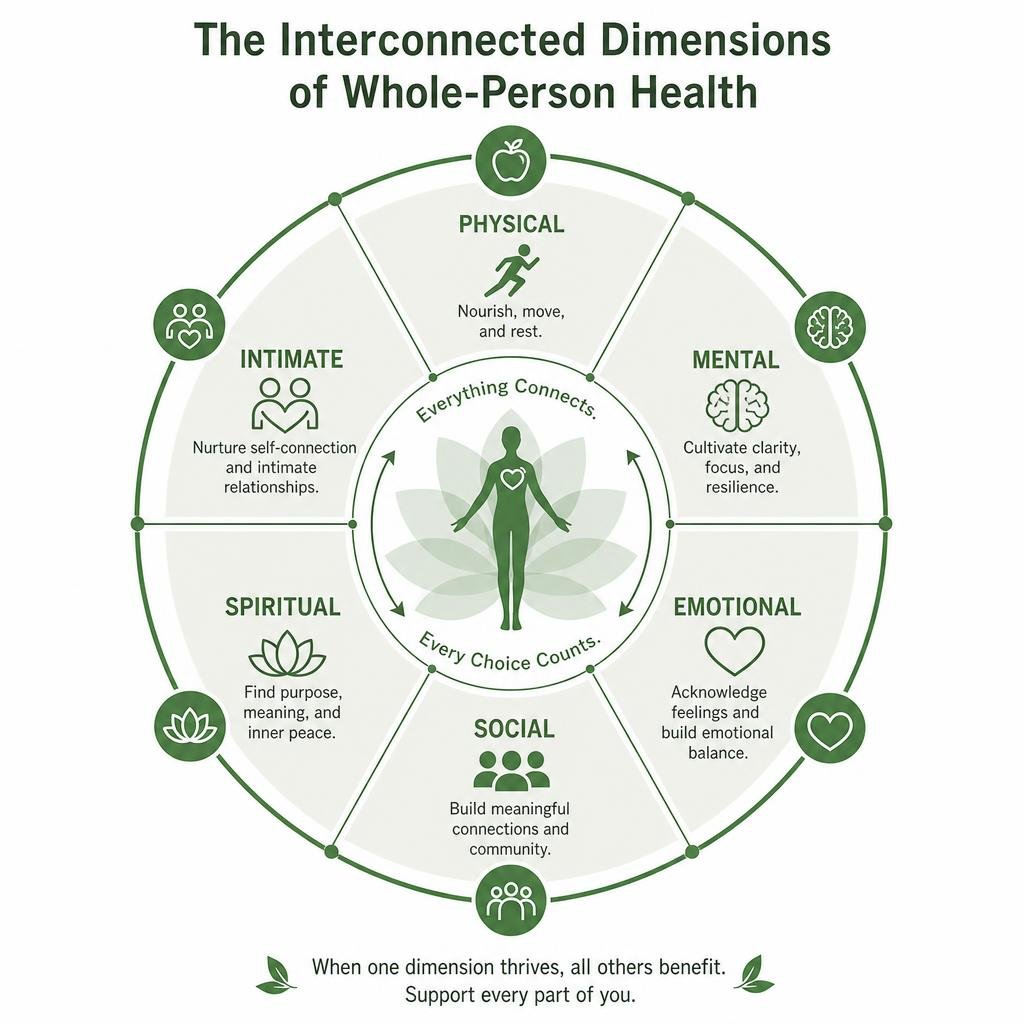
To truly embrace holistic wellness, we must understand its foundational dimensions. While various models exist, most agree on several key areas that collectively define our overall well-being. These dimensions are not separate silos but rather interwoven threads that form the fabric of our health:
- Physical Wellness: This dimension encompasses the health of our physical body. It includes nutrition, regular exercise, adequate sleep, hydration, and avoiding harmful substances. It’s about listening to our body’s signals and providing it with the care it needs to function optimally.
- Mental Wellness: Our mental health involves our cognitive abilities, such as critical thinking, problem-solving, and learning. It also relates to our ability to cope with stress, manage emotions, and maintain a positive outlook. Nurturing mental wellness means engaging in stimulating activities and seeking intellectual growth.
- Emotional Wellness: This dimension is about understanding, accepting, and effectively managing our feelings. It involves developing emotional intelligence, expressing emotions constructively, building self-compassion, and fostering resilience in the face of life’s challenges.
- Social Wellness: Humans are communal beings, and our connections with others significantly impact our health. Social wellness involves building and maintaining healthy relationships, contributing to our communities, and feeling a sense of belonging and support.
- Spiritual Wellness: This dimension often involves finding meaning, purpose, and values in life. It can be expressed through religious faith, connection to nature, mindfulness practices, or a commitment to ethical principles. Spiritual wellness provides a moral compass and a sense of connection to something larger than oneself.
- Occupational Wellness: While not always listed as a primary dimension, occupational wellness refers to finding satisfaction and enrichment in our work. It involves aligning our values with our career, achieving a healthy work-life balance, and contributing our unique talents.
When we address each of these dimensions, we create a robust foundation for multidimensional health, recognizing that strength in one area can bolster others, and neglect in one can weaken the whole.
The Science of the Mind-Body-Spirit Connection
The idea that the mind, body, and spirit are inextricably linked is ancient, rooted in traditional healing systems worldwide. Modern science is now providing compelling evidence for these connections, revealing the intricate biological pathways through which our inner experiences manifest in our physical health.
One of the most well-researched connections is the gut-brain axis. Our digestive system, often called the “second brain,” houses a vast network of neurons and produces over 90% of the body’s serotonin, a neurotransmitter crucial for mood regulation. The composition of our gut microbiome can influence our mood, stress response, and even cognitive function. A healthy gut contributes to a healthy mind, and vice versa.
The hypothalamic-pituitary-adrenal (HPA) axis is another critical player. This complex system regulates our stress response, releasing hormones like cortisol. Chronic stress, whether from mental pressure, emotional turmoil, or spiritual distress, can keep the HPA axis in overdrive, leading to elevated cortisol levels. Prolonged high cortisol can suppress the immune system, disrupt sleep, increase inflammation, and contribute to various chronic diseases. Therefore, nervous system regulation techniques, such as deep breathing and meditation, are vital for maintaining physiological balance.
Psychoneuroimmunology, the study of the interaction between psychological processes, the nervous system, and the immune system, further illustrates this connection. Our thoughts and emotions can directly influence our immune response, making us more or less susceptible to illness. A positive mindset, strong social connections, and a sense of purpose (spiritual peace) can enhance immune function, while chronic negativity or isolation can weaken it.
Cellular health itself is a reflection of this integration. Epigenetics shows us that lifestyle choices, environmental factors, and even our emotional states can switch genes on or off, impacting our long-term health trajectory. When we nurture our mind, body, and spirit, we are not just feeling better; we are actively shaping our biology for greater resilience and vitality.
Cultivating Physical and Mental Wholeness
Achieving holistic wellness requires intentional effort across our physical and mental landscapes. It’s about building sustainable habits that nourish our entire being, fostering a sense of vitality and inner peace.

Nutrition is the cornerstone of physical health. It’s not just about counting calories but about consuming nutrient-dense foods that fuel our bodies and minds. A balanced diet rich in whole foods, lean proteins, healthy fats, and complex carbohydrates provides the essential building blocks for cellular repair, energy production, and neurotransmitter synthesis. Hydration is equally critical, as water plays a role in virtually every bodily function.
Sleep hygiene is another non-negotiable aspect. Adults typically need 7 to 8 hours of quality sleep per night. Chronic sleep deprivation increases the risk of obesity, heart disease, and infections, and severely impairs cognitive function and emotional regulation. Establishing a consistent sleep schedule, creating a relaxing bedtime routine, and optimizing our sleep environment are crucial steps.
Physical activity is a powerful tool for both physical and mental well-being. Regular exercise—at least 150 minutes of moderate or 75 minutes of vigorous activity per week, plus muscle-strengthening activities twice a week—releases endorphins, natural mood elevators that reduce stress and anxiety. Movement also improves cardiovascular health, strengthens bones, and enhances cognitive function. It’s not about punishing our bodies but finding joyful movement that we can sustain.
Stress management is paramount in our world. Chronic stress is a significant contributor to mental and physical ailments. Techniques like mindfulness, meditation, and deep breathing can help regulate the nervous system, shifting us from a “fight or flight” (sympathetic) state to a “rest and digest” (parasympathetic) state. Practices like somatic experiencing and polyvagal theory-informed exercises help us process and release stored trauma and tension from the body, fostering a deeper sense of safety and calm. By proactively managing stress, we protect our physical and mental health from its corrosive effects.
Evidence-Based Practices for Daily Holistic Wellness
Integrating holistic practices into our daily routines doesn’t require a complete overhaul; small, consistent steps can yield significant benefits. Many of these practices have roots in ancient traditions but are increasingly supported by contemporary research.
- Mindfulness and Meditation: These practices cultivate present-moment awareness, reduce stress, improve focus, and enhance emotional regulation. Even just 5-10 minutes daily can rewire the brain for greater calm and resilience.
- Yoga and Tai Chi: These mind-body practices combine physical postures, breathing techniques, and meditation. They improve flexibility, strength, balance, and reduce stress. Yoga, for example, has been shown to lower cortisol levels and improve mood.
- Acupuncture and Traditional Chinese Medicine (TCM): Acupuncture, which involves inserting thin needles into specific points on the body, has been used for millennia to restore energy balance (Qi). It’s recognized for its effectiveness in pain management, nausea, and stress reduction. TCM also encompasses herbal medicine, dietary therapy, and other modalities.
- Aromatherapy and Essential Oils: The therapeutic use of essential oils, extracted from plants, can influence mood, reduce anxiety, and promote relaxation. Lavender, for instance, is well-known for its calming properties. It’s important to use high-quality, diluted oils and consult with a professional.
- Nature Immersion: Spending time in nature, often called “forest bathing” or “ecotherapy,” has demonstrable benefits for mental and physical health. It reduces stress hormones, lowers blood pressure, and improves mood. Even a short walk in a park can be profoundly restorative.
- Deep Breathing Exercises: Simple diaphragmatic breathing can activate the vagus nerve, calming the nervous system, reducing anxiety, and improving oxygenation throughout the body.
- Active Recovery: Incorporating rest days and active recovery activities like gentle stretching, walking, or foam rolling is crucial. This allows the body to repair and rebuild, preventing burnout and injury.
These practices, when woven into daily life, create a powerful synergy, supporting our physical and mental health in a continuous, integrated manner.
The Role of Social Connections and Work-Life Balance
Beyond individual practices, our external environment and relationships play a profound role in holistic wellness. Humans are inherently social creatures, and strong social connections are not just pleasant; they are vital for our health.
Research consistently shows that social isolation is as detrimental to health as smoking 15 cigarettes a day, elevating inflammatory markers and increasing the risk of chronic disease. Conversely, robust social networks and a sense of community act as biological nutrients, strengthening our immune system and fostering resilience. Building strong social connections involves nurturing existing relationships, seeking out new ones, and actively participating in community life. This can be as simple as regular walks with friends, joining a club, or volunteering for a cause we believe in.
Work-life balance is another critical component of occupational wellness. In an increasingly demanding world, the lines between work and personal life can blur, leading to burnout and chronic stress. Finding fulfillment in work means aligning our professional endeavors with our values and strengths, but it also requires setting healthy boundaries. This includes disconnecting from work during off-hours, taking regular breaks, and ensuring we have ample time for rest, hobbies, and relationships. Prioritizing work-life balance is not a luxury but a necessity for sustained well-being and productivity.
Occupational wellness extends beyond just our job; it encompasses our sense of purpose and contribution. When we feel our work is meaningful and that we are making a positive impact, it enhances our overall sense of well-being. This can involve career development, skill-building, or finding ways to infuse our daily tasks with greater purpose. By fostering healthy relationships and achieving a sustainable work-life balance, we create an external ecosystem that supports our internal holistic health.
Spiritual Growth, Purpose, and Intimate Health
The spiritual dimension of holistic wellness often provides the deepest wellspring of resilience, meaning, and connection. It’s about cultivating a sense of purpose, understanding our values, and connecting with something greater than ourselves. This journey is deeply personal and can manifest through various paths, including religious faith, philosophical exploration, or a profound connection with nature.

Spiritual growth involves continuous self-reflection, seeking wisdom, and aligning our actions with our core beliefs. For many, this includes practices like prayer, meditation, gratitude, and acts of service. Finding purpose and meaning in life has been consistently linked to greater longevity, happiness, and a stronger sense of well-being. It provides a framework for navigating challenges and finding hope even in difficult circumstances.
This spiritual foundation also profoundly impacts our relationships, particularly intimate ones. Emotional safety and vulnerability are cornerstones of healthy, lasting partnerships. When individuals feel secure enough to share their authentic selves, including their fears, hopes, and past hurts, true intimacy can flourish. This requires healthy boundaries, transparent communication, and a mutual commitment to understanding and support. For those seeking to navigate complex emotional landscapes, especially after trauma, specialized support can be invaluable. For example, holistic wellness biblical trauma counseling offers an approach that integrates spiritual principles with therapeutic practices to foster deep healing and relational wholeness.
Marital intimacy, in its fullest sense, extends beyond the physical to encompass emotional, intellectual, and spiritual connection. It thrives on mutual respect, shared values, and a commitment to growth—both individually and as a couple. When we nurture our spiritual selves, we bring a greater capacity for love, compassion, and resilience into our intimate relationships, allowing them to become powerful sources of strength and joy. Conversely, distress in relationships can adversely affect our immune and hormonal systems, underscoring the interconnectedness of our spiritual, emotional, and physical well-being.
Overcoming Common Misconceptions About Holistic Wellness
Despite its growing popularity, holistic wellness is often misunderstood. Clarifying these misconceptions is crucial for anyone considering this path.
- “Holistic wellness is just alternative medicine.” This is perhaps the most common misconception. Holistic wellness is not synonymous with alternative medicine, nor does it reject conventional medical care. Instead, it’s an integrative approach that seeks to combine the best of both worlds. It encourages the use of evidence-based conventional treatments when necessary, while also incorporating complementary practices and lifestyle interventions to support overall well-being. It’s about expanding the focus beyond symptoms to the whole person.
- “Holistic wellness is unscientific or mystical.” While some holistic practices have ancient origins, the core principles of holistic wellness are increasingly validated by modern science. As discussed, fields like systems biology, psychoneuroimmunology, and epigenetics provide mechanistic frameworks for understanding how the mind, body, and spirit interact. Holistic wellness is about recognizing these integrated systems, not about magical thinking.
- “Holistic wellness means never getting sick.” Holistic wellness is not a guarantee against illness or aging. It is about building resilience, optimizing our body’s innate healing capacities, and living a life that minimizes the risk of preventable diseases. When illness does occur, a holistic approach supports the healing process by addressing all dimensions of the person, rather than just the disease itself.
- “Holistic wellness is too expensive or time-consuming.” While some specialized holistic therapies can be an investment, many foundational practices are free or low-cost, such as walking in nature, practicing deep breathing, or improving sleep hygiene. The “Wellness Pyramid” framework, for instance, emphasizes prioritizing foundational lifestyle changes before strategic supplementation or professional care. Integrating holistic wellness into daily life is about making small, consistent choices that compound over time, not about drastic, expensive overhauls.
- “Holistic wellness is only for certain people.” Holistic wellness is for everyone. It’s an adaptable framework that meets individuals where they are, regardless of age, background, or health status. The principles of interconnectedness and self-care are universal, offering benefits to anyone seeking a more balanced and fulfilling life.
By dispelling these myths, we can approach holistic wellness with clarity and an open mind, recognizing its potential as a comprehensive and evidence-informed path to health.
Frequently Asked Questions About Holistic Wellness
What is the difference between holistic wellness and alternative medicine?
Holistic wellness is a broad philosophy that views health as an integrated state of physical, mental, emotional, social, and spiritual well-being. It emphasizes treating the whole person and preventing illness through lifestyle. Alternative medicine, on the other hand, refers to practices used instead of conventional medical treatments (e.g., using herbal remedies instead of prescribed medication). Holistic wellness is distinct because it doesn’t reject mainstream medicine; rather, it integrates conventional and complementary approaches. It expands the focus to include all health dimensions, often working alongside traditional medical care to achieve optimal outcomes.
How do I start a holistic wellness routine without feeling overwhelmed?
Starting a holistic wellness routine can feel daunting, but the key is to begin with small, sustainable steps. We recommend starting with an assessment to identify your highest-leverage points. Take a few minutes each evening to rate your physical, mental, emotional, social, and spiritual well-being on a scale of 1-10. Identify the dimension that feels most out of balance or is negatively impacting others. Then, focus on foundational practices in that area first, such as improving sleep hygiene, incorporating a short daily walk, or practicing a few minutes of mindfulness. Work with one practitioner if needed, rather than trying to overhaul everything at once. The goal is adequate function across all dimensions, not perfection in any single one. Consistency over intensity is crucial for lasting change.
Can holistic wellness practices support recovery from chronic stress and trauma?
Absolutely. Holistic wellness practices are particularly effective in supporting recovery from chronic stress and trauma because they address the interconnectedness of mind, body, and spirit. Chronic stress and trauma often manifest physically, emotionally, and spiritually, impacting the nervous system, gut health, and sense of safety. Practices like nervous system regulation (e.g., Polyvagal Theory-informed exercises, deep breathing), somatic experiencing, mindfulness, and trauma-informed therapies help individuals process and release stored tension. Additionally, fostering emotional safety, healthy boundaries in relationships, and connecting with purpose (spiritual growth) are vital for rebuilding resilience and moving towards wholeness. These integrated approaches help heal not just the symptoms, but the underlying patterns that contribute to chronic stress and the lingering effects of trauma.
Conclusion
Embracing holistic wellness is a journey of self-discovery and intentional living. It’s a commitment to recognizing and nurturing every facet of our being – our physical body, our mental clarity, our emotional resilience, our social connections, and our spiritual depth. By shifting our perspective from fragmented care to a whole-person approach, we unlock profound potential for healing, growth, and sustained vitality.
As we move forward in 2026 and beyond, the science increasingly validates what ancient wisdom has long understood: our health is an intricate dance between all these elements. By integrating evidence-based practices, cultivating sustainable habits, and fostering genuine connections, we become better stewards of our own well-being. This path leads not just to the absence of disease, but to a life rich in purpose, peace, and lifelong wholeness.

The Editorial Team at Healthcare Business Today is made up of experienced healthcare writers and editors, led by managing editor Daniel Casciato, who has over 25 years of experience in healthcare journalism. Since 1998, our team has delivered trusted, high-quality health and wellness content across numerous platforms.
Disclaimer: The content on this site is for general informational purposes only and is not intended as medical, legal, or financial advice. No content published here should be construed as a substitute for professional advice, diagnosis, or treatment. Always consult with a qualified healthcare or legal professional regarding your specific needs.
See our full disclaimer for more details.