The Evolution of Aesthetic Medicine and Clinical Standards
 Investing in ourselves is crucial for our overall well-being. It’s about nurturing both our inner health and outer appearance. We believe that when we look our best, we often feel our best. This leads to greater confidence and a better quality of life.
We often envision wellness as a balanced state, where confidence shines through. This holistic approach to well-being emphasizes the crucial connection between how we look and how we feel.  Indeed, investing in our health and aesthetics promotes a powerful psychophysical balance. Research continually highlights the significant link between physical appearance, self-esteem, and overall mental health.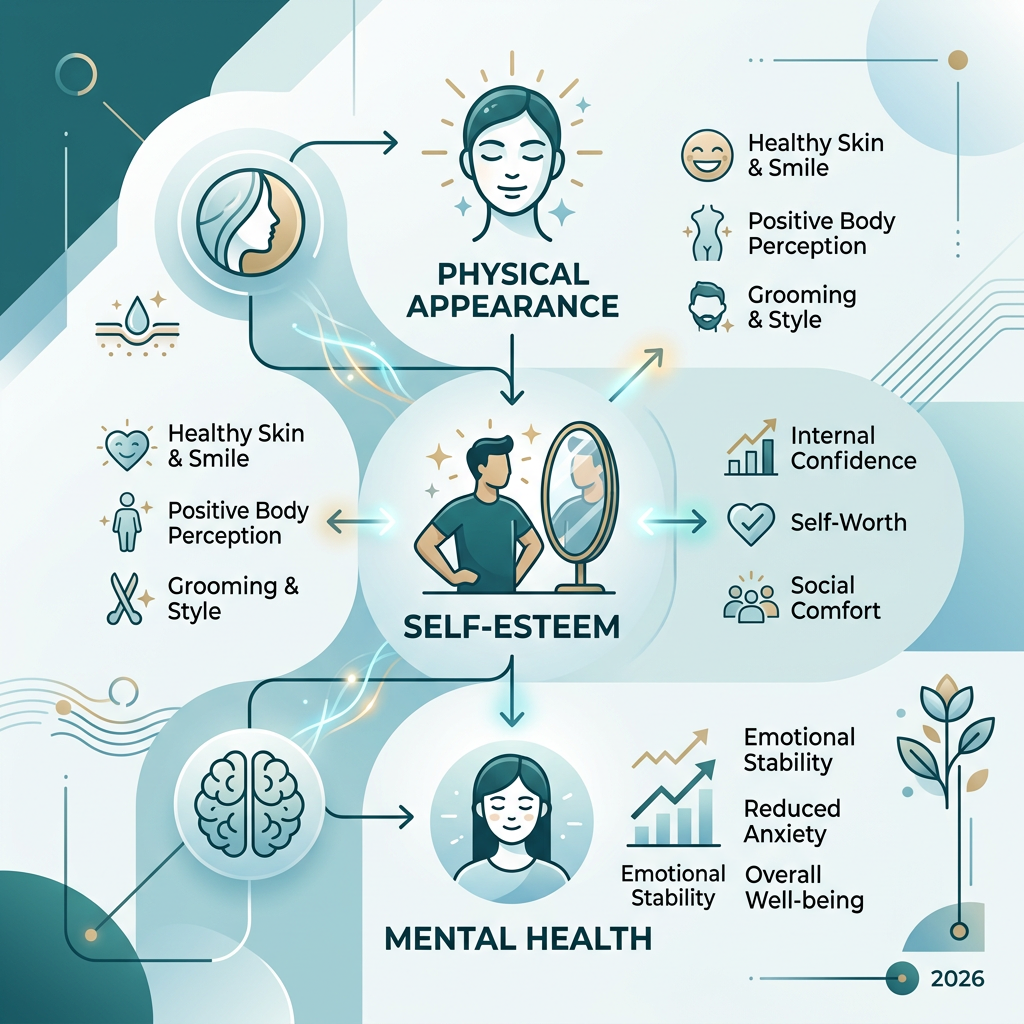
This comprehensive guide will explore how modern advancements in aesthetic medicine, dental care, and skincare are transforming the way we approach self-investment. From advanced skincare innovations to cutting-edge dental solutions, the opportunities to enhance our natural beauty and boost our well-being are more accessible than ever. For instance, maintaining a healthy, radiant smile is a key part of this journey, especially as we age. Considerations like Senior dental implants and aesthetics offer long-term solutions for lasting confidence and oral health. We will delve into the latest treatments and holistic approaches that empower us to achieve lasting health and aesthetic goals.
Aesthetic medicine, a rapidly expanding field, focuses on enhancing an individual’s appearance and overall well-being. Unlike traditional clinical medicine, which primarily addresses illness and injury, aesthetic medicine caters to “aesthetic seekers”—healthy individuals who seek to maintain, modify, or reshape their bodily appearance. This distinction is fundamental: clinical medicine aims to save or repair patients, while aesthetic medicine aims to enhance appearance and improve psychological comfort. This unique focus means aesthetic medicine integrates medical knowledge with principles of aesthetic psychology, considering not just physical outcomes but also the patient’s self-perception and confidence.
The increasing demand for aesthetic treatments has led to a greater emphasis on clinical standards, safety, and professional qualifications. Reputable clinics are often registered with regulatory bodies like the Care Quality Commission (CQC) in the UK, which signifies adherence to strict safety and quality protocols. For instance, some clinics pride themselves on being the only CQC-registered facilities offering cosmetic medicine and skincare in their region, ensuring patients receive care in environments that meet high standards for cleaning and infection control. Membership in professional organizations, such as the British College of Aesthetic Medicine (BCAM), further indicates a practitioner’s commitment to ethical practice and ongoing professional development.
When considering aesthetic treatments, it is paramount to seek out qualified and certified practitioners. A practitioner’s journey often begins with a medical degree, followed by specialized training in aesthetic procedures. For example, some leading aesthetic doctors qualified as medical practitioners in the late 1980s and have been dedicated aesthetic practitioners since the early 2000s, bringing decades of medical experience to their aesthetic practice. This extensive background ensures a deep understanding of anatomy, physiology, and potential medical complications, allowing for safer and more effective treatments. We should always look for evidence of continuous training and certification, as the field of aesthetic medicine is constantly evolving with new technologies and techniques.
The patient journey in a reputable aesthetic clinic typically begins with an in-depth consultation. This crucial step allows practitioners to understand the patient’s needs, assess their suitability for treatments, and develop a bespoke treatment plan. The focus is always on achieving natural-looking results through advanced, evidence-based treatments. Only FDA-approved technologies and products are used, ensuring both efficacy and safety. This meticulous approach, from initial consultation to post-treatment care, underscores the commitment to patient well-being and satisfaction.
The Intersection of Health and Aesthetics in Modern Medicine
Modern aesthetic medicine stands at a fascinating crossroads, blending medical science with the art of enhancing natural beauty. Far from being purely superficial, these treatments often have profound impacts on a patient’s overall health and psychological well-being.
One of the most popular categories of treatments involves non-surgical aesthetic procedures. These minimally invasive options offer significant improvements with reduced downtime compared to traditional surgery.
- Dermal fillers are widely used to restore volume, smooth wrinkles, and enhance facial contours, often utilizing hyaluronic acid, a natural substance found in the body.
- Anti-wrinkle injections, commonly known as Botox, relax facial muscles to reduce the appearance of dynamic wrinkles, providing a smoother, more youthful complexion.
- Laser therapies address a myriad of concerns, from skin rejuvenation and pigmentation issues to hair removal and scar reduction. These diverse treatments harness focused light energy to target specific skin layers or chromophores.
- HIFU (High-Intensity Focused Ultrasound) technology, an emerging trend, offers non-surgical facelifts by stimulating collagen production deep within the skin, providing lifting and tightening effects without incisions.
The benefits patients experience from these treatments extend beyond visible improvements. For instance, a clinic might report an 89% visible improvement after the first Xerf treatment (a radiofrequency technology) in sessions lasting 30-45 minutes, with results lasting up to 3-6 months. These results are often backed by high satisfaction rates, with some clinics boasting a 98% satisfaction rate among over 500 satisfied clients. This high level of patient satisfaction stems from the effective, evidence-based results delivered by these advanced procedures, often leading to improved self-confidence and quality of life.
Effective risk management is a cornerstone of responsible aesthetic practice. This involves thorough patient screening, detailed explanation of potential side effects, and adherence to strict safety protocols during treatment. Practitioners are trained to manage any complications, ensuring patient safety is always the top priority.
To further illustrate the unique nature of this field, consider the key differences between traditional clinical medicine and modern aesthetic medicine:
Feature Clinical Medicine Aesthetic Medicine Primary Goal Diagnose, treat disease, restore function Enhance appearance, improve self-esteem Target Population Patients with medical conditions Healthy individuals seeking aesthetic improvement Motivation Medical necessity, alleviate suffering Personal desire, psychological well-being Techniques Focus on pathology, physiological restoration Integrate medical techniques with aesthetic psychology Sociological Context Essential healthcare service Elective service, addresses societal beauty standards The integration of advanced technologies, such as those that promote tissue regeneration, like polynucleotide treatments or exosome therapies, further blurs the lines between health and aesthetics, offering solutions that not only enhance appearance but also improve skin health at a cellular level.
Advanced Dental Care: Restoring Function and Form
While aesthetic medicine often focuses on the skin and face, the mouth and smile play a pivotal role in overall health and aesthetics. Advanced dental care has revolutionized the way we approach oral health, offering solutions that not only restore function but also dramatically enhance appearance.
One significant advancement in periodontics, the branch of dentistry focused on gum health, is LANAP (Laser-Assisted New Attachment Procedure). This minimally invasive laser technology treats gum disease by precisely removing diseased tissue and promoting the regeneration of healthy gum tissue and bone. Patients benefit from faster recovery times and less discomfort compared to traditional gum surgery. This innovative approach helps build strong foundations for lasting smiles, addressing a common health issue that can significantly impact dental aesthetics.
For individuals facing tooth loss, dental implants have emerged as the gold standard for tooth replacement. These titanium posts are surgically placed into the jawbone, acting as sturdy roots for replacement teeth. They can support single crowns, bridges, or even full arches of teeth, providing a permanent, natural-looking, and functional solution. The benefits of dental implants extend beyond aesthetics; they preserve jawbone integrity, prevent adjacent teeth from shifting, and allow for comfortable eating and speaking.
The precision and success of dental implant procedures have been significantly boosted by computer-guided surgery. Pioneered by early adopters such as Dr. Lindsay Eastman, who has practiced as a successful periodontist since 1980, this technology allows for meticulous planning and placement of implants. Such expertise, cultivated over more than 40 years of dedication, ensures optimal outcomes and enhanced patient safety. In some cases, preliminary bone grafting may be necessary to build up sufficient jawbone to support implants, especially for patients who have experienced significant bone loss.
The commitment to advanced care is evident in practices where specialists hold dual certifications, such as in Periodontics and Prosthodontics. This rare combination ensures comprehensive treatment, from gum health and implant placement to the final restoration of teeth, all under one roof. These minimally invasive procedures and advanced techniques are transforming smiles and lives, empowering individuals to regain confidence in their oral health and appearance.
Skincare Innovations and Regenerative Treatments
The realm of skincare has witnessed a remarkable evolution, moving beyond basic creams to embrace sophisticated technologies and regenerative treatments that target cellular health and vitality. These innovations are reshaping our approach to maintaining youthful, radiant skin.
One such innovation involves polynucleotides, natural injectable compounds that boost skin vitality by promoting cellular regeneration and collagen production. This approach focuses on improving skin quality from within, leading to more radiant and resilient skin. Similarly, chemical peels, classified by their depth (superficial, medium-deep, or deep), offer controlled exfoliation to address concerns like uneven texture, hyperpigmentation, and fine lines. While superficial peels can be performed by trained aestheticians, deeper peels require medical supervision due to their more intensive effects.
Radiofrequency (RF) technology is another cornerstone of modern skincare. Treatments like Xerf utilize RF energy to gently heat the deeper layers of the skin, stimulating the body’s natural collagen and elastin production. This results in natural skin tightening and rejuvenation without the need for surgery or significant downtime. Some clinics are exclusive providers of such advanced RF technologies, reporting impressive results like an 89% visible improvement after the first treatment.
The quest for optimal skin health also involves advanced product formulations. For those looking to enhance their skin’s appearance and health through cutting-edge science, exploring resources like Nanolisse for skin health and aesthetics can provide insights into innovative solutions. These advanced products often work synergistically with in-clinic treatments to maintain and prolong results.
Emerging trends in regenerative aesthetics are pushing the boundaries even further. Exosome treatments, for example, harness the power of these tiny cellular vesicles to deliver growth factors and proteins that promote skin repair and rejuvenation. This represents a significant leap towards cellular-level healing and anti-aging. Other advancements include the integration of stem cell technology, promising even more profound regenerative effects.
Historically, treatments like mesotherapy, which originated in 1952 for various medical conditions before finding its place in aesthetics, laid the groundwork for targeted injectable therapies. Today, our understanding of cellular aging, particularly the role of telomeres (protective caps on chromosomes), informs strategies for telomere protection and anti-aging interventions. By combining these advanced treatments with a focus on skin vitality and cellular health, modern skincare offers comprehensive solutions for a truly revitalized appearance.
The Psychological Impact of Aesthetic Enhancements
The pursuit of aesthetic enhancements is often deeply intertwined with our psychological well-being. Beyond the physical changes, treatments in health and aesthetics can significantly impact mental health, self-esteem, and overall quality of life. The academic perspective acknowledges that aesthetic medicine influences psychophysical balance, helping individuals achieve personal and professional goals through improved confidence.
Research consistently shows a strong correlation between physical attractiveness and various societal advantages. For example, studies suggest that physically attractive employees may earn 10-15% more than their less attractive counterparts. Attractive individuals often receive higher ratings, lighter legal sentences, easier job attainment, and even faster service. While these findings might seem superficial, they underscore the very real social advantages associated with appearance, which in turn can bolster an individual’s confidence and self-perception.
Aesthetic treatments can play a crucial role in complex elimination and confidence restoration. For someone struggling with a noticeable skin condition, signs of aging, or dental imperfections, addressing these concerns can alleviate significant psychological distress. The ability to feel comfortable and confident in one’s own skin can lead to a more active social life, improved professional interactions, and a greater sense of overall happiness.
This is where a holistic approach truly shines. Modern aesthetic medicine recognizes that external beauty is often a reflection of internal health. Integrating lifestyle optimization, which includes aspects like nutrition, mental health practices, and physical activity, with aesthetic treatments leads to more sustainable and profound results. It’s not just about fixing a perceived flaw; it’s about empowering individuals to embrace an active, fulfilling lifestyle where their appearance aligns with their inner vitality.
When patients undergo a successful aesthetic journey, the impact on their quality of life can be transformative. They report feeling more positive, engaged, and self-assured. This wellness integration ensures that the benefits of aesthetic enhancements are not merely skin-deep but contribute to a deeper sense of well-being and self-worth.
Frequently Asked Questions about Health and Aesthetics
As we navigate the evolving landscape of health and aesthetics, many questions arise regarding safety, efficacy, and future trends. Here, we address some of the most common inquiries.
What qualifications should I look for in an aesthetic practitioner?
When choosing an aesthetic practitioner, their qualifications are paramount for your safety and the quality of your results. We recommend looking for individuals with a strong medical background, typically a medical degree (e.g., MBBS, MD). Beyond that, ensure they have specialist training specifically in aesthetic procedures. Crucially, verify their registration with relevant regulatory bodies, such as the Care Quality Commission (CQC) in the UK, which monitors and inspects health and social care services. Membership in professional organizations like the British College of Aesthetic Medicine (BCAM) indicates a commitment to high standards and ongoing education. Finally, consider their years of experience in the field and any advanced certifications they hold in specific treatments you are interested in. A practitioner with a long history of safe practice, like a doctor who has been an aesthetic practitioner for nearly two decades, brings invaluable experience.
How do modern treatments support a holistic approach to health and aesthetics?
Modern aesthetic treatments are increasingly moving towards a holistic approach, recognizing that true beauty and well-being stem from a combination of internal and external factors. This means treatments are often integrated with lifestyle optimization strategies. Practitioners may discuss nutrition, stress management, exercise, and sleep habits, as these all impact skin health and overall appearance. The goal is wellness integration, where aesthetic procedures complement a healthy lifestyle rather than acting as standalone solutions. For example, a treatment like a non-surgical facelift might be recommended alongside advice on a balanced diet and regular hydration to enhance and prolong results. This personalized approach often includes preventive care, educating patients on how to maintain their results and slow down the aging process naturally, fostering long-term health-centric beauty.
What are the emerging future trends in health and aesthetics?
The field of aesthetic medicine is dynamic, with exciting new trends continually emerging. We anticipate significant advancements in regenerative medicine, which focuses on harnessing the body’s natural healing capabilities. Key areas include:
- Exosome therapy: Utilizing cell-derived vesicles to promote tissue repair and rejuvenation.
- Stem cell technology: Exploring the potential of stem cells for skin regeneration and anti-aging.
- Endocrine rejuvenation: Treatments that aim to balance hormones to improve skin health and vitality.
- AI-guided diagnostics: Artificial intelligence is beginning to play a role in personalized treatment planning and predicting outcomes.
- Homeopathic aesthetics: While still niche, there’s growing interest in integrating natural and holistic principles into aesthetic practices.
These trends indicate a shift towards more natural, biologically-driven solutions that not only enhance appearance but also improve the underlying health of tissues.
Conclusion
Investing in ourselves, both in terms of our physical health and aesthetic well-being, is a powerful journey towards a more confident and fulfilling life. The advancements in modern aesthetic medicine, dental care, and skincare offer unprecedented opportunities for personalized care and transformative results. From cutting-edge non-surgical treatments that rejuvenate skin and restore facial harmony, to advanced dental solutions that rebuild smiles and improve oral health, the options are diverse and highly effective.
We’ve seen how a commitment to clinical excellence, evidenced by CQC registration and highly qualified practitioners, ensures safety and superior outcomes. The integration of holistic approaches, which consider lifestyle and overall wellness, underscores that true beauty is a reflection of comprehensive health. This long-term investment in ourselves leads to sustainable results, fostering health-centric beauty and empowering us to age gracefully and confidently. By embracing these innovations, we can achieve not just a renewed appearance, but a profound enhancement in our mental health, self-esteem, and overall quality of life.

The Editorial Team at Healthcare Business Today is made up of experienced healthcare writers and editors, led by managing editor Daniel Casciato, who has over 25 years of experience in healthcare journalism. Since 1998, our team has delivered trusted, high-quality health and wellness content across numerous platforms.
Disclaimer: The content on this site is for general informational purposes only and is not intended as medical, legal, or financial advice. No content published here should be construed as a substitute for professional advice, diagnosis, or treatment. Always consult with a qualified healthcare or legal professional regarding your specific needs.
See our full disclaimer for more details.