Key Takeaways
- Integrative psychiatry combines conventional mental health treatments with holistic therapies for truly comprehensive care.
- Personalized treatment plans support the individual needs of each patient, recognizing physical, emotional, and social influences.
- Holistic interventions, such as improved nutrition, mindfulness, and healthy lifestyle adjustments, play vital roles in mental well-being.
- Scientific evidence increasingly validates integrative approaches for delivering better outcomes in mental health care.
Integrative psychiatry is transforming the way mental health care is delivered. By blending established treatments with a variety of holistic practices, this evolving field focuses on nurturing the mind, body, and spirit in pursuit of a healthier, more balanced life. Individuals seeking comprehensive support often explore mental health services that embrace this well-rounded approach, recognizing that optimal mental well-being extends beyond medication or therapy alone.
This unique model brings together conventional psychiatric care, such as medication and evidence-based psychotherapy, with complementary practices like nutritional counseling, mindfulness, yoga, and lifestyle modifications. The ultimate goal is to provide a tailored strategy that addresses the complex interplay between biological, emotional, and environmental factors shaping each person’s mental health.
Holistic practices are integral to this model and include interventions that support the body and mind concurrently. These can range from adjusting nutritional patterns to practicing regular stress-management techniques. This openness to diverse methods empowers individuals to become active participants in their recovery journey while promoting resilience and lasting well-being. If you are curious about innovative approaches, many professionals in the mental health field are incorporating holistic techniques to improve traditional care models nationwide. As this field continues to grow, more research demonstrates its value. Institutions such as the National Institutes of Health support studies showing that integrative treatments can reduce relapse rates and enhance long-term outcomes for many mental health disorders. This data reflects a broader understanding of how interconnected our physical and mental health truly are, affirming that personalized care is foundational in achieving optimal wellness.
Understanding Integrative Psychiatry
Integrative psychiatry blends standard treatments—such as medication management and psychotherapy, with evidence-based complementary therapies, offering a well-rounded approach to care. Unlike traditional psychiatry, which often emphasizes only symptom management, integrative approaches seek to explore and address root causes, improve resilience, and foster a broader sense of well-being. This is especially significant for people with chronic or treatment-resistant conditions, for whom combining methods may be particularly beneficial.
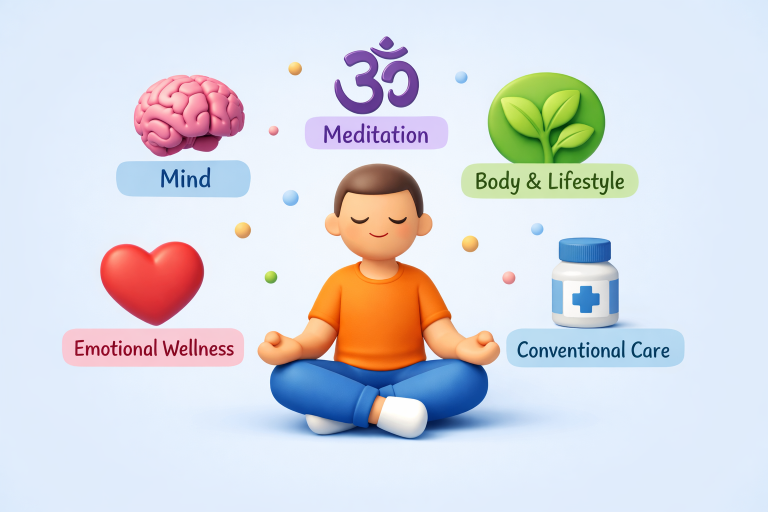
Core Components of Integrative Psychiatry
- Personalized Medication Management: Prescribing medications based on each person’s unique biochemistry and medical profile, reevaluating often to ensure effectiveness with minimal side effects.
- Nutritional Psychiatry: Utilizing evidence-based dietary recommendations to promote better brain function and mood regulation. Dietary patterns rich in omega-3 fatty acids, fruits, vegetables, and whole grains have been linked to reduced symptoms and improved emotional resilience.
- Mind-Body Practices: Integrating interventions such as mindfulness meditation, yoga, and breathwork, which are shown to reduce anxiety, lower stress hormones, and enhance concentration.
- Lifestyle Modifications: Encouraging changes in sleep hygiene, physical activity, and daily routines, empowering patients to take proactive control of their mental health.
Benefits of a Holistic Approach
- Comprehensive Care: By addressing physical habits, psychological needs, and emotional states, integrative psychiatry goes beyond symptom reduction to support sustainable, long-term improvement.
- Personalized Treatment: Each care plan adapts to the unique needs and preferences of the patient, recognizing individuality in both problems and solutions.
- Enhanced Well-Being: A holistic perspective improves day-to-day functioning, supports healthy relationships, and encourages an optimistic outlook on recovery and resilience.
Evidence Supporting Integrative Psychiatry
An expanding body of research underscores the benefits of combining classic psychiatric therapies with holistic practices. Several studies published in major medical journals illustrate how the integration of psychotherapy and mindfulness-based stress reduction can significantly alleviate depression, anxiety, and trauma-related disorders. For example, mindfulness-based cognitive therapy, when used alongside traditional medication or therapy, has proven more effective at preventing relapse in patients with recurrent depression than standard care alone.
Implementing Integrative Practices
Adopting integrative psychiatry in daily life can be a gradual and empowering process. Start by consulting qualified professionals with experience in both holistic and conventional interventions. They will help develop a plan that might begin with simple steps, such as regular meditation, identifying nutritional adjustments to support mood, or creating a stable sleep routine. Consistency is crucial, as many holistic practices take time before their benefits become evident. Ongoing communication with care providers and monitoring progress ensures safety and optimizes results.
Safety Considerations
Every person’s response to integrative therapies is unique. While most are safe, it is essential to keep your care team fully informed of any additional treatments or supplements you are using. Some herbal remedies or practices may interact with medications or underlying health conditions, so transparency and professional supervision are critical at every stage.
The Future of Mental Health Care
Integrative psychiatry signals a paradigm shift in modern mental health care, emphasizing whole-person wellness and patient-centered approaches. As scientific backing grows and public interest surges, more clinics and health professionals are expected to adopt this model. Offering hope, resources, and resilience, integrative psychiatry paves the way for lasting wellness and meaningful recovery.
Conclusion
Integrative psychiatry represents a powerful shift toward more comprehensive and personalized mental health care. By combining traditional treatments with holistic practices, it acknowledges the complex connection between mind, body, and environment. This approach not only addresses symptoms but also targets underlying factors that influence overall well-being, creating a more balanced and sustainable path to recovery. As research continues to support its effectiveness, integrative psychiatry is becoming an increasingly trusted option for those seeking deeper, long-term mental health solutions. With individualized care plans and a focus on lifestyle, nutrition, and mindfulness, individuals are empowered to take an active role in their healing journey. Ultimately, this whole-person approach offers a more compassionate, effective, and forward-thinking way to achieve lasting mental wellness.

The Editorial Team at Healthcare Business Today is made up of experienced healthcare writers and editors, led by managing editor Daniel Casciato, who has over 25 years of experience in healthcare journalism. Since 1998, our team has delivered trusted, high-quality health and wellness content across numerous platforms.
Disclaimer: The content on this site is for general informational purposes only and is not intended as medical, legal, or financial advice. No content published here should be construed as a substitute for professional advice, diagnosis, or treatment. Always consult with a qualified healthcare or legal professional regarding your specific needs.
See our full disclaimer for more details.