The Evolution of Orthopedic Care: Beyond Traditional Surgery
Imagine a life where pain doesn’t dictate your activities, where getting back on your feet after an injury doesn’t always mean a long recovery from surgery. For many, maintaining an active lifestyle, whether it’s hiking, biking, or simply enjoying daily movement, is paramount.

Orthopedic care has undergone a significant change. We are witnessing an exciting evolution, moving beyond traditional open surgeries. Our focus is increasingly on innovative, less invasive approaches. These methods aim to restore function and improve quality of life with minimal disruption.
This shift is driven by advancements in medical technology and a deeper understanding of the body’s healing capabilities. We now have an array of non-surgical options that were once unimaginable. These allow for faster recovery and reduced discomfort.
In this extensive guide, we will explore the exciting landscape of modern orthopedic care. We’ll dig into everything from advanced diagnostics to cutting-edge treatments. Our journey will cover the benefits, technologies, and patient-centered approaches defining this new era. It’s an era where modern non-surgical orthopedic treatments are becoming increasingly effective.
Join us as we uncover how these innovations are shaping the future of mobility.
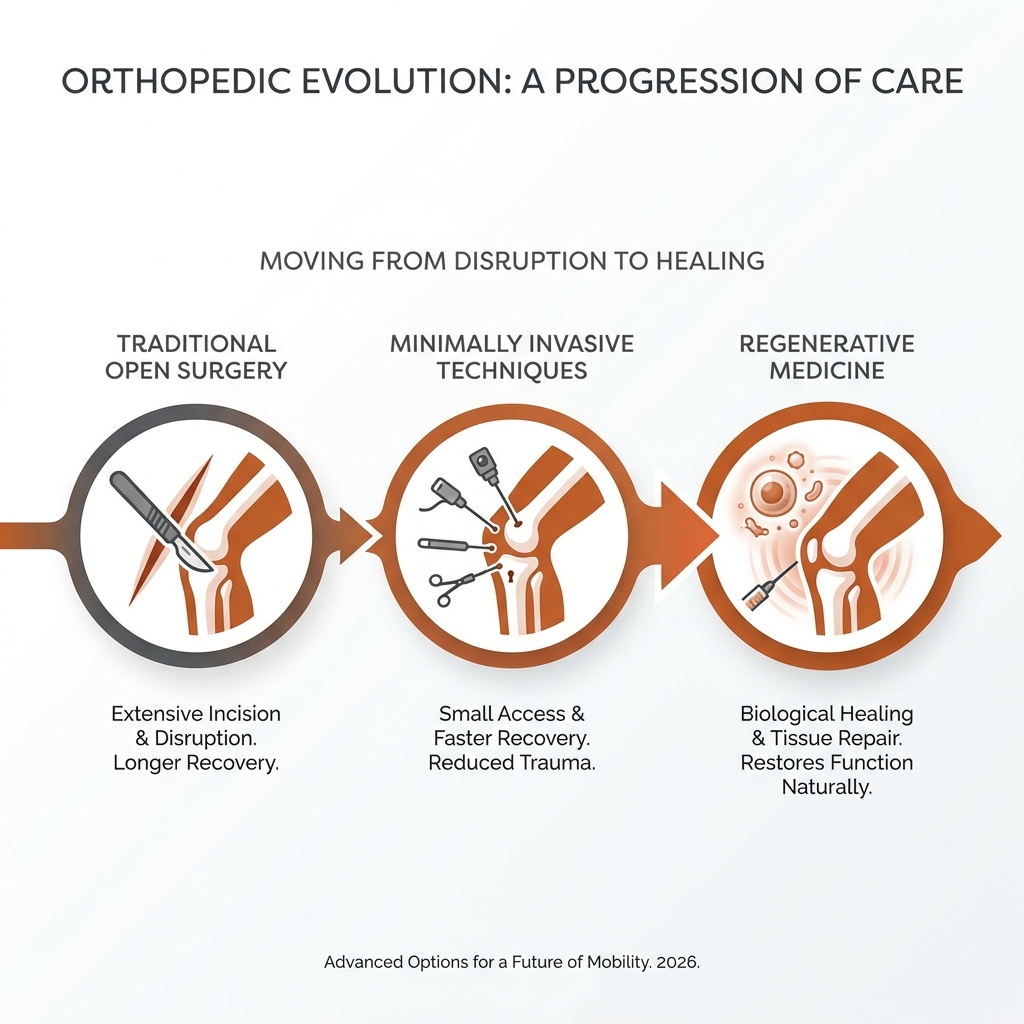
For decades, orthopedic treatment often conjured images of extensive surgeries, long hospital stays, and arduous recovery periods. While traditional surgical interventions remain crucial for many conditions, the landscape of orthopedic care has dramatically evolved. Today, our approach increasingly prioritizes non-surgical and minimally invasive options, offering patients effective solutions with fewer drawbacks.
Non-surgical treatment refers to a broad spectrum of medical interventions and therapies designed to manage various health conditions without the need for invasive surgical procedures. These can range from medications and physical therapy to advanced injections and lifestyle modifications, all aimed at alleviating symptoms, promoting healing, and improving overall function. The primary benefits of these approaches are compelling: significantly faster recovery times, reduced post-operative pain, and a lower risk of surgical complications, such as infection or extensive scarring. This paradigm shift has also led to a trend toward outpatient procedures, allowing patients to return home sooner and more comfortably.
Many conditions that once necessitated surgery can now be effectively managed with non-surgical methods. This includes a wide range of musculoskeletal issues, from chronic joint pain and arthritis to tendon and ligament injuries. The decision to pursue a non-surgical path is often driven by a desire to avoid the inherent risks and recovery demands of surgery, while still achieving substantial relief and functional improvement. This patient-centered approach ensures that treatment plans are tailored to each patient’s needs, lifestyle, and recovery goals.
Moreover, non-surgical procedures are generally not highly invasive and do not involve cutting into the skin to directly access underlying tissue layers. Instead, they leverage various medical devices that generate heat, cold, radio waves, sound, or other forms of energy to influence the body’s healing processes. This less aggressive intervention means less trauma to the body, contributing to quicker healing and often, a more comfortable experience for the patient.
Advanced Diagnostic Tools: Seeing the Body in New Ways
Accurate diagnosis is the cornerstone of effective orthopedic care, especially when considering non-surgical options. Modern advancements in diagnostic imaging and assessment tools allow us to “see” the body in unprecedented detail, pinpointing the source of pain or injury without invasive exploration. This precise understanding is critical for developing targeted and effective non-surgical treatment plans.
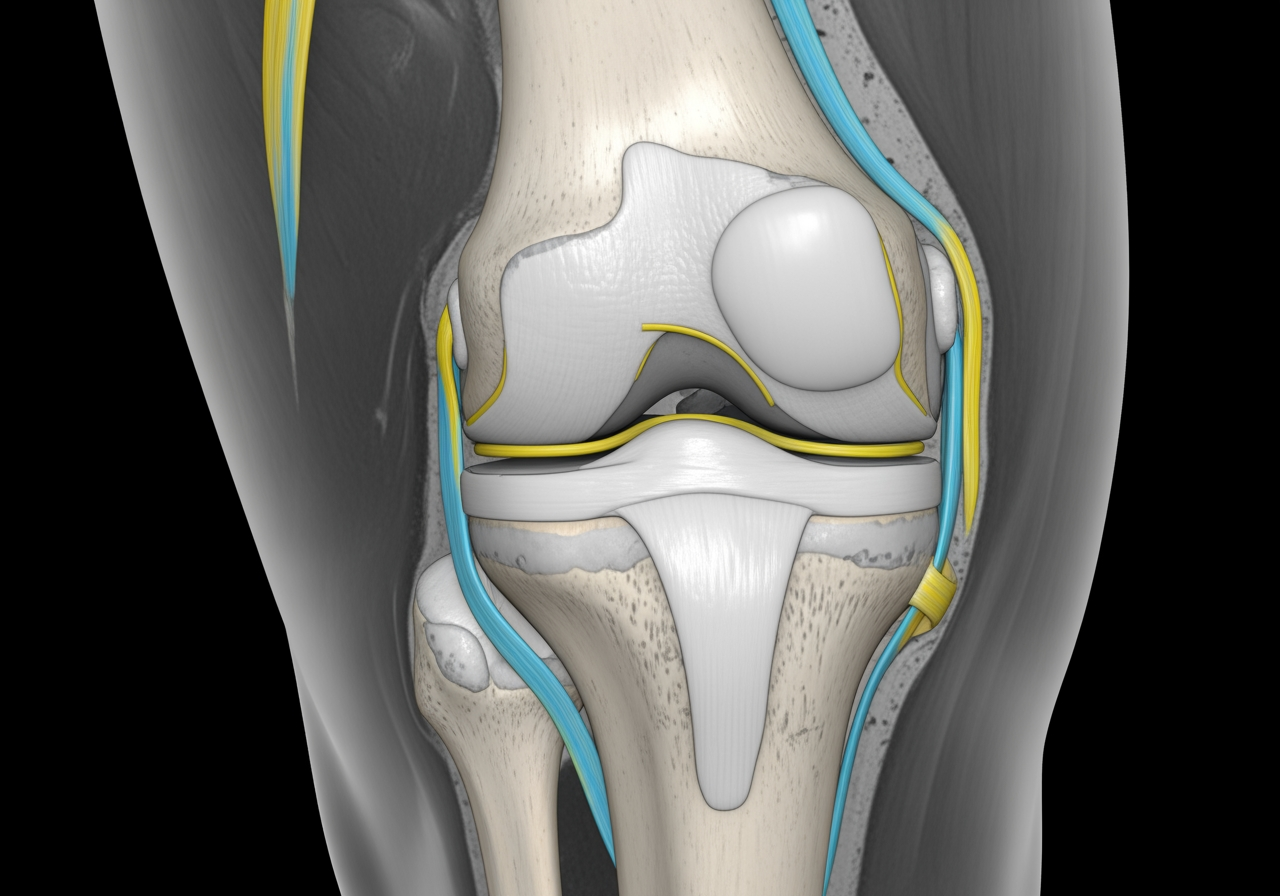
High-resolution Magnetic Resonance Imaging (MRI) and 3D Computed Tomography (CT) scanning are at the forefront of this diagnostic revolution. These technologies provide intricate cross-sectional images of bones, soft tissues, ligaments, and cartilage, revealing subtle injuries or degenerative changes that might be missed by conventional X-rays. For conditions affecting the spine and lower extremities, weight-bearing imaging offers invaluable insights by capturing the affected structures under natural load, mimicking the stresses experienced during daily activities.
Diagnostic musculoskeletal ultrasound is another powerful non-surgical tool. It allows real-time visualization of muscles, tendons, ligaments, and joints, enabling dynamic movement assessment and immediate identification of inflammation, tears, or fluid collections. This can be particularly useful for guiding injections with extreme precision, ensuring medication reaches the exact target area.
Beyond imaging, electrographic tests such as Electrocardiography (ECG) and Electroencephalography (EEG) serve as non-surgical diagnostic tools, though primarily for cardiac and neurological conditions, respectively. While less direct for orthopedic issues, they can rule out systemic causes of symptoms that might mimic musculoskeletal pain. Angiograms, which visualize blood vessels, are also diagnostic procedures that can identify vascular issues contributing to pain or dysfunction, though they involve the injection of a contrast dye. Endoscopic procedures, such as arthroscopy for joints or colonoscopy for the digestive tract, can serve both diagnostic and therapeutic purposes. They involve inserting a thin, flexible tube with a camera to visually inspect internal structures, take tissue samples (biopsies), or even perform minimally invasive repairs.
Motion analysis technology further improves our diagnostic capabilities. By analyzing a patient’s gait and movement patterns, specialists can identify biomechanical inefficiencies or compensatory movements that contribute to pain or injury, guiding corrective exercises and therapies. The ability to achieve early, accurate diagnoses empowers us to intervene with non-surgical strategies before conditions escalate, often preventing the need for more invasive procedures down the line.
A Spectrum of Modern Orthopedic Treatments
With precise diagnostic information in hand, we can now offer a broad spectrum of modern orthopedic treatments. These personalized treatment plans often involve combining various therapies, all with a strong focus on restoring function and improving quality of life. The goal is to address the root cause of the problem, not just the symptoms, and to empower the body’s natural healing processes.
The Rise of Regenerative Medicine
Regenerative medicine serves as a guide to innovation in non-surgical orthopedics, leveraging the body’s innate ability to heal and repair itself. These treatments aim to stimulate natural healing, reduce inflammation, and promote tissue regeneration, offering hope for conditions previously thought to require surgical intervention.
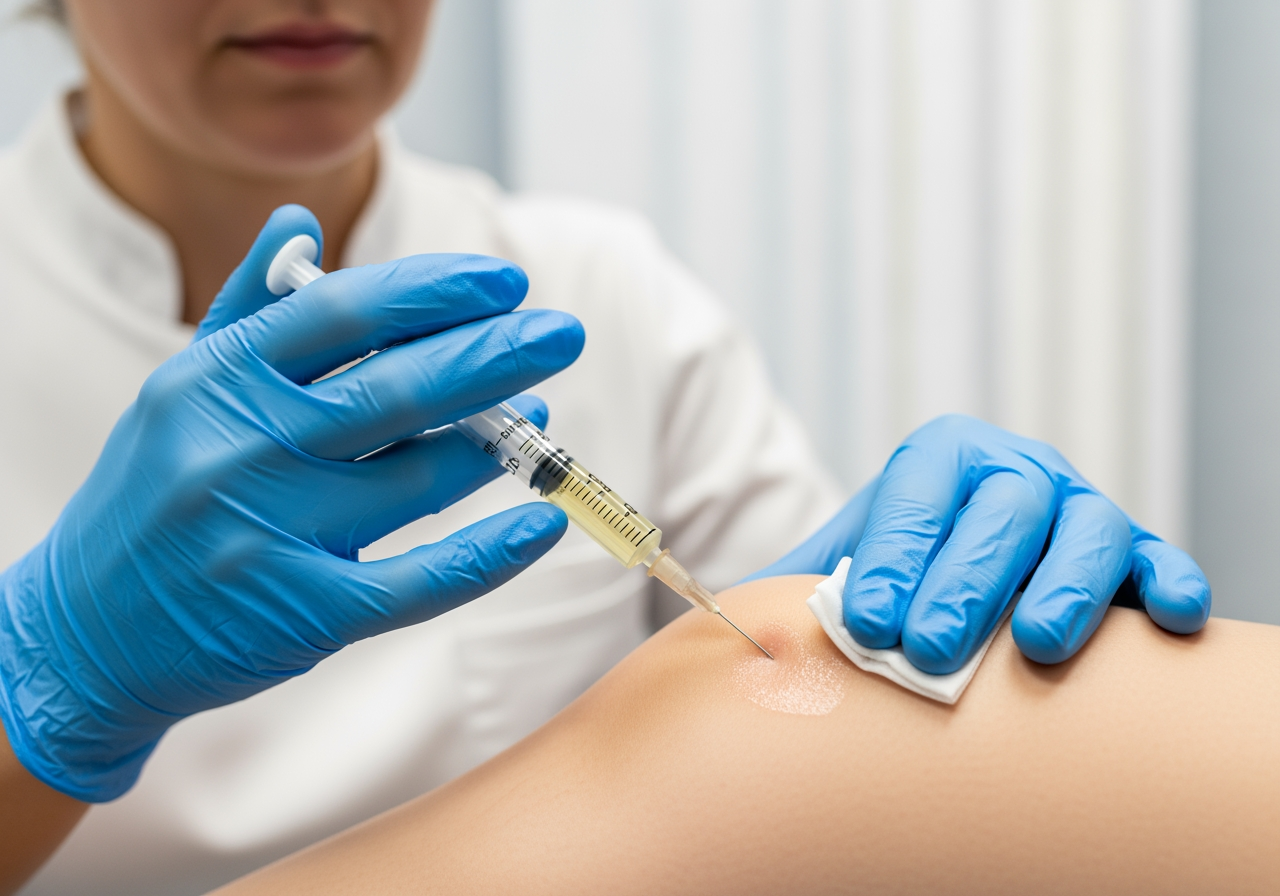
One of the most prominent regenerative therapies is Platelet-Rich Plasma (PRP) therapy. This involves drawing a small sample of the patient’s blood, processing it to concentrate the platelets, and then injecting the PRP into the injured area. Platelets are rich in growth factors that can accelerate tissue repair and regeneration, making PRP a valuable option for chronic tendinopathies, ligament injuries, and even mild to moderate arthritis. Similarly, viscosupplementation involves injecting hyaluronic acid into arthritic joints, particularly the knee. This naturally occurring substance, found in healthy joint fluid, acts as a lubricant and shock absorber, helping reduce pain and improve joint function and offering significant arthritis pain relief.
Beyond PRP, various types of injections play a crucial role in non-surgical management. These include targeted knee, shoulder, and hip injections that deliver anti-inflammatory medications, local anesthetics, or regenerative substances directly to the site of pain or injury. This precision allows for immediate symptom relief and creates a window for physical therapy and rehabilitation to be more effective. These methods offer a less invasive alternative to surgery for many patients, especially those with mild to moderate conditions or those who wish to delay or avoid surgery altogether.
Innovations in Modern Orthopedic Treatments
The continuous evolution of technology has brought forth a host of innovative non-surgical, minimally invasive orthopedic treatments. These procedures offer targeted relief and functional improvement, often with minimal downtime.
Ultrasound-guided injections, for instance, have revolutionized the precision of therapeutic injections. By using real-time ultrasound imaging, specialists can visualize the needle’s path and ensure accurate delivery of medication to the exact anatomical target, whether it’s a joint, tendon, or nerve. This significantly improves the safety and effectiveness of procedures such as ultrasound-guided shoulder and hip injections, reducing the risk of complications and improving patient outcomes. This precision is particularly beneficial for conditions like arthritis, where accurate medication placement can make a substantial difference in pain relief and mobility.
For chronic pain conditions, radiofrequency ablation (RFA) offers a promising non-surgical solution. This procedure uses heat generated by radio waves to target and “turn off” specific nerves that transmit pain signals. RFA is commonly used for chronic back pain, neck pain, and certain types of joint pain, providing long-lasting relief without the need for surgery.
Advanced bracing techniques have also seen significant improvements. For conditions like scoliosis, modern braces are custom-fitted, lighter, and more discreet than their predecessors. Bracing offers a minimally invasive way to correct idiopathic scoliosis and other forms of the condition, especially in adolescents, helping prevent the spinal curvature from worsening. About 2-3% of Americans have scoliosis, with most patients becoming symptomatic between 10 and 15 years old. Early intervention with bracing can often prevent the need for more invasive treatments.
Rehabilitation procedures, often referred to as allied health treatments, are indispensable components of non-surgical care. Physiotherapy, occupational therapy, speech pathology, and dietetics all contribute to restoring physical function. Physical therapists guide patients through exercises to improve strength, flexibility, balance, and range of motion, crucial for recovery from injuries and managing chronic conditions. These comprehensive approaches underscore our commitment to holistic patient care.
The Cutting Edge of Modern Orthopedic Treatments
While the focus of this guide is on non-surgical options, it’s important to acknowledge how cutting-edge technologies are also changing the landscape of minimally invasive surgical interventions, making them less impactful and aligning with the broader goal of faster recovery and reduced patient burden. These advancements often serve as a bridge when non-surgical methods have been exhausted or are not suitable.
Robotic-assisted joint replacement, for example, uses advanced robotics to improve the precision and accuracy of implant placement during knee or hip replacement surgeries. While still surgical, the robotic assistance allows for smaller incisions and more custom procedures, potentially leading to faster recovery and improved long-term outcomes compared to traditional open surgery. Similarly, computer-guided surgery and 3D-printed custom implants enable highly personalized, precise interventions, reducing invasiveness and improving the fit of surgical components.
Minimally invasive spine surgery (MISS) techniques have significantly reduced the trauma associated with spinal procedures. By using specialized instruments and small incisions, surgeons can address issues like herniated discs, spinal stenosis, and instability with less muscle disruption, less blood loss, and quicker recovery times than traditional open spine surgery.
One example of a minimally invasive surgical procedure for vertebral fractures is kyphoplasty. Kyphoplasty is a type of surgical procedure performed to treat vertebrae that have collapsed or been injured, often due to osteoporosis or cancer. It involves making a small incision, inserting a surgical balloon to lift the fractured vertebrae, and then injecting a bone cement-like material (polymethylmethacrylate or PMMA) into the cavity. This material hardens to stabilize the fractured bone and restore vertebral height. Kyphoplasty is highly effective at addressing pain related to spinal fractures, especially when performed within two months of the fracture, offering a less invasive alternative to more extensive spinal surgeries.
These cutting-edge techniques, while some are still surgical, represent a significant leap forward in reducing the overall impact on the patient, aligning with the spirit of minimizing invasiveness and optimizing recovery.
Patient-Centric Care: Navigating Your Treatment Journey
In modern orthopedic care, the patient is always at the center. Our approach emphasizes shared decision-making, ensuring that your values, lifestyle, and goals are integral to developing your treatment plan. Navigating your treatment journey effectively requires understanding your options and actively participating in decisions about your health.
The importance of choosing a qualified specialist cannot be overstated. When considering any non-surgical treatment, it’s crucial to seek out providers with extensive experience and specialized training in the specific procedures you are exploring. For instance, for cosmetic procedures like injectables or skin resurfacing (which fall under the broader umbrella of non-surgical options but are outside our orthopedic focus), you would seek a board-certified dermatologist or plastic surgeon. For orthopedic conditions, look for an orthopedic specialist who is well-versed in both conservative and advanced non-surgical techniques. Always verify credentials and ensure the provider operates in a safe, accredited environment.
Physical rehabilitation plays a vital role in nearly all non-surgical orthopedic treatment plans. Whether it’s post-injection exercises, bracing protocols, or recovery from a minimally invasive procedure, dedicated physical therapy is often the key to maximizing outcomes, restoring strength, flexibility, and function, and preventing re-injury.
Setting realistic expectations is also paramount. While non-surgical treatments offer significant benefits, they may not always provide the same dramatic results as extensive surgery, nor are they a universal cure. It’s essential to have an open and honest discussion with your doctor about the potential benefits, risks, and expected outcomes of any recommended procedure. Understanding the typical recovery time associated with various non-surgical procedures is also critical, as it can range from an immediate return to activity with some injections to several weeks of restricted activity with more involved treatments.
We encourage patients to engage fully in their care. Here is a list of questions we recommend asking your orthopedic specialist before undergoing any non-surgical procedure:
- What is my diagnosis, and what are all the available treatment options, both surgical and non-surgical?
- What are the specific benefits and risks associated with this non-surgical procedure?
- What is the expected recovery time, and which activities should I avoid?
- How many sessions will I need, and how long do the results typically last?
- What are the potential side effects, and how are they managed?
- What are the costs involved, and is this procedure covered by insurance?
- What should I do if the non-surgical treatment doesn’t provide the expected relief?
- Are there any alternative non-surgical options I should consider?
By asking these questions, you empower yourself to make informed decisions and partner effectively with your healthcare team.
Frequently Asked Questions about Modern Orthopedic Treatments
Patients often have many questions when considering non-surgical options. Here, we address some of the most common inquiries to provide clarity and guidance.
Are non-surgical treatments as effective as surgery?
The effectiveness of non-surgical treatments versus surgery is highly condition-dependent and varies significantly based on the severity of the injury, the patient’s overall health, and their personal goals. For many mild-to-moderate conditions, non-surgical approaches are highly effective at alleviating pain, restoring function, and improving quality of life. For instance, physical therapy and targeted injections can often resolve conditions such as tendonitis, bursitis, or early-stage arthritis.
Our philosophy often involves a conservative-first approach, meaning we explore non-surgical options thoroughly before considering surgery. This strategy aims to delay or even avoid surgery whenever possible. However, for severe injuries, advanced degenerative conditions, or cases where non-surgical methods have failed, surgery may be the most appropriate and effective solution. The key is a thorough evaluation by a specialist to determine the best course of action for your unique situation.
Who is a good candidate for regenerative medicine?
Good candidates for regenerative medicine therapies like Platelet-Rich Plasma (PRP) or viscosupplementation typically include individuals with:
- Mild to moderate arthritis: Especially in joints like the knee, shoulder, or hip, where the goal is to reduce pain, improve function, and potentially slow down cartilage degeneration.
- Chronic tendinopathies, Such as tennis elbow, Achilles tendinitis, or rotator cuff tendinopathy, where traditional treatments haven’t provided lasting relief.
- Ligament injuries: Particularly partial tears of ligaments in the knee (e.g., MCL) or ankle.
- Patients seeking alternatives to steroid injections: Those who may be looking for a more natural approach to healing or have had limited success with steroids.
Regenerative medicine is not a cure-all. It may not be suitable for severe arthritis with significant cartilage loss, complete tendon or ligament ruptures, or certain systemic conditions. A comprehensive consultation with an orthopedic specialist is crucial to determine if you are a suitable candidate and to set realistic expectations for the outcomes.
What is the typical recovery time for minimally invasive orthopedic surgery?
Recovery time for minimally invasive orthopedic surgery varies significantly depending on the procedure, the patient’s health, and adherence to rehabilitation protocols. However, a major advantage of these techniques is that recovery is typically significantly shorter than for traditional open surgery.
For example, a minimally invasive knee arthroscopy for meniscus repair might have a recovery period of a few weeks to a couple of months, allowing a much faster return to activity than open knee surgery. Similarly, minimally invasive spine surgery often results in reduced hospital stays and a quicker return to daily routines, sometimes within weeks rather than months. While pain management and physical therapy are still essential, the reduced tissue trauma means less post-operative pain and a more accelerated rehabilitation process. Patients can often resume light activities much sooner, although full recovery and return to strenuous activities will still require time and dedication to a prescribed physical therapy regimen.
Conclusion
The future of mobility is here, driven by remarkable innovations in modern orthopedic care. We’ve journeyed through the evolution of treatment, witnessing a profound shift towards non-surgical and minimally invasive options that prioritize patient well-being, faster recovery, and reduced risk. From advanced diagnostic tools that offer unparalleled insights into the body’s mechanics to the exciting frontier of regenerative medicine and precision-guided therapies, the possibilities for restoring function and alleviating pain are more expansive than ever before.
These advancements empower us to deliver personalized, patient-centric care, enabling individuals to maintain active, fulfilling lives. The focus remains steadfast on enhancing mobility and overall wellness, utilizing the most effective and least invasive methods available. As technology continues to evolve, we anticipate even greater breakthroughs, further solidifying the role of non-surgical options as a cornerstone of orthopedic treatment. The journey towards a pain-free, active life is now more accessible and achievable than ever, promising a brighter future for all seeking to move with ease and confidence.

The Editorial Team at Healthcare Business Today is made up of experienced healthcare writers and editors, led by managing editor Daniel Casciato, who has over 25 years of experience in healthcare journalism. Since 1998, our team has delivered trusted, high-quality health and wellness content across numerous platforms.
Disclaimer: The content on this site is for general informational purposes only and is not intended as medical, legal, or financial advice. No content published here should be construed as a substitute for professional advice, diagnosis, or treatment. Always consult with a qualified healthcare or legal professional regarding your specific needs.
See our full disclaimer for more details.