
Table of Contents
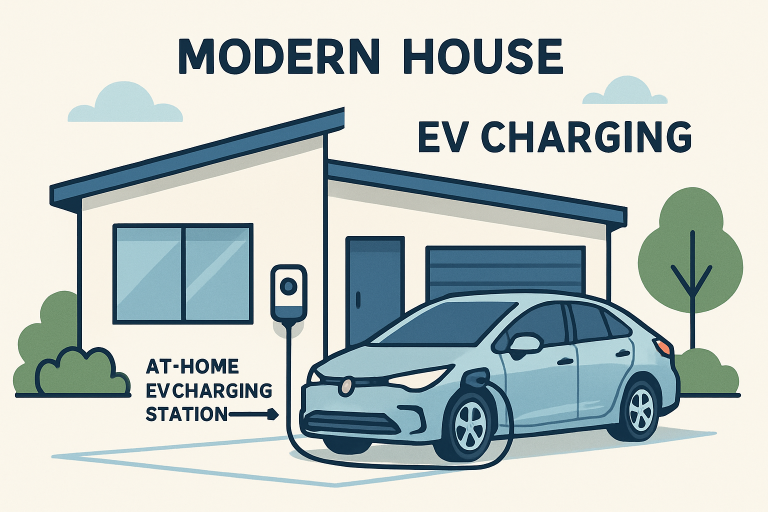
As electric vehicles (EVs) gain mainstream acceptance and become an increasingly significant part of the transportation landscape, the need to develop efficient and convenient home charging solutions has never been more critical. Not only does home charging enable EV owners to manage their vehicles’ battery life with ease, but it also offers a sense of freedom and control that fuels the entire EV ownership experience. With the ability to charge overnight or refuel their vehicles overnight, they can conveniently charge up to a full battery each morning, minimizing trips to public charging stations. However, the transition to home charging presents unique opportunities and challenges for both the renewable energy and utility sectors. Choosing the right provider for EV home charger installation near you is increasingly recognized as a pivotal step toward creating an effective, hassle-free charging experience tailored to each household’s needs.
Since most charging sessions take place at home, reliable and accessible charging infrastructure is now a decisive factor influencing consumers’ decisions to go electric. The growing trend toward home charging is driven by its sheer convenience, but as technology evolves and electricity prices fluctuate, more households are seeking out smart, future-proof solutions. These systems aim to deliver not just basic vehicle charging but also more sophisticated features such as load management, integrated safety, and remote access. As the EV landscape accelerates and more automakers introduce new models, the demand for secure, adaptable, and intelligent residential charging options continues to rise at an unprecedented pace.
Current State of Home EV Charging
Today, home charging is one of the biggest appeals for EV owners. In fact, over 80% of all EV charging occurs at home, according to industry data, a testament to the unmatched convenience of residential charging. The option for overnight charging enables EV drivers to use their vehicles without worrying about lengthy detours to public chargers or disrupted trips. This trend is expected to continue as it allows drivers to conveniently refuel their vehicles overnight or whenever their schedule allows, maximizing both flexibility and efficiency. However, even as home charging becomes more popular, the satisfaction it offers is tempered by growing concerns about rising electricity costs and fluctuating utility rates. As rates climb and local regulations shift, more homeowners are carefully evaluating the total cost of ownership for their EVs, weighing the convenience of home charging against the impact on their monthly utility bills. Some drivers are turning to time-of-use pricing and energy management solutions to offset costs and find new savings.
Advancements in Charging Technology
Innovation is rapidly transforming the residential charging landscape, making it more advanced and accessible than ever. Home chargers are not only becoming more powerful, supporting faster charging speeds and greater efficiency, but are also improving in terms of durability, connectivity, and user-friendliness. A notable example in the evolution of home charging technology is the upcoming second-generation Chevrolet Bolt, expected to offer charging rates up to 150 kW and reduce charging time to just under half an hour for an 80% fill. These improvements, once the sole domain of commercial charging stations, are now being introduced into home charging units, making electric vehicles more practical for a wider range of people, including those who drive long distances and need quick turnaround times. In addition to charging speed, manufacturers are focusing on the design and ergonomic integration of chargers into home environments, ensuring they are not just functional but also aesthetically compatible with modern architecture. As a result, the reliability, speed, and ease of use of new home chargers continue to attract more consumers to the EV market.
Integration with Smart Home Systems
The future of home charging is closely connected to the rise of smart homes and digital automation. Today’s home charging stations are increasingly capable of integrating with smart home systems, giving users unprecedented control over when and how their EVs are charged. This connection allows homeowners to schedule charging sessions for off-peak electricity hours, reducing their costs by taking advantage of lower nighttime rates, and to access real-time monitoring of their vehicle’s charging status through dedicated apps. Some smart chargers can even communicate with other home devices, adjusting their energy draw to coordinate with overall household consumption and avoid overloading circuits. This level of smart optimization benefits not only individual homeowners, who can maximize their energy savings, but also utilities by smoothing grid demand and minimizing stress during high-usage periods. As the ecosystem of connected devices expands, expect to see even more seamless integration between EV chargers and the broader array of home automation tools, creating a more responsive and efficient living environment.
Bidirectional Charging and Energy Management
Bidirectional charging technology, also known as vehicle-to-home (V2H) or vehicle-to-grid (V2G), is poised to revolutionize how EVs interact with both homes and utility power grids. Unlike traditional chargers, bidirectional systems enable EV batteries to not only draw power but also discharge energy back into a residence or even into the local grid. This enables electric vehicles to serve as backup generators during outages or emergencies, providing power to homes when it’s most needed. On a larger scale, when coordinated with the grid, bidirectional EVs can help balance supply and demand across communities, potentially reducing brownouts or blackouts. Recent research and real-world pilot programs have demonstrated that widespread adoption of bidirectional charging could significantly improve overall grid stability while also offering financial incentives to participating households. As more automakers embrace this technology, homeowners may soon be able to sell stored energy from their EV batteries back to the grid or store surplus solar power generated during the day.
Addressing Infrastructure Challenges
The rapid increase in home EV ownership is putting unprecedented pressure on local electrical infrastructure and raising the need for upgrades at both the individual and community levels. Modern Level 2 charging stations, which are fast becoming the standard for residential charging, require higher-capacity electrical circuits than are present in many existing homes. As a result, homeowners often need to upgrade electrical panels, add dedicated circuits, or rewire portions of their homes to support powerful chargers safely. While these upgrades can represent a significant upfront investment, they also offer long-term benefits by increasing a home’s value and making it ready for future advances in charging technology. In addition, neighborhoods and cities must work in tandem with utilities to support collective upgrades to transformers, distribution lines, and substations, ensuring the rising demand doesn’t result in localized outages or decreased reliability.
Security Considerations
With a growing number of home chargers now connected to the internet, local networks, and other smart devices, cybersecurity has emerged as a critical concern in the adoption of residential charging solutions. Connected chargers process and transmit sensitive information about vehicle habits, energy usage, access times, and payment data. Protecting these systems from potential cyberattacks requires a multi-layered approach: secure authentication for user access, encryption of data at rest and in transit, routine security updates, and robust firewalls must all be in place. Homeowners should also consider regularly updating passwords, avoiding default settings, and keeping chargers and smart home devices on secure, segmented networks. As the sophistication of cyber threats grows, charger manufacturers and consumers alike will need to remain proactive in protecting their systems and personal data.
Future Trends and Innovations
Looking forward, home EV charging is likely to undergo even more rapid evolution, transforming how we power our vehicles and interact with our homes. Charging stations are expected to continue advancing in speed, efficiency, and compatibility, with future versions enabling seamless use with virtually any new or legacy vehicle. There is significant momentum behind integrating solar panels and home energy storage systems, enabling homeowners to generate and store renewable energy that can power both the house and the vehicle. Enhanced management software will soon provide even deeper insights and control over energy use, including optimizing charging for the cleanest or cheapest available power. In response to both consumer and government demands for cleaner transportation, additional incentives, rebates, and stricter building codes may further guide the integration of charging solutions into new construction and renovations, positioning home chargers as essential components in tomorrow’s connected, energy-smart households.
Conclusion
The future of electric vehicle charging at home promises remarkable progress in efficiency, security, and ease of use. As ongoing advancements in technology and infrastructure reshape the way we charge our vehicles, home charging will become an essential pillar of the broader EV revolution. Homeowners who invest in modern, smart charging solutions position themselves for maximum convenience, cost savings, and peace of mind, while contributing to the adoption of cleaner transportation and a more resilient energy system. Whether you’re a longtime EV enthusiast or just starting to explore the benefits, now is the perfect time to consider how cutting-edge home charging technology can fit seamlessly into your everyday life and support a sustainable future for all.

The Editorial Team at Healthcare Business Today is made up of experienced healthcare writers and editors, led by managing editor Daniel Casciato, who has over 25 years of experience in healthcare journalism. Since 1998, our team has delivered trusted, high-quality health and wellness content across numerous platforms.
Disclaimer: The content on this site is for general informational purposes only and is not intended as medical, legal, or financial advice. No content published here should be construed as a substitute for professional advice, diagnosis, or treatment. Always consult with a qualified healthcare or legal professional regarding your specific needs.
See our full disclaimer for more details.


