The Rise of Mobile IV Therapy in Modern Wellness
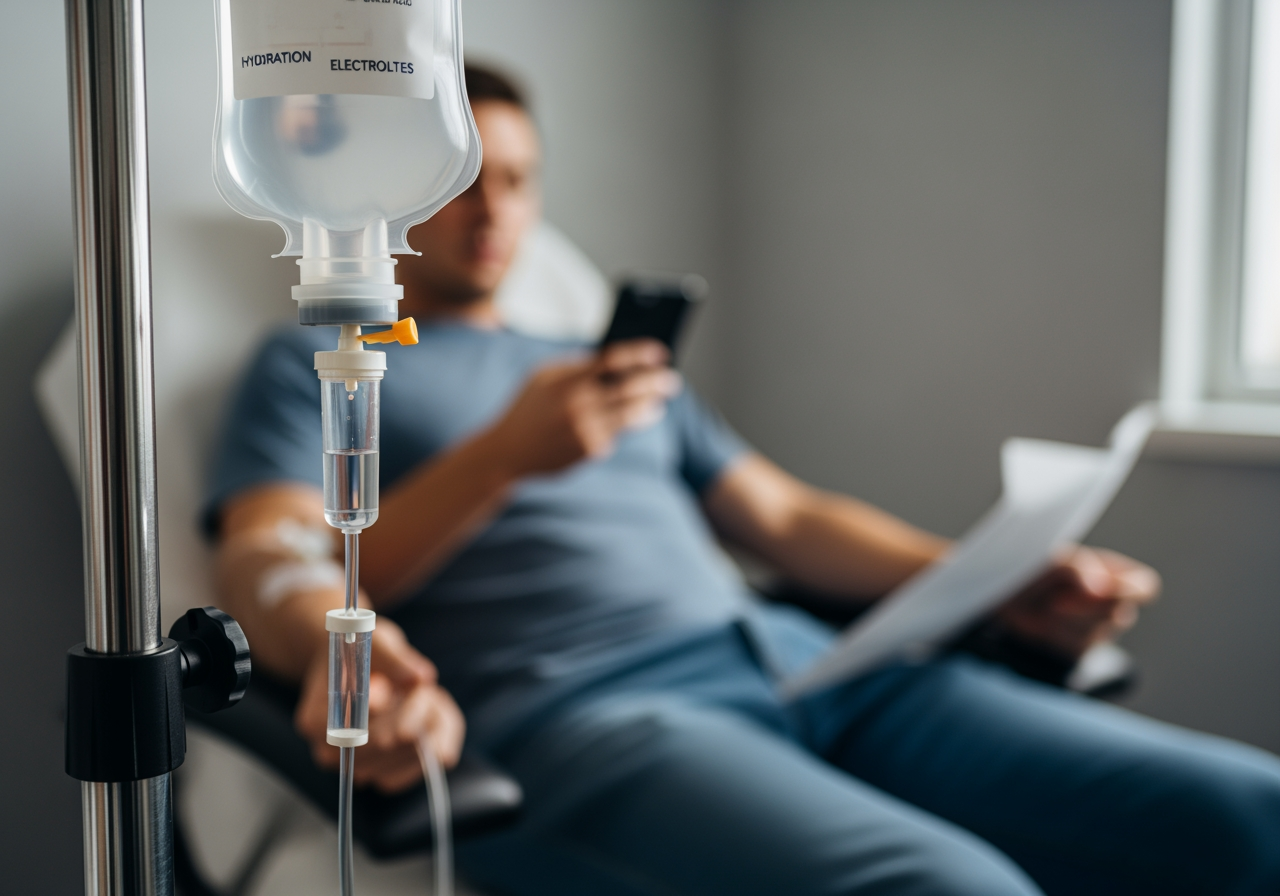 We constantly seek faster, easier ways to manage our lives. This push for on-demand solutions now extends to our health and wellness. A growing trend in this space is the hangover IV drip. Many people want quick relief after a night out. But do these IV drips actually work? Are they a safe and effective solution?
In this guide, we will dive deep into IV drips for hangovers. We will explain what they are, what they typically contain, and how they aim to tackle hangover symptoms. We will also explore the potential benefits, risks, and the scientific evidence supporting their use. Understanding these details is key for anyone considering an NP-approved mobile hangover IV or similar on-demand wellness services.
The landscape of healthcare is undergoing a significant transformation, moving towards more accessible, convenient, and patient-centric models. This shift is particularly evident in the burgeoning field of mobile healthcare services, where wellness treatments are delivered directly to individuals in their homes, offices, or even hotels. Mobile IV therapy stands out as a prime example of this evolution, offering a novel approach to hydration and nutrient delivery outside traditional clinical settings.
This trend aligns perfectly with the demands of our society, where time is a precious commodity. The convenience of having a healthcare professional arrive at your door, often within an hour in most cases, eliminates the need for travel, waiting rooms, and disruptions to daily routines. It’s a bespoke approach to wellness that prioritizes individual needs and comfort. From busy professionals seeking an energy boost to athletes looking for rapid recovery, mobile IV services cater to a diverse clientele.
The core appeal of mobile IV therapy lies in its promise of rapid rehydration and nutrient replenishment. While initially gaining traction for general wellness and athletic recovery, its application for alleviating hangover symptoms has propelled it into the spotlight. These services typically offer a range of formulations, often tailored to specific needs. Common wellness IV applications include:
- Energy Boost: Infusions designed to combat fatigue and enhance vitality.
- Immunity Support: Formulations rich in vitamins and antioxidants to strengthen the body’s defenses.
- Athletic Recovery: Drips are designed to rehydrate and replenish electrolytes after intense physical activity.
- Beauty & Anti-Aging: Nutrients targeting skin health, hair, and overall cellular rejuvenation.
- General Wellness: Basic hydration and vitamin blends for overall well-being.
- Hangover Relief: Specialized drips designed to mitigate the unpleasant effects of excessive alcohol consumption.
This personalized approach to health and wellness is reshaping how we think about preventative care and symptom management. As we embrace the on-demand economy, mobile IV therapy represents a significant step towards integrating healthcare more deeply into our daily lives.
The Mechanics of Mobile IV Therapy for Recovery
At the heart of mobile IV therapy is the intravenous delivery system, which offers a distinct advantage over oral consumption: 100% absorption. When fluids, electrolytes, and nutrients are administered directly into the bloodstream, they bypass the digestive system entirely. This means there’s no loss of potency due to stomach acid or incomplete gut absorption, ensuring maximum bioavailability and immediate uptake by the body’s cells.
For individuals experiencing a hangover, this mechanism is particularly appealing. Hangovers are often characterized by severe dehydration, electrolyte imbalances, and nutrient depletion, which can be exacerbated by an irritated stomach lining that struggles to absorb oral fluids and medications. By delivering a saline solution, often enriched with a precise blend of electrolytes, vitamins, and medications, directly into the veins, IV therapy can achieve rapid rehydration and replenishment. This direct approach is claimed to reverse damage in under 2 hours, offering quicker relief than traditional oral remedies.
While IV drips deliver fluids, electrolytes, and vitamins directly into the bloodstream, there’s little scientific evidence that they cure hangovers. However, they may help alleviate some side effects of drinking alcohol, such as dehydration and body aches, by providing fluids and nutrients that might be difficult to retain orally. This rapid delivery system is a key differentiator, promising faster symptom relief than oral intake due to its faster absorption. For a deeper understanding of how IV hydration works, especially for conditions like dehydration, you can explore resources on IV Treatment for Dehydration.
Safety Protocols in Mobile IV Therapy
While the convenience and rapid effects of mobile IV therapy are attractive, safety must always be the paramount concern. Reputable mobile IV services operate under stringent medical protocols to ensure patient well-being. This typically involves a team of licensed and experienced healthcare professionals, primarily Registered Nurses (RNs) and Nurse Practitioners (NPs), who are trained in intravenous access and emergency procedures.
Before any treatment is administered, a thorough medical screening process is essential. This often includes a review of the client’s medical history and current medications, along with a brief physical assessment to identify any contraindications or potential risks. For instance, individuals with certain pre-existing conditions, such as heart or kidney problems, may not be suitable candidates for IV therapy due to the risk of fluid overload or electrolyte imbalances.
Maintaining sterile technique during IV insertion and throughout the infusion is critical to prevent infections. All equipment used should be single-use and disposable. During the session, the administering nurse monitors the client’s vital signs and observes for any adverse reactions, ensuring a safe and comfortable experience. While minor side effects like discomfort at the injection site or bruising can occur, serious complications are rare when administered by qualified professionals. However, it’s crucial for consumers to be aware of the risks and choose providers that prioritize patient safety and adhere to strict medical guidelines. The presence of an NP-approved mobile hangover IV service, for example, signals a commitment to professional oversight and individualized care.
The Physiology of Hangovers and IV Intervention
To understand how an IV drip might help with a hangover, we first need to grasp the complex physiological processes that cause those dreaded morning-after symptoms. A hangover is not just one symptom but a constellation of unpleasant effects resulting from excessive alcohol consumption.
One of the primary culprits is dehydration. Alcohol acts as a diuretic, meaning it increases urine production. This occurs because alcohol inhibits the release of vasopressin, also known as the antidiuretic hormone (ADH), which normally helps your body retain water. It is estimated that every alcoholic beverage produces twice its volume in urine. This excessive fluid loss leads to dehydration, which can manifest as thirst, headache, fatigue, and dizziness. Common hangover symptoms like headache, muscle aches, and nausea are often blamed on dehydration and electrolyte imbalances.
Beyond dehydration, alcohol metabolism plays a significant role. Our liver breaks down alcohol into acetaldehyde, a highly toxic compound that contributes to inflammation and cellular damage throughout the body. This toxic byproduct is responsible for many hangover symptoms, including nausea, vomiting, and sweating. Furthermore, alcohol can irritate the lining of your stomach and increase acid production, leading to hangover-related nausea and stomach pain.
IV drips aim to address these physiological disruptions directly. By delivering fluids intravenously, they can rapidly correct dehydration and restore electrolyte balance, which is crucial because dehydration can worsen certain hangover symptoms, such as headache, thirst, and fatigue. While oral rehydration is often sufficient, an IV drip can be beneficial when nausea and vomiting prevent effective oral fluid intake. Many mobile IV services offer an NP-approved mobile hangover IV specifically designed to target these issues.
Here’s a simplified comparison of oral versus IV hydration efficacy for hangovers:
Feature Oral Hydration (e.g., water, sports drinks) IV Hydration (e.g., hangover IV drip) Absorption Variable, depends on digestive function; can be slow if stomach is irritated. 100% direct absorption into bloodstream, bypassing digestive system. Speed Slower onset of relief as fluids must be digested and absorbed. Rapid onset of relief as fluids and nutrients are immediately available. Tolerance Difficult if experiencing severe nausea or vomiting. Effective even with severe nausea, as it bypasses the stomach. Components Limited to what can be consumed orally; may not include medications. Can include a precise mix of fluids, electrolytes, vitamins, and medications. Cost Generally very low. Significantly higher due to medical service and specialized ingredients. Scientific Backing Proven effective for rehydration. Limited scientific evidence for “curing” hangovers, but may relieve symptoms. For those interested in exploring different approaches to post-drinking recovery, our guide on IV Treatment for Hangovers offers additional insights.
Targeted Ingredients for Symptom Relief
Hangover IV drips are typically formulated with a combination of ingredients designed to combat the various symptoms of a hangover. These blends often go beyond simple hydration to include vitamins, minerals, and sometimes medications.
Here are some common components and their intended benefits:
- B-Complex Vitamins: Alcohol depletes B vitamins, which are crucial for energy metabolism and nerve function. B-complex infusions (including B1, B2, B3, B5, B6) aim to replenish these, helping to restore energy levels and support cognitive function.
- Vitamin B12 (Methylcobalamin): Often included for its role in energy production, red blood cell formation, and neurological health, B12 can help combat the fatigue and mental fog associated with hangovers.
- Magnesium: Alcohol acts as a diuretic, leading to magnesium loss. This mineral is vital for muscle and nerve function, blood sugar control, and blood pressure regulation. Replenishing magnesium can help alleviate muscle aches, headaches, and anxiety.
- Glutathione: A powerful antioxidant naturally produced by the liver, glutathione plays a key role in detoxifying harmful substances, including acetaldehyde. Supplementing glutathione is thought to support the liver’s detoxification process and reduce oxidative stress.
- Toradol (Ketorolac): This is a nonsteroidal anti-inflammatory drug (NSAID) often included to provide fast-acting relief for headaches and body aches. However, it’s worth noting that over-the-counter (OTC) pain relievers likely work just as well for hangover symptoms, and there isn’t extensive research on using IV forms specifically for hangovers.
- Zofran (Ondansetron): An anti-nausea medication, Zofran can be highly effective in relieving the stomach upset and vomiting common with hangovers, making it easier for individuals to rehydrate orally post-treatment.
- Vitamin C (Ascorbic Acid): A potent antioxidant, Vitamin C supports immune function and helps combat oxidative stress caused by alcohol.
- Zinc: This mineral plays a role in immune function and alcohol metabolism. Its inclusion is intended to support the body’s recovery processes.
While these ingredients are individually beneficial, the efficacy of their combination in an IV drip specifically for hangovers, especially compared to oral alternatives, is a subject of ongoing discussion in the medical community. For instance, IV antacids like ranitidine are used in hospital settings for excess stomach acid, but OTC antacid medications taken by mouth often work just as well for hangover-related nausea and abdominal pain.
Evaluating Efficacy: Marketing vs. Medical Reality
The popularity of hangover IV drips is undeniable, fueled by compelling marketing claims that promise a quick “cure” for the morning-after misery. Services often highlight rapid symptom reversal, sometimes claimed to reverse damage in under 2 hours, with a typical session lasting 30-45 minutes. However, a critical look at the scientific evidence reveals a more nuanced picture, often contrasting sharply with the marketing narrative.
Medical experts generally agree that there is no scientific evidence that IV drips can cure hangovers. The only way to truly prevent a hangover is through moderation or abstinence from alcohol. While IV drips may help relieve some of the side effects of drinking alcohol, like dehydration and body aches, their role is primarily in symptom management rather than a definitive cure. Recent research even suggests that there may not be a strong link between how severe your hangover is and any imbalances you may have in electrolytes, glucose, or hormones, challenging a common belief that IV drips directly correct these imbalances.
The distinction between marketing claims and medical advice is crucial here. Many IV clinics and medical spas promote their services with enthusiastic testimonials and promises of immediate relief. However, unlike prescription medications or medical devices, the specific formulations and medications in IV drips offered at these facilities aren’t regulated by the FDA. This means there’s no guarantee of the strength, purity, or safety of what’s being administered.
Furthermore, some studies indicate that IV hydration after a night of drinking doesn’t improve symptoms of a hangover any better than drinking fluids (oral hydration) in most cases. While the rapid delivery bypassing the digestive system is a benefit, especially for those with severe nausea, it doesn’t necessarily translate to a faster or more complete recovery than simply drinking water or electrolyte solutions when possible. Our exploration into whether a “banana bag” is the ultimate hangover cure further delves into the scientific backing (or lack thereof) for such claims.
Medical professionals caution that while IV drips can be useful in specific clinical scenarios (e.g., severe dehydration where oral intake is impossible), their routine use for hangovers in a non-emergency setting is largely unsupported by robust scientific evidence. The perceived benefits might, in part, be attributed to the placebo effect or simply the natural course of hangover symptoms improving over time.
Therefore, while the allure of a quick fix is strong, we encourage individuals to approach hangover IV drips with a healthy dose of skepticism. It’s vital to prioritize responsible alcohol consumption and proven prevention strategies, understanding that IV therapy may offer symptomatic relief but should not be seen as a magic bullet or a license to drink excessively.
Frequently Asked Questions about Mobile IV Services
The rise of mobile IV therapy has naturally raised many questions about its practicality, safety, and suitability. Here, we address some of the most common inquiries to help you make informed decisions.
What is the typical cost and duration of a mobile IV session?
The cost of a hangover IV drip can vary significantly depending on the provider, geographic location, and the specific cocktail of ingredients included. Generally, prices range from $150 to $400 per session, or more. Basic hydration drips might be on the lower end, while specialized blends with multiple vitamins, antioxidants, and medications will be more expensive. Some providers also offer membership plans or package deals for multiple sessions. For specific pricing details, it’s always best to consult the provider’s IV Packages & Pricing or contact them directly.
Regarding duration, a typical hangover IV session usually takes between 30 and 45 minutes. This can vary slightly based on the volume of fluid being infused and the individual’s vein access. Mobile services pride themselves on efficiency, often promising to be at your door and complete the session within a reasonable timeframe, making it a convenient option for those with busy schedules. Many services offer easy online booking for their mobile IV treatments.
Who should avoid IV therapy, and what are the contraindications?
While generally considered safe for healthy individuals when administered by qualified professionals, IV therapy is not suitable for everyone. Certain medical conditions can make IV drips dangerous or contraindicated. Individuals with some heart and kidney problems, for example, may find it harder for their body to accommodate a sudden increase in fluid in the bloodstream, leading to serious complications.
We advise against IV therapy for those with:
- Congestive Heart Failure: Risk of fluid overload.
- Kidney Disease: Impaired ability to process excess fluids and electrolytes.
- Uncontrolled Hypertension: Fluid volume can exacerbate high blood pressure.
- Severe Edema (swelling): May indicate underlying fluid regulation issues.
- Known Allergies to any of the ingredients in the IV drip.
Pregnant or breastfeeding individuals should also consult their primary healthcare provider before considering IV therapy. It is crucial to disclose your full medical history to the administering healthcare professional during the initial screening to ensure the treatment is safe and appropriate for you.
When should someone seek emergency medical attention instead of an IV drip?
It’s vital to distinguish between a typical hangover and more serious conditions that require immediate medical attention. While hangovers can be miserable, they are generally not dangerous. However, certain symptoms warrant a trip to the emergency room or urgent care, not just an IV drip.
You should seek medical attention if you or a loved one experiences any of the following:
- Symptoms of Alcohol Poisoning: This is a medical emergency. Look for confusion, stupor, vomiting, seizures, slow or irregular breathing (less than 8 breaths per minute or 10 seconds between breaths), pale or bluish skin, low body temperature (hypothermia), or unconsciousness from which they cannot be roused. Understanding the dangers of alcohol overdose is critical.
- Severe or Persistent Vomiting: If you cannot keep any fluids down for several hours, you risk severe dehydration that might require more intensive medical intervention than a mobile IV can provide.
- Severe Headache or Head Injury: A headache that is unusually severe or accompanied by other neurological symptoms (e.g., vision changes, weakness, numbness), or if you suspect a head injury.
- Chest Pain or Shortness of Breath: These could indicate underlying cardiovascular issues exacerbated by alcohol.
- Prolonged Symptoms: If hangover symptoms last longer than 24 hours or worsen over time.
In these situations, an IV drip from a mobile service is not an appropriate substitute for professional medical assessment and treatment in a clinical setting. Always prioritize immediate medical care when serious symptoms arise.
Conclusion
The evolution of on-demand wellness and mobile healthcare services, including the popular hangover IV drip, reflects a growing desire for convenience and personalized care in our health routines. These services offer a unique approach to managing the unpleasant aftermath of excessive alcohol consumption, primarily through rapid rehydration and targeted nutrient delivery.
While the appeal of a quick fix is strong, it’s crucial to approach hangover IV drips with a balanced perspective. We’ve explored how these drips work, the ingredients they typically contain, and the physiological mechanisms of a hangover. We’ve also critically examined the scientific evidence, noting that while IV drips can help alleviate some symptoms, such as dehydration, they do not “cure” a hangover, and their efficacy often doesn’t surpass that of oral rehydration for most individuals. The distinction between marketing claims and medical reality is paramount, emphasizing the importance of informed consent and understanding the limitations.
The best way to prevent a hangover remains responsible alcohol consumption, proper hydration, and adequate rest. For those who do experience hangover symptoms and are considering an IV drip, choosing a reputable provider that adheres to strict safety protocols and employs licensed medical professionals is non-negotiable. Always disclose your full medical history and be aware of contraindications.
The future of mobile medicine is undoubtedly bright, offering innovative ways to deliver care and enhance wellness. However, as with any medical intervention, understanding the science, weighing the benefits against the risks, and prioritizing professional oversight are key to making truly informed decisions for your health. If you’re considering a professional approach to hangover relief, we encourage you to learn more about our specialized IV Treatment for Hangovers and consult with qualified healthcare providers.

The Editorial Team at Healthcare Business Today is made up of experienced healthcare writers and editors, led by managing editor Daniel Casciato, who has over 25 years of experience in healthcare journalism. Since 1998, our team has delivered trusted, high-quality health and wellness content across numerous platforms.
Disclaimer: The content on this site is for general informational purposes only and is not intended as medical, legal, or financial advice. No content published here should be construed as a substitute for professional advice, diagnosis, or treatment. Always consult with a qualified healthcare or legal professional regarding your specific needs.
See our full disclaimer for more details.