At its heart, patient-focused dental care represents a fundamental shift in how dental professionals approach their practice. It moves beyond merely treating teeth to caring for the individual who owns those teeth. This philosophy is rooted in several core principles that prioritize the patient’s well-being above all else.
A patient-focused approach means providing care that is respectful of and responsive to individual preferences, needs, and values, ensuring these guide all clinical decisions. This contrasts sharply with traditional models, which often adopted a more paternalistic, procedure-driven stance.
Here’s a comparison of traditional versus patient-focused dental care:
| Traditional Dental Care | Patient-Focused Dental Care | |
|---|---|---|
| Decision Making | Primarily clinician-led, with limited patient input | Shared decision-making, with patient values, preferences, and goals guiding choices |
| Communication | Often uses technical jargon, with one-way information delivery | Emphasizes active listening, clear and empathetic explanations, and two-way dialogue |
| Treatment Planning | Standardized and disease-centric, focused on diagnosing and treating immediate clinical issues | Individualized and holistic, considering the patient’s lifestyle, long-term goals, and overall well-being |
| Patient Role | Passive recipient of care | Active participant and co-creator of their oral health journey |
| Comfort and Anxiety Management | Secondary consideration, often addressed reactively or inconsistently | Central to the care experience, with proactive strategies to reduce fear and improve comfort |
| Scope of Care | Focused primarily on the oral cavity and localized dental conditions | Integrated with overall systemic health, recognizing connections between oral health and whole-body wellness |
Effective communication is the bedrock of patient-focused dental care. It’s not just about relaying information; it’s about building a relationship built on trust and understanding. This involves:
- Active Listening: Truly hearing patients’ concerns, fears, and expectations, rather than just waiting for a turn to speak. This helps dental professionals understand the patient as a whole person, considering their unique biopsychosocial circumstances [A model of patient-centred care – turning good care into patient-centred care].
- Clear Explanations: Translating complex medical and dental terms into easily understandable language. Avoiding jargon empowers patients to grasp their condition and treatment options.
- Patient Education: Providing comprehensive information about oral health, preventive measures, and the rationale behind recommended treatments. This empowers patients to make informed choices and take ownership of their health.
- Building Rapport: Fostering a friendly, empathetic environment where patients feel comfortable asking questions and expressing anxieties. This continuity of care with a consistent dental team is fundamental in building trust and rapport.
A Partnership for Health
In a patient-focused model, the relationship between the dental professional and the patient evolves into a true partnership. We work together to co-create treatment goals that align with your values and lifestyle. The dentist acts as a guide and expert resource, while you become an active participant in your oral health journey. This collaborative approach leads to better continuity of care and improved oral health outcomes. Patients who feel heard and respected are more likely to build long-term relationships with their dentist, leading to better continuity of care and improved oral health outcomes.
The Real-World Impact: Better Experiences and Healthier Smiles
The benefits of patient-focused care extend far beyond the dental chair. This approach significantly improves the patient experience, fosters deeper trust, and ultimately leads to improved oral health outcomes. Studies have consistently shown that patient-centered care leads to improved patient satisfaction, improved outcomes, improved health status, and reduced use of care. Moreover, it can result in greater work satisfaction for professionals and reduced levels of medical litigation.

Alleviating Dental Anxiety and Enhancing Comfort
For many, the thought of a dental visit triggers anxiety or even phobia. Patient-focused care directly confronts this challenge by prioritizing comfort and creating a calming environment. We understand that fear keeps many people away from dental offices. Modern practices put your comfort first because they know it makes everything better.
Strategies include:
- Empathetic Communication: Acknowledging and validating fears, and explaining every step of a procedure.
- Comfort Amenities: Offering blankets, pillows, noise-canceling headphones, and entertainment to help you relax.
- Pain Management Techniques: Utilizing advanced local anesthetics, topical gels, and techniques for painless injections.
- Sedation Options: Providing various forms of sedation dentistry, such as nitrous oxide (laughing gas), oral conscious sedation, or IV sedation, to help anxious patients relax and receive necessary care. A truly patient-focused practice offers a gentle patient-focused dental approach, ensuring your visit is as comfortable as possible.
Integrating Oral Health with Overall Well-being
Patient-focused dental care recognizes that your mouth is not an isolated system. There’s a strong, bidirectional link between oral health and overall systemic health. For example, oral diseases share common causes and risk factors with other non-communicable and chronic diseases, such as high sugar intake and smoking [Person-centered care model in dentistry].
This holistic approach means:
- Understanding Systemic Links: Recognizing how conditions like diabetes, heart disease, and pregnancy can impact oral health, and vice-versa.
- Collaboration: Working with other healthcare providers to ensure comprehensive care that considers your entire health profile.
- Lifestyle Considerations: Discussing diet, stress, and other lifestyle factors that influence both oral and general health.
Technology’s Role in Enhancing the Patient Journey
Technology is not just about efficiency; it’s a powerful tool for enhancing the patient experience in a patient-focused practice. Modern dental technology contributes to more precise, comfortable, and efficient procedures.
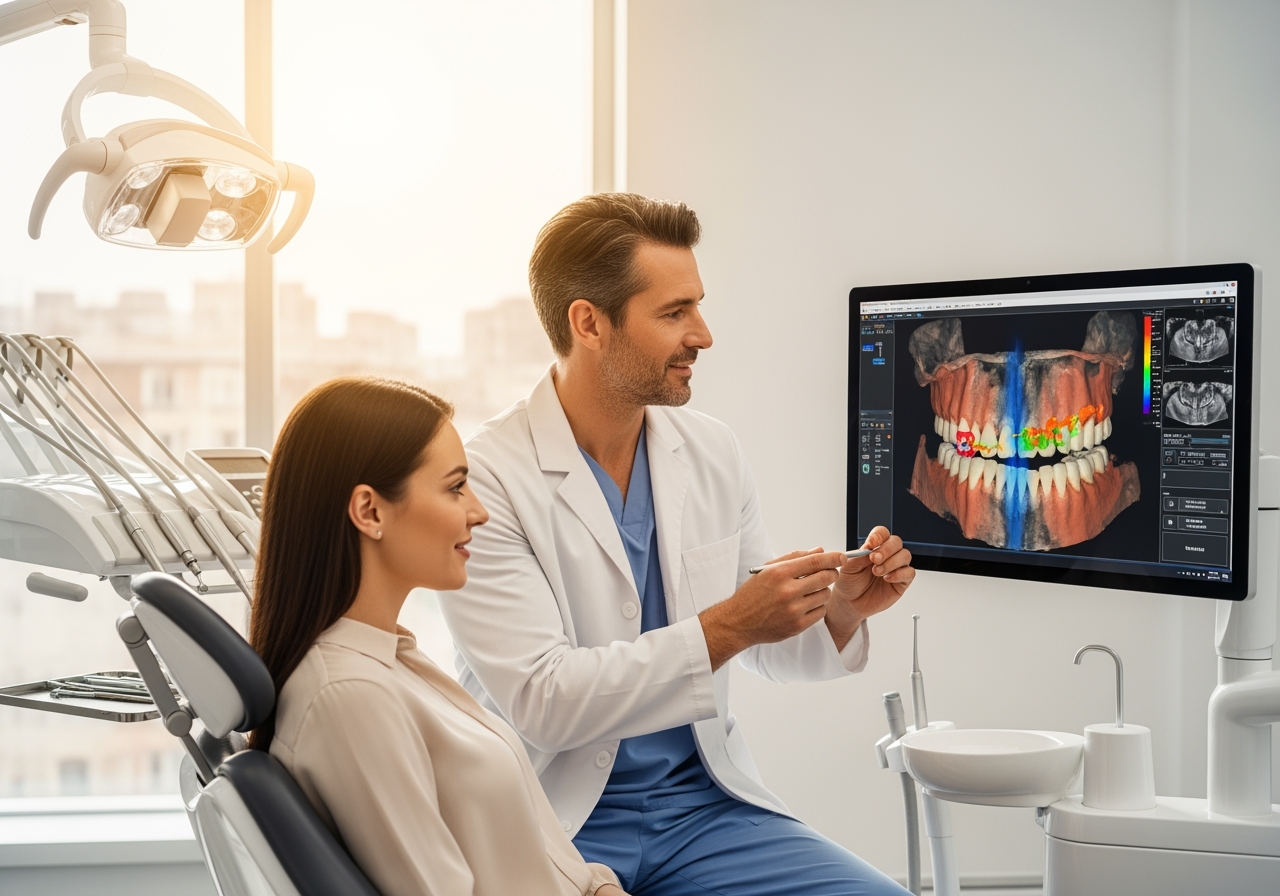
How Technology Improves the Patient-Focused Dental Care Experience
- Digital X-rays: Reduced radiation exposure, instant imaging, and clearer diagnostic views.
- 3D Imaging (CBCT): Provides highly detailed, three-dimensional images of oral structures, crucial for precise diagnosis and treatment planning, especially for implants and orthodontics.
- Intraoral Scanners: Replaces uncomfortable traditional impressions with quick, accurate digital scans, improving patient comfort and treatment precision.
- Laser Dentistry: Allows for minimally invasive procedures, often reducing the need for anesthesia and promoting faster healing.
- Teledentistry: Facilitates remote consultations, follow-ups, and patient education, increasing accessibility and convenience, especially for those in underserved areas.
Advanced Treatments with a Human Touch
While technology provides incredible capabilities, it’s the human touch that truly defines patient-focused care. We integrate these advanced tools with personalized attention, ensuring that innovation serves your comfort and optimal outcomes. For instance, Patient-focused implant dentistry leverages cutting-edge imaging and surgical guides for precise implant placement, yet it’s the careful planning, clear communication, and empathetic support from the dental team that makes the experience truly patient-centered. This combination of advanced technology and compassionate care ensures that even complex procedures are custom to your individual needs and comfort.
Finding Your Fit: How to Identify a Patient-Focused Practice
Identifying a dental practice that genuinely prioritizes a patient-focused approach can transform your dental experience. It requires looking beyond surface-level aesthetics and asking the right questions.
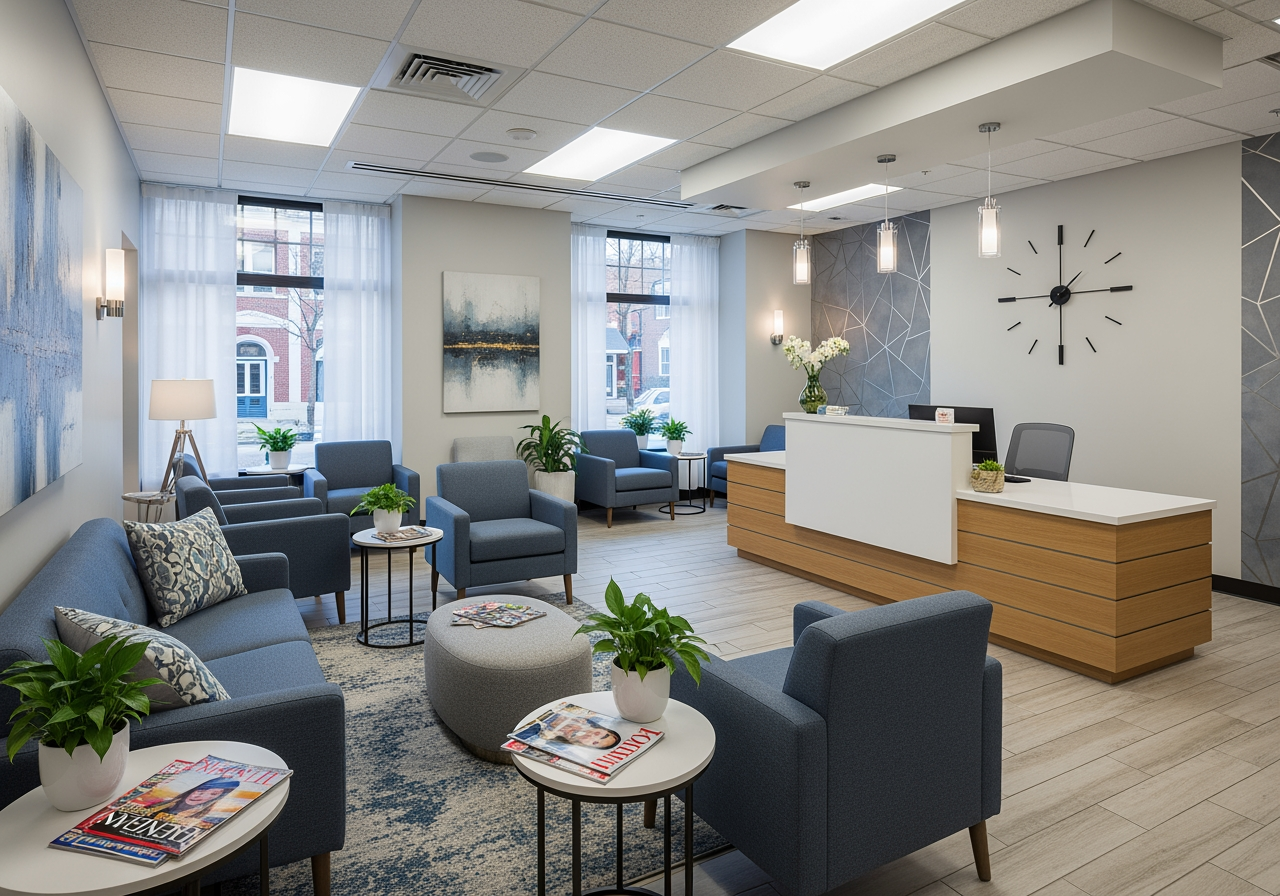
What to Look For in a Practice
- Online Reviews and Testimonials: Look for consistent mentions of compassionate care, effective communication, and a welcoming environment. Patients who feel heard and respected are more likely to build long-term relationships with their dentist.
- Practice Philosophy: Does the practice explicitly state its commitment to patient-centered care on its website or in its mission?
- Initial Consultation Experience: Pay attention to how the staff interacts with you. Do they listen attentively? Are your questions answered thoroughly and without jargon? Do they offer a free consultation or a meet-and-greet?
- Comprehensive Services & Technology: A practice offering a wide range of services and utilizing advanced technology often indicates a commitment to comprehensive, modern care.
- Emphasis on Preventive Care: A patient-focused practice will prioritize education and guidance on preventive measures, equipping you with knowledge and tools for proper oral care techniques, dietary choices, and lifestyle adjustments.
- Time Allocation: Do appointments feel rushed, or does the team take the time to explain procedures and address your concerns? A patient-focused approach ensures that treatments are custom for optimal results by focusing on individualized and open communication.
- Flexible Scheduling and Convenience: Look for practices that respect your time through flexible scheduling, short wait times, and efficient appointments, often facilitated by online booking and digital records.
- Transparent Pricing and Financing: Clear explanations of costs and available financing options demonstrate respect for your financial well-being.
Overcoming Barriers and Looking to the Future of Patient-Focused Dental Care
Implementing a truly patient-focused approach isn’t without its challenges. These can include traditional insurance models that prioritize procedures over comprehensive care, time constraints in busy practices, and the need for continuous training for dental professionals. Despite these barriers, the future of dentistry is undeniably moving towards a patient-centric model.
Innovations in practice management, coupled with advancements in artificial intelligence (AI) and personalized medicine, are paving the way for even more custom and efficient care. AI can assist in treatment planning, risk assessment, and even patient education, while personalized medicine promises treatments customized to an individual’s genetic and lifestyle factors. The integration of oral health into broader interdisciplinary care, where dental professionals collaborate seamlessly with other healthcare providers, will further solidify the patient-focused paradigm.
Frequently Asked Questions about Patient-Focused Dentistry
How is patient-focused care different from just good customer service?
While good customer service is certainly a component, patient-focused care goes deeper. Customer service aims for satisfaction; patient-focused care aims for optimal health outcomes, informed decision-making, and a deep understanding of your individual needs, fears, and values. It’s about a therapeutic relationship, not just a transaction.
Does patient-focused care cost more than traditional dentistry?
Not necessarily. While some advanced technologies or personalized treatments might have different costs, the long-term benefits of patient-focused care can actually save money. Improved preventive care, better treatment adherence, and early detection of issues can prevent more extensive and costly problems down the line. Many practices also offer patient-focused financial solutions, including in-house plans or flexible payment options.
What if I disagree with the treatment my dentist suggests?
A patient-focused dentist will respect your autonomy. They will take the time to explain their recommendations, listen to your concerns, and explore alternative options, including the consequences of non-treatment. The goal is to reach a shared decision that aligns with both clinical best practices and your personal preferences and values. True patient-focused care means you are in control of your treatment decisions.
Conclusion: The Future is Centered on You
The evolution of dentistry towards a patient-focused model is a testament to the growing understanding that effective healthcare is deeply personal. By embracing principles of empathy, clear communication, advanced technology, and a holistic view of health, modern dentistry is not just fixing smiles—it’s changing lives.
We believe that by seeking out a practice committed to patient-focused care, you empower yourself to become an active, informed partner in your oral health journey. This new era of dental care promises not only healthier smiles but also a more comfortable, trusting, and respectful experience every step of the way.
To learn more about finding a patient-focused dental practice that prioritizes your unique needs and comfort, we encourage you to visit our website or contact us directly. We are dedicated to providing comprehensive, patient-centered care that integrates seamlessly with your overall well-being.

The Editorial Team at Healthcare Business Today is made up of experienced healthcare writers and editors, led by managing editor Daniel Casciato, who has over 25 years of experience in healthcare journalism. Since 1998, our team has delivered trusted, high-quality health and wellness content across numerous platforms.
Disclaimer: The content on this site is for general informational purposes only and is not intended as medical, legal, or financial advice. No content published here should be construed as a substitute for professional advice, diagnosis, or treatment. Always consult with a qualified healthcare or legal professional regarding your specific needs.
See our full disclaimer for more details.