
Key Takeaways
- Sober living homes bridge the gap between treatment and independent life.
- They offer peer support and accountability.
- Residents develop essential life skills in a structured environment.
- Access to Colorado’s natural beauty enhances the recovery experience.
- Affordability and accessibility vary across the state.
Sober living homes in Colorado are essential for individuals who are moving from addiction treatment toward full independence. These residences offer more than just a place to stay. They provide a structured, substance-free environment where personal growth and recovery can flourish. For those exploring their options in sober living Colorado, understanding what these homes offer can make a significant difference during this critical transitional phase.
Most people leaving inpatient or intensive outpatient treatment need more than just good intentions and supportive friends. They need a space designed specifically for recovery, where house rules, accountability, and positive lifestyle changes are core principles. Sober living helps bridge the challenging gap between structured rehab and everyday life. Many homes are located near Colorado’s breathtaking outdoor spaces, which can positively impact emotional well-being and strengthen commitment to sobriety.
By living with others focused on sobriety, residents gain peer support and have the opportunity to build life skills that prepare them for long-term success. This sense of community helps lay a foundation for lasting change. Across Colorado, options range in structure, cost, and amenities, making it possible to find a space suited to each individual’s needs.
Structured Support and Accountability
Sober living homes are designed around routines and accountability. Residents follow house rules such as curfews, mandatory attendance at meetings, regular drug and alcohol testing, and participation in chores or house meetings. This daily structure helps reinforce healthy habits and stable routines necessary for lasting recovery. Peer-led activities and involvement also provide necessary encouragement and hold residents accountable for mutual well-being. These structured programs are associated with higher rates of long-term sobriety and improved quality of life.
Peer Support and Community
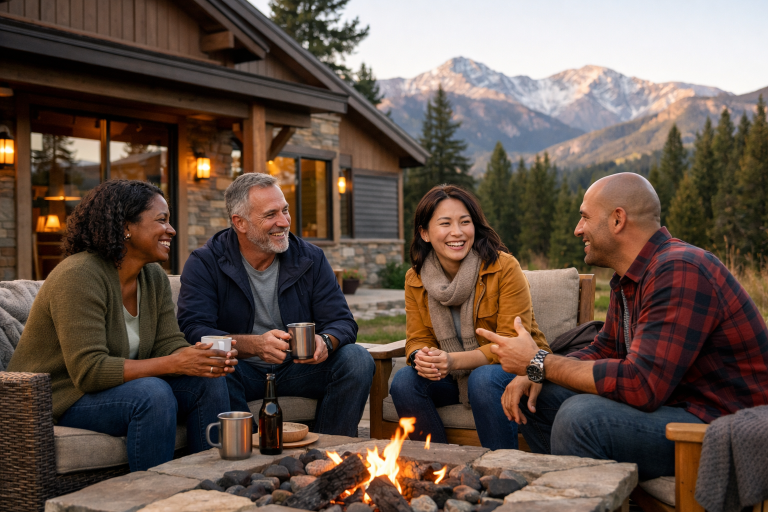
The sense of community in sober living homes is vital. Sharing a household with others on a similar journey creates a unique support system. Residents benefit from shared experiences, open communication, and encouragement. Regular meetings and group activities foster mutual understanding and trust. Support doesn’t stop with emotional connection. Residents often help each other with job hunting, transportation, and reintegration into everyday life. This peer support can be a lifeline, especially in times of challenge or when cravings arise.
Development of Life Skills
Traditional treatment can help stop substance use, but many individuals need additional support as they take steps toward independent living. Sober homes provide a practical environment for developing life skills like budgeting, cooking, time management, paying bills, and maintaining employment. These skills build confidence and independence, reducing the risk of relapse due to unmanageable responsibilities. Residents also learn conflict resolution and cooperative living, making them better prepared for social and professional environments after leaving the home.
Access to Outdoor Activities
One of the unique benefits of sober living in Colorado is the proximity to nature. Engaging in activities like hiking, mountain biking, fishing, or skiing provides healthy ways to manage stress and anxiety. Outdoor recreation promotes physical wellness and can be therapeutic for people in early recovery. A study reported by the New York Times highlights that spending time outside lowers cortisol levels and improves mood, making Colorado an ideal backdrop for recovery.
Affordability and Accessibility
The cost of sober living in Colorado ranges widely, typically from $700 to $2,500 per month. Factors like location, amenities, staffing, and level of support contribute to these differences. Some homes provide partial financial support or sliding-scale fees to help make these services available to more people. If cost is a concern, do not hesitate to ask potential homes about scholarships or payment plans. The state also has resources to help individuals transition from treatment to stable housing, highlighted by organizations such as the Colorado Department of Human Services.
Choosing the Right Sober Living Home
Finding the right sober living home is a deeply personal decision. Consider geographic location for access to work or family, the rules and expectations set by the home, and whether the peer group feels supportive. Look for transparent communication and clear policies on everything from curfews to random drug testing. Ask about support services like transportation, employment assistance, or in-house counseling. Take time to tour homes and meet current residents if possible, making sure the atmosphere aligns with your recovery values and personal needs.
Conclusion
Sober living homes across Colorado provide a vital bridge from treatment to independent, substance-free living. These safe, supportive environments foster accountability, skill development, and healthy routines. Surrounded by Colorado’s natural beauty, residents have unique opportunities for outside activities that benefit mind and body. With options available at different price points, it is possible for most people to find a fit that matches both their practical and recovery needs. For anyone on the journey to sobriety, sober living homes represent an invaluable resource and a hopeful path toward lasting wellness.

The Editorial Team at Healthcare Business Today is made up of experienced healthcare writers and editors, led by managing editor Daniel Casciato, who has over 25 years of experience in healthcare journalism. Since 1998, our team has delivered trusted, high-quality health and wellness content across numerous platforms.
Disclaimer: The content on this site is for general informational purposes only and is not intended as medical, legal, or financial advice. No content published here should be construed as a substitute for professional advice, diagnosis, or treatment. Always consult with a qualified healthcare or legal professional regarding your specific needs.
See our full disclaimer for more details.


