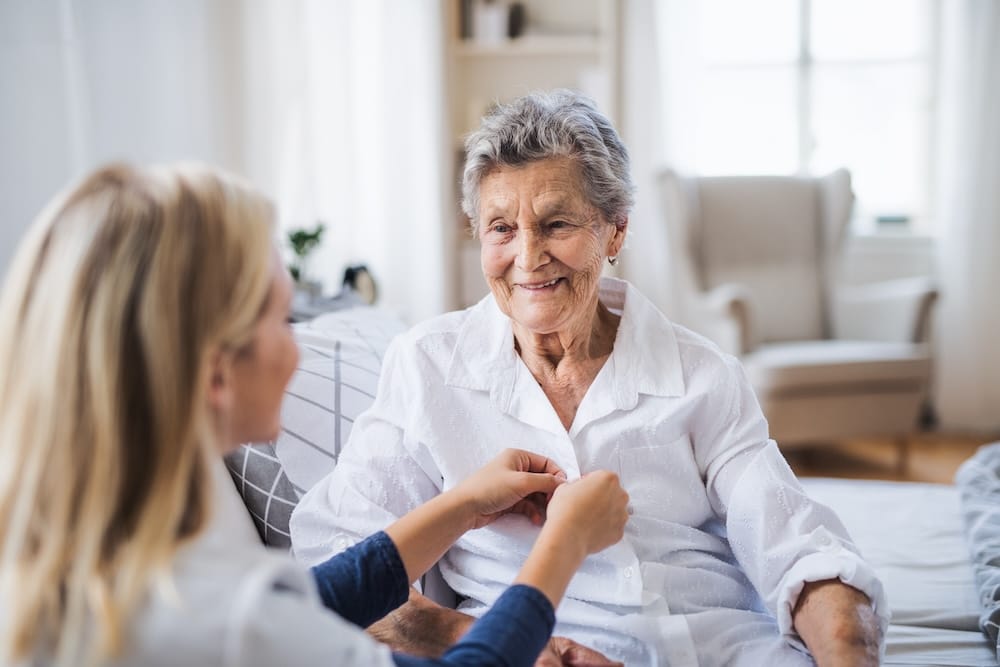
Senior care is entering one of the most consequential leadership transitions in its history. Effective leadership in nursing homes and assisted living communities is changing as a result of demographic growth, workforce demands, increasing clinical complexity, and changing resident expectations. Today’s elder care leader is more than just a clinical supervisor or administrator. The capacity to combine human-centered management, clinical competence, and financial discipline into a cohesive leadership paradigm is now essential for success.
The aging population is driving significant changes in senior living. As life expectancy rises globally, senior living organizations are moving away from reactive care systems and towards proactive health ecosystems that prioritize prevention, personalization, and coordinated support. Research increasingly highlights person-centered care models that integrate medical, social, and functional data to anticipate residents’ needs, rather than merely responding to crises as they arise.
Facility Management to System Leadership
Historically, senior care leadership focused on operations, staffing schedules, regulatory compliance, and occupancy management. Even as these duties remain crucial, today’s executives must act as system builders while juggling the demands of hospitality, healthcare delivery, and corporate sustainability.
Senior living companies are investing in innovation and technology adoption while juggling regulatory complexity, workforce shortages, and profit challenges, according to industry studies. Strategic fluency beyond traditional caregiver duties is necessary for leaders to fulfill the dual goal of increasing resident outcomes and strengthening financial performance. As a result, modern CEOs need to think like healthcare strategists rather than merely facility administrators. Long-term planning, data analysis, and financial literacy are becoming just as important as clinical knowledge.
Clinical Excellence in a More Complex Resident Population
The next generation of residents is arriving with higher acuity, greater health literacy, and stronger expectations for participation in care decisions. Organizations are being pushed toward interdisciplinary care models that incorporate nurses, doctors, therapists, and social support teams because baby boomers, in particular, anticipate collaboration rather than passive treatment.
This cooperation must be made possible by leadership at both the structural and cultural levels. This entails funding workforce development, giving nurses decision-making authority, and creating clinical settings that promote critical thinking rather than limit it by standard procedures. Today, compliance measurements are not the only way to gauge clinical performance. Adaptability, coordination, and the ability to customize care at scale are examples of it.
Financial Discipline is Care Strategy
Financial stewardship is increasingly inseparable from quality care. Senior care providers have been compelled to reassess their revenue models and cost-control strategies due to shifts in payment patterns, staffing limitations, and inflationary pressures. In order to stay stable in a changing climate, organizations are forging alliances, expanding their products, and investigating new ways to provide care.
Proficient leaders understand the importance of financial sustainability. While investments in technology infrastructure, consistent staffing, and preventive care increase resident outcomes, long-term expenses are frequently lowered. Businesses can flourish in market cycles when their leaders recognize this relationship.
Human-Centered Management as the Leadership Differentiator
Perhaps the most significant evolution lies in how leaders manage people. Workforce burnout remains one of the biggest concerns in the senior care sector, despite the work being largely relational. A purpose-driven culture, professional growth, and psychological safety must be given top priority by contemporary leadership.
New trends indicate that residents and staff alike expect personalized care. Businesses that promote intergenerational cooperation, participation, and mentoring are better able to retain employees and ensure continuity of care.
Human-centered leadership also extends to residents’ lifestyles. Autonomy, community integration, and aging-in-place models, backed by flexible services and technology, are becoming increasingly popular among older adults. Therefore, leaders need to create settings that maintain autonomy while providing clinical reliability.
The Leader Senior Care Requires
The future of senior care will not be shaped by operational efficiency alone. It will be characterized by leaders who can strike a balance between innovation and trust, empathy and analytics, and mission and profitability. The developing senior care executive is a combination of a strategist, a clinician, and a culture builder. They must ensure that organizations maintain their financial stability while converting intricate healthcare systems into caring, everyday encounters.
Leadership must change in tandem with the expectations of a new generation of residents, families, and caregivers. Those who successfully combine human-centered principles, rigorous management, and clinical knowledge will be able to do more than just oversee senior care facilities. In the coming decades, they will redefine what it means to age well.