
Violence against healthcare workers is no longer a rare or isolated concern. Nurses, physicians, and frontline staff now face a significantly higher risk of assault than workers in any other industry, all while caring for some of the most vulnerable patients in society. Traditional “Run-Hide-Fight” protocols and physical security upgrades are important, but many hospitals still struggle with a critical missing piece: a non-lethal, indoor-safe option that can quickly stop an aggressor without compromising patient safety or disrupting care.
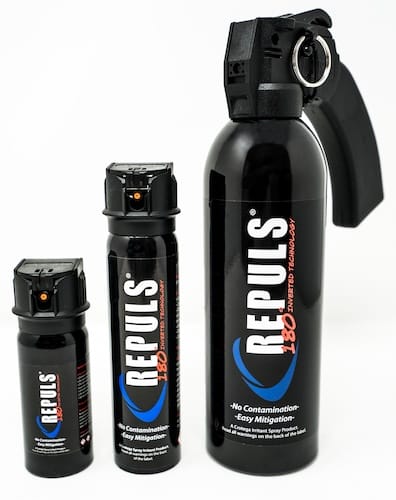
Crotega Safety Solutions developed REPULS® Defense Spray to help fill that gap. This patented, water-based ocular irritant is designed specifically for confined environments such as hospitals, trauma centers, and clinics, where cross-contamination, respiratory distress, and lengthy cleanup can make traditional pepper sprays unusable. REPULS is now being evaluated and adopted by medical facilities across the United States as part of broader workplace violence prevention and active assailant preparedness strategies.
In the following Q&A, Crotega Safety Solutions discusses how REPULS fits into modern hospital security programs. The responses reflect the perspective of the company as a whole rather than a single named spokesperson and outline how non-lethal, precision-based tools can help protect healthcare workers while maintaining the highest standards of patient care.
HBT: Healthcare workers are five times more likely to face workplace violence than employees in other industries. From your perspective, what gaps still exist in current hospital security protocols that REPULS Defense Spray is uniquely designed to fill?
Crotega: REPULS fills the critical gap between verbal de-escalation and the use of elevated tools within the use of force spectrum. REPULS offers a safe, fast, and effective solution for confined healthcare environments something traditional OC sprays and current protocols cannot achieve.
There are 4 critical gaps in a hospital or clinical setting where REPULS fits into safety programs:
A. Inability to Safely Use Pepper Spray Indoors
Traditional pepper spray (OC) is extremely dangerous and potentially deadly to use in hospitals or clinics because it contaminates air systems, triggers asthma attacks, and requires evacuation and lengthy cleanup. This exponentially raises a medical facilities risk capacity and could jeopardize meeting healthcare regulatory standards.
REPULS is water-based, non-flammable, and non-aerosolizing, meaning it does not spread through HVAC systems and has no cross-contamination risk. Cleanup takes less than five minutes with water and mild cleaners, so hospital or clinical operations resume quickly.
B. Escalating Workplace Violence
Healthcare workers experience 93% of all nonfatal workplace injuries from violence, yet most hospitals lack intermediate, non-lethal tools for staff or security. Response is often reactive waiting for security or law enforcement.
REPULS provides immediate, humane incapacitation (involuntary eye closure and disorientation) without causing permanent harm. It empowers healthcare staff to stop aggression instantly, reducing injuries and liability.
C. Liability and Patient Safety Concerns
Hospitals avoid chemical deterrents like pepper spray because of risks to vulnerable patients, staff, and bystanders. Pepper spray can cause respiratory distress and secondary contamination.
REPULS is very target specific. Deploying REPULS only impacts the aggressor, even in crowded areas. REPULS is safe for patients with respiratory conditions and compliant with healthcare safety standards.
D. Operational Disruption After Incidents
Traditional pepper sprays require medical units to be evacuated and necessitate specialized cleaning services, which delays patient care and increases costs. REPULS offers a significant advantage by enabling rapid decontamination with water and mild cleaner in just minutes, minimizing downtime, and ensuring continuity of care.
HBT: Many medical facilities hesitate to use traditional pepper sprays due to cross-contamination risks. Can you explain how REPULS’ water-based formulation and liquid-spray precision help eliminate those concerns in sensitive clinical environments?
Crotega: REPULS was specifically designed to address the limitations of traditional OC (oleoresin capsicum) pepper sprays in environments like hospitals and clinics where contamination control is critical.
A. Water-Based Formulation
Traditional pepper sprays use different heat rated levels of oleoresin capsicum oil-based carriers, which cling to surfaces, fabrics, and skin, making cleanup difficult and increasing the risk of secondary exposure.
REPULS is a U.S. patented water-based formula that can be easily flushed away with water, reducing lingering contamination and making decontamination faster and safer for staff and patients.
REPULS is non-reactive with medical equipment. Water-based means it is less likely to damage sensitive instruments or surfaces compared to oil-based sprays.
B. Liquid-Spray Precision
REPULS uses a liquid stream rather than a wide aerosol mist. This means the spray is highly directional, minimizing airborne particles that could spread through HVAC systems or settle on sterile surfaces.
REPULS has reduced cross-contamination. The precision stream targets only the subject, avoiding unnecessary exposure to nearby patients, staff, or medical equipment.
REPULS is safer in confined spaces. Hospitals often have tight corridors and shared spaces. A focused stream prevents the “cloud effect” that traditional sprays create.
HBT: Captain Ramos from a Level One Trauma Center reported a 40 percent reduction in security officer injuries after adopting REPULS. What are some of the most common outcomes or success stories you are hearing from other facilities using the product?
Crotega: Healthcare systems across the country use different methods to capture violence prevention data. It can be difficult to accurately measure percentage reductions due to the dynamic environment that exists for medical facilities. Nevertheless, common outcomes observed from implementing REPULS in healthcare settings include:
- Reduced Staff Injuries: REPULS provides a non-lethal, quick-response option that minimizes the need for physical restraint. This lowers the risk of injuries to nurses, security personnel, and other staff during violent incidents.
- Improved Patient Safety: Because REPULS is water-based and non-toxic, it avoids respiratory complications or allergic reactions common with pepper spray. Patients in nearby areas remain safe, and care environments stay uncontaminated.
- Faster Incident Resolution: REPULS causes temporary disorientation and involuntary eye closure, allowing staff to regain control quickly. This shortens the duration of violent episodes, reducing disruption to care delivery.
- Lower Operational Downtime: Unlike OC spray, REPULS does not require evacuation or extensive cleanup. Facilities can return to normal operations within minutes, avoiding costly delays.
- Enhanced Staff Confidence & Retention: Providing a humane, effective tool for self-defense improves staff morale and reduces burnout. Employees feel safer, which can lead to better retention and lower turnover rates.
- Compliance with Safety Standards: REPULS supports OSHA and Joint Commission recommendations for workplace violence prevention. Demonstrates proactive risk management, reducing liability and improving accreditation scores.
- Positive Public Perception: Using a non-lethal, patient-centered intervention aligns with healthcare’s ethical standards. Shows commitment to safety without compromising dignity or care quality.
- Capt Michael Ramos may have said it best: “In my 13 years with the department, there has been minimal to no use of traditional OC/Pepper Spray because of the fear of cross-contamination harming other officers, our medical staff members, and especially the compromised patients in the hospital. REPULS has been a gamechanger as it is the only deterrent spray that can be safely used indoors. REPULS has empowered us to work more effectively and keep everyone safe.”
HBT: REPULS is the only deterrent spray approved for safe indoor and in-vehicle use. What specific testing or technological innovations allowed it to meet this safety threshold while maintaining effectiveness?
Crotega: The mandate to our chemist for development of the chemical irritant for our SentriZone system, that is now being used in our handheld canisters, was that the chemical be “strong enough to stop an active shooter, safe enough to spray on an elementary student, allow for someone to immediately enter the space where the chemical was sprayed, and be easily cleaned up following deployment.” As the chemical composition was developed, the chemist relied upon his years of experience in the industry to bring to Crotega a mixture of water-based chemicals that has withstood the test of time in safety and effectiveness in the agricultural industry. A full battery of tests were performed by third-party chemical industry testing agencies, resulting in evidence of the safety of the chemical for the use intended. The testing protocols used were in accordance with Title 40 of the Code of Federal Regulations. REPULS was tested for 133 pesticides under the Oregon regulations OAR 333-007-0300 to 333-007-0500 and OAR 333-064-0100 to 333-064-0130 and none were detected. Here is a link to Crotega’s Safety Data Sheets.
Introducing REPULS into healthcare has met and exceeded these general standards:
- Review Hospital Policy and Accreditation Standards: Many hospitals prohibit “weapons” in psychiatric units and therapeutic spaces. REPULS has met these standards due to the chemical make-up of being water-soluble and meets violence prevention standards implemented by healthcare policies, procedures, and state laws governing use of chemical tools.
- Risk Assessment: REPULS has been reviewed by risk leaders and determined not to introduce additional risk to healthcare providers or patients. Its use has also been thoroughly evaluated for compatibility with sensitive medical equipment and confirmed as safe for integration within medical environments.
- Evaluated justification/need: Documented justification for introducing REPULS as part of a violence prevention program is a standard step for evaluation. Through the standard evaluation process for most medical facilities, the justification has been clearly established prior to any integration.
- Develop or Update Use-of-Force Policies: Before implementing REPULS as part of a use-of-force policy, standard assessments within the medical community must be satisfied. Medical facilities would therefore require strict guidelines governing their application. This requirement suggests that REPULS has met or exceeded rigorous standards designed to prioritize patient care while simultaneously preventing violence.
- Legal and Insurance: REPULS aligns strict healthcare legal review and insurance requirements. To meet legal and insurance requirements for using REPULS in a medical setting, organizations must comply with a combination of regulatory standards, quality management frameworks, and regulatory criteria around infection prevention.
- Training and Certification: Medical facilities adhere to strict standards for training and certification for personnel authorized to carry REPULS. These standards ensure proper deployment and effective post deployment mitigation. Many states and employers require documented proof of training to maintain compliance and reduce liability risks. REPULS has successfully passed regulatory reviews associated with post incident evaluations.
- Safety and Storage Protocols: REPULS meets strict storage requirements within a medical facility.
HBT: With active assailant incidents on the rise, how are hospitals integrating REPULS into their Run-Hide-Fight or broader emergency preparedness strategies?
Crotega: Hospitals are increasingly adapting their emergency preparedness strategies to address the rise in active assailant incidents, and REPULS (as a non-lethal tool) is being integrated as part of layered security measure rather than replacing traditional protocols like Run-Hide-Fight.
- REPULS as a Defensive Layer: REPULS is used to create time and distance between an assailant and staff/patients without resorting to escalated force. Hospitals see this as critical because clinical environments often make evacuation or hiding difficult. It is positioned as part of the “Fight” option in Run-Hide-Fight, but in a controlled, non-lethal way that aligns with healthcare ethics and duty of care obligations.
- Integration into Broader Emergency Plans: Hospitals are embedding REPULS into active shooter response plans, alongside physical security upgrades (safe rooms, access control) and communication systems. REPULS deployment is often included in tabletop exercises and full-scale drills, ensuring staff know when and how to use it without compromising patient safety.
- Training and Policy Development: Staff receive scenario-based training that incorporates REPULS as a last resort defensive measure, emphasizing situational awareness and decision making under stress. Staff factor in law enforcement response and appropriate use of force measures in an active shooter situation within a medical facility. In the event a security officer needs to use their full complement of tools, REPULS is a viable option.
- Ethical and Clinical Considerations: Hospitals balance REPULS integration with patient care obligations.
- Avoiding harm to vulnerable populations: This aligns with the shift from generic Run-Hide-Fight toward healthcare specific models like Secure-Preserve-Fight, which prioritize patient safety while enabling defensive actions.
HBT: Eco-friendly and patient-safe ingredients are increasingly important in healthcare environments. How does REPULS strike the balance between safety, sustainability, and immediate threat mitigation?
Crotega: REPULS strikes a balance between patient safety, sustainability, and effective threat mitigation through several key design principles:
- Safety for Patients and Staff: Non-toxic, water-based formula.
- Immediate but temporary effects: It induces involuntary eye closure and disorientation without causing permanent harm. Effects are quickly reversible with water or saline rinsing.
- Minimal cross-contamination risk: REPULS avoids blowback and secondary exposure, which is critical in healthcare environments where vulnerable patients and staff are present.
- Eco-friendly composition: REPULS is water-based and non-flammable, reducing environmental impact compared to traditional pepper spray or other chemical deterrents. Cleanup requires only water, and mild cleaner avoiding harsh chemicals.
- Responsible design: Developed to meet growing demand for humane, less-lethal solutions that align with sustainability goals in healthcare and public safety sectors.
- Immediate Threat Mitigation: The implementation of REPULS provides an immediate impact in reducing or eliminating threats of violence, thereby mitigating the need for alternative measures to ensure the safety of healthcare staff.
- Creating Critical Reaction Time: REPULS disrupts an aggressor’s ability to focus, giving staff critical time to de-escalate or secure the area without resorting to elevated force.
- Safe Deployment: Hospitals and trauma centers report REPULS as a “game-changer” because it can be used indoors without triggering secondary emergencies like asthma attacks or mass evacuations.
HBT: Beyond handheld devices, Crotega offers advanced systems like SentriZone and SentriPak. How do these solutions work together with REPULS to create a layered approach to healthcare facility security?
Crotega: REPULS is the active liquid within the SentriZone system. A multi-layered security approach is critical to ensuring patient and visitor security within a medical facility. In the event of an active shooter, a multi-layered security plan can mean the difference between life and death.
- Perimeter Control: SentriZone is perimeter control. Access control with badge readers, mantraps, and visitor management systems is critical. SentriZone is the primary first layer of defense in a traditional multi-layered security plan in the event of active violence.
- Surveillance: Cameras covering all ingress/egress points and high-risk areas are critical in managing risks and effectively leveraging security resources. The SentriZone system incorporates using your existing security surveillance camera systems.
- Develop a Layered Security Strategy: Effective multi-layered security planning means combining REPULS handhelds accessible at security desks with high-traffic choke points with a SentriZone system.
- Combining these security system layers with:
- Physical barriers, security doors, locks, and panic buttons.
- Alarm systems, mass notification tools, cameras, and a centralized security operations center (dispatch).
- Implement policies that support zero-tolerance for violence, with clear escalation paths.
HBT: Looking ahead, what role do you believe non-lethal, precision-based technologies like REPULS will play in shaping the future of workplace safety for healthcare professionals?
Crotega: Medical facilities face unique challenges in maintaining security while ensuring patient care and preserving sensitive environments. REPULS provides an innovative solution by delivering a safe, targeted deterrent that can be deployed indoors without impacting HVAC systems or causing long-term harm. This groundbreaking technology is transforming security policies and procedures. While patient care may vary across regions, the mission and goal remain consistent: protecting people and ensuring safety.
Summary: Healthcare, safety, and security practices are being transformed.
- Safety in Confined Spaces: REPULS is safe for use in emergency rooms, hallways, and ambulances because it does not aerosolize or contaminate air handling systems. Unlike OC spray or tear gas, REPULS minimizes collateral exposure and ensures rapid cleanup with water in under five minutes.
- Risk Mitigation: Provides a hands-off approach to neutralizing threats, reducing physical altercations and injuries to staff, patients, and security personnel.
- Violence Prevention: Effective for gaining compliance without long term residual effects, supporting a trauma-informed care environment.
- Regulatory Compliance: Effective integration within existing security design guidelines, and regulatory compliance requirements.
- Multi Layered Security Response: The SentriZone system should be incorporated during conceptual design and renovation phases. SentriZone systems will integrate with existing security infrastructure (e.g., access control, surveillance) for coordinated response.
- Vulnerability and Risk Assessments: These are required regulatory Joint Commission assessments. Medical facilities must conduct a Security Vulnerability Assessment to identify areas where patient vulnerabilities exist. The SentriZone system can provide rapid defense against active threats.
- Safety Readiness: Staff are trained in deployment protocols, including cleanup, and post-incident reporting.
- Compliance and Ethical Use: Use of REPULS would comply with local regulations, healthcare safety standards, and organizational policies on workplace violence prevention. Deployment should prioritize least harmful principles, ensuring proportional response to threats.
As hospitals confront rising rates of workplace violence and active assailant incidents, leaders are being asked to do more than reinforce doors or revise policies. They are being asked to give staff practical, ethical, and safe tools that can make a difference in the critical seconds when de-escalation fails and law enforcement has not yet arrived. REPULS Defense Spray is presented by Crotega as one such tool, offering targeted, indoor-safe disruption of aggressive behavior while minimizing risk to patients, bystanders, and the care environment.
From its water-based, eco-conscious formulation to its integration with systems like SentriZone and SentriPak, REPULS illustrates how non-lethal technologies are reshaping the continuum of response in healthcare settings. For organizations revisiting their workplace violence prevention programs, this kind of layered, precision-based solution may become an increasingly important part of safeguarding both caregivers and the people they serve.
For more information, visit crotega.com.

Daniel Casciato is a seasoned healthcare writer, publisher, and product reviewer with two decades of experience. He founded Healthcare Business Today to deliver timely insights on healthcare trends, technology, and innovation. His bylines have appeared in outlets such as Cleveland Clinic’s Health Essentials, MedEsthetics Magazine, EMS World, Pittsburgh Business Times, Post-Gazette, Providence Journal, Western PA Healthcare News, and he has written for clients like the American Heart Association, Google Earth, and Southwest Airlines. Through Healthcare Business Today, Daniel continues to inform and inspire professionals across the healthcare landscape.



1 thought on “A Safer Way Forward: How REPULS Defense Spray Is Transforming Workplace Violence Prevention in Healthcare”
Comments are closed.