Key Takeaways
- Daily oral hygiene and consistent cleaning routines are vital for strong, healthy gums.
- Regularly scheduled dental appointments facilitate early detection of problems and professional care.
- Lifestyle habits, including diet and stress management, play a crucial role in gum health.
Table of Contents
Maintaining optimal gum health is a cornerstone of overall well-being, contributing not only to a bright smile but also to the prevention of serious health issues. Consulting with a periodontist can provide personalized guidance on how to best care for your gums. These dental specialists understand the intricacies of gum disease and the best practices for avoiding painful, costly complications. Healthy gums do much more than anchor your teeth. They protect your body from infection, reduce the risk of tooth loss, and are increasingly linked to systemic conditions such as heart disease and diabetes. By incorporating expert tips into your daily routine, you can ensure that your gums remain strong and resilient for years to come.
Daily Oral Hygiene Practices
Successful gum care starts at home, with daily routines that block the onset of gum disease. Brushing twice a day with fluoride toothpaste helps remove plaque before it hardens along the gumline. Use a soft-bristled toothbrush to minimize gum irritation. Employ gentle, circular motions to clean both the teeth and the junction between the teeth and gums, as this is where bacteria love to hide. Flossing is equally necessary. It reaches crevices between teeth that a brush cannot access, extracting trapped food and plaque to reduce inflammation. Supplement your routine with an antimicrobial mouthwash to reduce harmful oral bacteria and keep your breath fresh. The American Dental Association reinforces the importance of replacing toothbrushes every three to four months to maintain cleaning efficiency.
Importance of Regular Dental Visits
Even the most disciplined brushing and flossing cannot substitute for professional dental care. Dentists use specialized tools to remove tartar, a calcified form of plaque, which stubbornly adheres to teeth and can only be removed during cleanings. Regular visits, typically every 6 months, allow your dentist to detect trouble spots before they become serious issues. Routine dental exams also provide an opportunity for tailored preventive guidance. Your dentist can spot early signs of gum recession, gingivitis, and even oral cancers. According to the Centers for Disease Control and Prevention, adults who maintain regular dental visits are more likely to have better oral health outcomes across their lifespan.
Lifestyle Choices and Gum Health
Daily habits reach far beyond brushing and flossing. Smoking and use of tobacco products are among the most significant risk factors for gum disease, directly harming gum tissue and decreasing the body’s healing capacity. Quitting smoking leads to dramatic improvements in gum health and reduces the risk of periodontal disease progression.
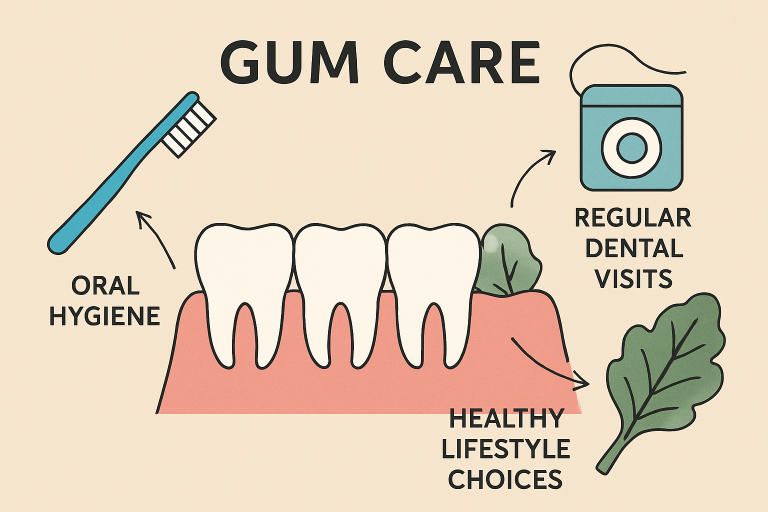
Stress management is another essential but overlooked aspect of gum care. Chronic stress can suppress the immune system, making it harder for your body to fight infections, including those involving the gums. Techniques such as regular exercise, meditation, or yoga may help buffer the adverse effects of stress on your oral health.
Dietary Habits for Healthy Gums
Nutritional choices play an influential role in gum health. Diets rich in vitamin C help protect against gum inflammation and bleeding. Excellent sources include citrus fruits, bell peppers, and leafy greens. Calcium, found in dairy products, almonds, and fortified plant milks, is crucial for maintaining strong bones and teeth, providing fundamental support for the structures that cradle your teeth. Reducing consumption of sugary snacks and drinks lowers the risk of plaque formation, which directly causes gum irritation and disease. According to Harvard Health Publishing, poor oral health and dietary habits can contribute to other health issues, reinforcing the importance of nutrition in your daily routine.
Recognizing Early Signs of Gum Disease
Awareness is the foundation of prevention. Early symptoms of gum disease can be subtle at first, making it crucial to remain vigilant. Warning signs include red, swollen, or tender gums. Bleeding during brushing or flossing is another common sign of inflammation. Persistent bad breath and receding gums, which expose more of the tooth, are also indicators of gum problems. Spotting these symptoms early and seeking timely professional advice can be the difference between simple treatment and more invasive interventions down the line. Always consult a dental professional if you observe any of these changes to halt the progression of the disease.
Professional Treatments for Gum Health
If gum disease develops, more intensive treatment options may be necessary. These range from deep-cleaning procedures like scaling and root planing to clear infection below the gumline to advanced surgical techniques for severe cases involving gum or bone loss. Periodontists specialize in these treatments, designing individualized care plans that restore health and prevent future issues. Preventative measures remain your best defense, but never hesitate to consult with a periodontist if you have concerns. Early intervention preserves more of your natural gum tissue and can dramatically improve long-term outcomes. Additional resources and information about specific procedures can be found at reputable sources, such as the Mayo Clinic.
Conclusion
Safeguarding your gum health is a continuous journey that includes diligent home care, lifestyle adjustments, and partnership with dental professionals. By adopting the evidence-based recommendations from periodontists, you take critical steps to prevent gum disease and support your overall health. Make these practical strategies part of your routine for a confident, healthy smile that lasts a lifetime.

The Editorial Team at Healthcare Business Today is made up of experienced healthcare writers and editors, led by managing editor Daniel Casciato, who has over 25 years of experience in healthcare journalism. Since 1998, our team has delivered trusted, high-quality health and wellness content across numerous platforms.
Disclaimer: The content on this site is for general informational purposes only and is not intended as medical, legal, or financial advice. No content published here should be construed as a substitute for professional advice, diagnosis, or treatment. Always consult with a qualified healthcare or legal professional regarding your specific needs.
See our full disclaimer for more details.