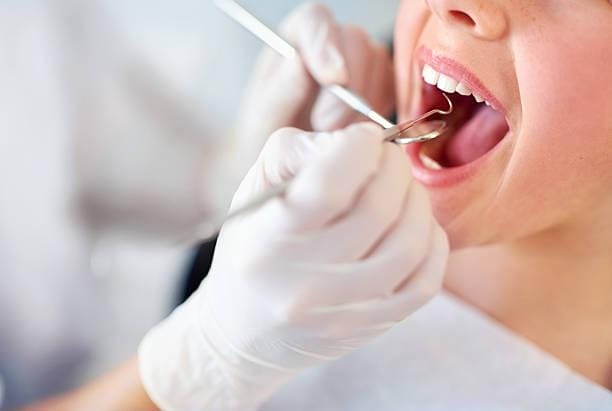
There is no better experience than watching your child grow from that tiny human to a big person. You watched every bit of their lives, including their tooth growth. As a parent, among all the other knowledge that you need to be familiar with, dental emergencies are critical.
We all know how difficult it is to see them experience toothache, fractured teeth or other dental issues. That’s why it’s important to educate yourself about what to do and who to contact. In this article, we have compiled some lists of common dental emergencies and what you should do when they happen.
Cut or Bitten Tongue, Lip or Cheek
Although usually considered a minor issue, chomping down hard on their tongue, lip or cheek while eating can elicit a shriek even from the oldest of your kids, and when it happens, you need to stay calm. The best course of action is to clean the area with water gently, then apply a cold compress to the affected area. It will help control and reduce the swelling.
If there is bleeding, apply pressure gently using gauze or a piece of cloth. In severe situations, pressure alone may not work to control the swelling; therefore, contact your trusted pediatric dentist for an emergency visit.
Visit https://www.nhs.uk/live-well/healthy-teeth-and-gums/taking-care-of-childrens-teeth/ to learn more about how to take care of your child’s teeth.
Knocked-out Baby Tooth
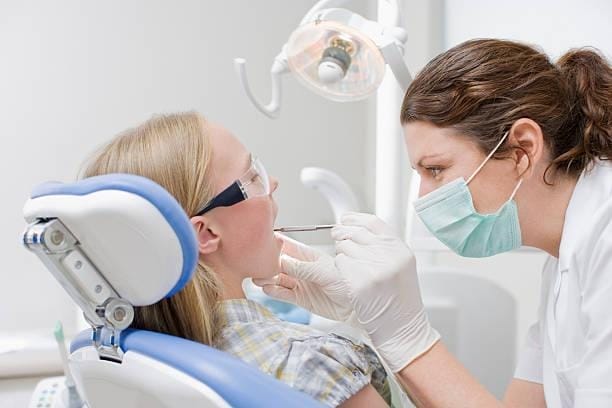
In most situations, a knocked-out baby tooth is not considered an emergency. However, you may still need to call your dental clinic when it happens. When going, take along the baby tooth, but you don’t need to keep it moist like a permanent tooth.
Severe Blow to the Head
If your baby experiences a severe blow to their head, there may be a kind of dental trauma involved. The action to take here is to take them to a dental clinic like the Fraser Valley Pediatric Dentistry as soon as possible for a complete checkup. They will check if there is a need for more intensive treatment and decide the right one to administer. They will also observe symptoms like severe swelling on the face or gums, and persistent, uncontrollable oral bleeding.
Severe Toothache
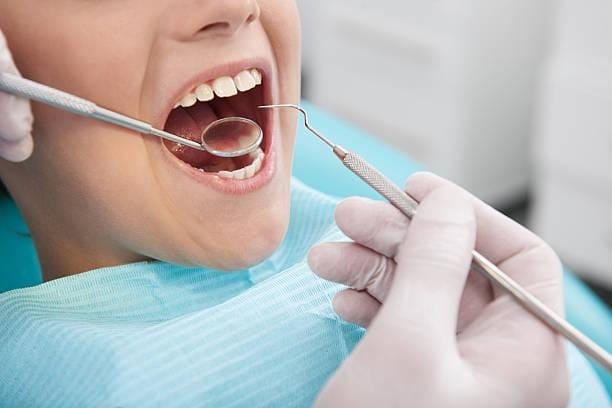
A toothache can range from a minor to a serious complication. Sometimes, the pain might be due to a piece of food stuck in their teeth. The first thing to do once they complain of a toothache is to ask them to rinse their mouth thoroughly to remove any food particles.
Check thoroughly for any leftover food pieces around their teeth and use dental floss to dislodge them in case you find any. If this is not what causes the toothache, check for cavities, abscesses or other issues. If the pain persists, contact a professional dental physician to book an emergency treatment.
Keep in mind: Never apply ice directly to your baby’s tooth or gums, as it can burn the sensitive tissue there. You can use a cold compress to reduce the swelling but not ice on the gums.
Tooth Sensitivity
Children suddenly becoming sensitive to hot or cold foods can be due to many reasons. Maybe there is an injury or cavity in their mouth. Instead of telling them it will go with time or to wait, schedule an emergency visit to a dentist so they can examine their oral cavity to identify the root of the problem and provide treatment.
Click here to learn more about dental injury.
Object Stuck in Mouth

If an object is stuck in your baby’s mouth, first try to remove it using floss. However, remember never to use a sharp or pointed object close to their teeth or gums. If this method doesn’t work, contact your dentist as fast as possible.
Visit https://www.betterhealth.vic.gov.au/health/conditionsandtreatments/teeth-development-in-children to gain more insights into children’s dental development.
Conclusion
Children can experience different kinds of emergencies, and one of them is dental problems. We’ve listed different cases and how you can deal with them. Remember, things that can’t be solved at home should be left to professionals. Once they happen, visit a nearby dental clinic to get them checked and receive proper treatment.

The Editorial Team at Healthcare Business Today is made up of experienced healthcare writers and editors, led by managing editor Daniel Casciato, who has over 25 years of experience in healthcare journalism. Since 1998, our team has delivered trusted, high-quality health and wellness content across numerous platforms.
Disclaimer: The content on this site is for general informational purposes only and is not intended as medical, legal, or financial advice. No content published here should be construed as a substitute for professional advice, diagnosis, or treatment. Always consult with a qualified healthcare or legal professional regarding your specific needs.
See our full disclaimer for more details.