
Recognizing the Need for Addiction Support
Understanding when to seek help is the crucial first step on the path to recovery. Addiction, often intertwined with other behavioral health conditions, can manifest in subtle and overt ways. Recognizing these signs and symptoms in ourselves or our loved ones is paramount.

When to Seek Help for a Behavioral Health Condition
Behavioral health encompasses our emotional, psychological, and social well-being. When this balance is disrupted, it can lead to significant challenges in daily life. Here are some common signs and symptoms that indicate a need for behavioral health support:
- Changes in Mood or Behavior: Persistent sadness, irritability, loss of interest in activities once enjoyed, unexplained mood swings, or increased anxiety and worry that lasts for more than a few weeks. These can be indicators of conditions like depression or generalized anxiety disorder.
- Altered Sleep or Eating Patterns: Significant changes in appetite, weight, or sleep habits (insomnia, oversleeping, or erratic sleep) can be red flags.
- Social Withdrawal: Isolating oneself from friends, family, and social activities, or a noticeable decrease in engagement with hobbies and responsibilities.
- Decreased Performance at Work or School: A sudden or gradual decline in productivity, attendance, or academic achievement. This can also include difficulty concentrating, memory problems, or an inability to complete tasks.
- Increased Substance Use: Relying more heavily on alcohol, drugs, or even prescription medications to cope with stress, anxiety, or sadness. This is a direct indicator of potential substance use disorder.
- Unusual Thoughts or Feelings: Experiencing paranoia, hallucinations, delusions, or thoughts of self-harm or suicide.
- Difficulty Coping with Daily Problems: Feeling overwhelmed by everyday tasks, struggling to manage emotions, or having trouble making decisions.
- Physical Symptoms Without Medical Explanation: Frequent headaches, stomachaches, or chronic pain that doesn’t respond to medical treatment can sometimes be linked to underlying stress or mental health issues.
These signs are not always indicative of a severe condition, but they do signal that something is amiss and professional help could be beneficial. Early intervention can significantly improve outcomes. Many people in the U.S. are affected by mental illness, and help is available.
A Guide to the Different Types of Addiction Treatment Services
Once the need for support is recognized, understanding the array of available services is the next step. Behavioral health services are diverse, designed to meet a spectrum of needs from acute crisis intervention to long-term recovery and maintenance.
Levels of Care
Addiction treatment, like other behavioral health services, typically involves different levels of care, each custom to the severity of the condition and the individual’s needs:
- Inpatient Treatment (Residential Treatment): This involves living at a treatment facility 24/7, providing a structured and supportive environment away from triggers. It’s ideal for individuals with severe addiction, co-occurring mental health disorders, or those who need a high level of medical supervision during detox.
- Outpatient Services: These programs allow individuals to live at home while attending therapy sessions and receiving treatment at a facility on a regular schedule. They vary in intensity:
- Partial Hospitalization Programs (PHPs): Offer structured treatment for several hours a day, multiple days a week, often stepping down from inpatient care.
- Intensive Outpatient Programs (IOPs): Provide fewer hours of treatment per week than PHPs, allowing more flexibility for work or school.
- Standard Outpatient Programs: Involve weekly or bi-weekly therapy sessions.
- Detoxification (Detox): Often the first step in addiction treatment, detox is a medically supervised process to safely manage withdrawal symptoms when stopping substance use. This can be done in an inpatient setting or, for less severe cases, on an outpatient basis.
- Medication-Assisted Treatment (MAT): This approach combines behavioral therapies and medications to treat substance use disorders, particularly opioid and alcohol dependence. Medications like buprenorphine can help reduce cravings and withdrawal symptoms, supporting long-term recovery. You can find practitioners and programs providing buprenorphine for opioid addiction through resources like the Buprenorphine Treatment Practitioner Locator and Opioid Treatment Programs.
- Psychotherapy (Talk Therapy): A cornerstone of behavioral health support, psychotherapy helps individuals explore thoughts, feelings, and behaviors. Common types include:
- Cognitive Behavioral Therapy (CBT): Focuses on identifying and changing negative thought patterns and behaviors. You can find a Cognitive Behavioral Therapist through specialized directories.
- Dialectical Behavior Therapy (DBT): A type of CBT that emphasizes emotional regulation, mindfulness, and interpersonal effectiveness.
- Family Therapy: Involves family members in the treatment process to improve communication and relationships.
- Group Therapy: Provides a supportive environment where individuals share experiences and learn from peers.
- Dual Diagnosis Treatment: Many individuals with addiction also experience co-occurring mental health disorders (e.g., anxiety, depression, PTSD). Integrated treatment for both conditions simultaneously is crucial for effective recovery.
Inpatient vs. Outpatient Care
| Feature | Inpatient (Residential) Treatment | Outpatient Treatment |
|---|---|---|
| Environment | 24/7 supervised facility, removed from daily triggers. | Lives at home, attends sessions at a facility. |
| Intensity | High intensity, structured daily schedule of therapies and activities. | Varies from intensive (PHP, IOP) to standard weekly sessions. |
| Duration | Typically 30, 60, or 90 days, but can be longer. | Flexible, can range from weeks to months or even years. |
| Cost | Generally higher due to 24/7 care, room, and board. | Lower, as it doesn’t include living expenses at the facility. |
| Ideal Candidate | Severe addiction, co-occurring disorders, unstable home environment, need for medical detox. | Stable home environment, strong support system, less severe addiction, stepping down from inpatient. |
The Importance of Evidence-Based Programs
Effective behavioral health support relies heavily on evidence-based programs. These are treatment approaches and interventions that have been rigorously tested and proven effective through scientific research.
A comprehensive evaluation of patient needs is crucial for progress and recovery. These programs aim not only to help patients address current challenges but also to thrive and maintain long-term well-being. They provide services for children, adolescents, adults, and seniors, ensuring that care is custom to different age groups and life stages.
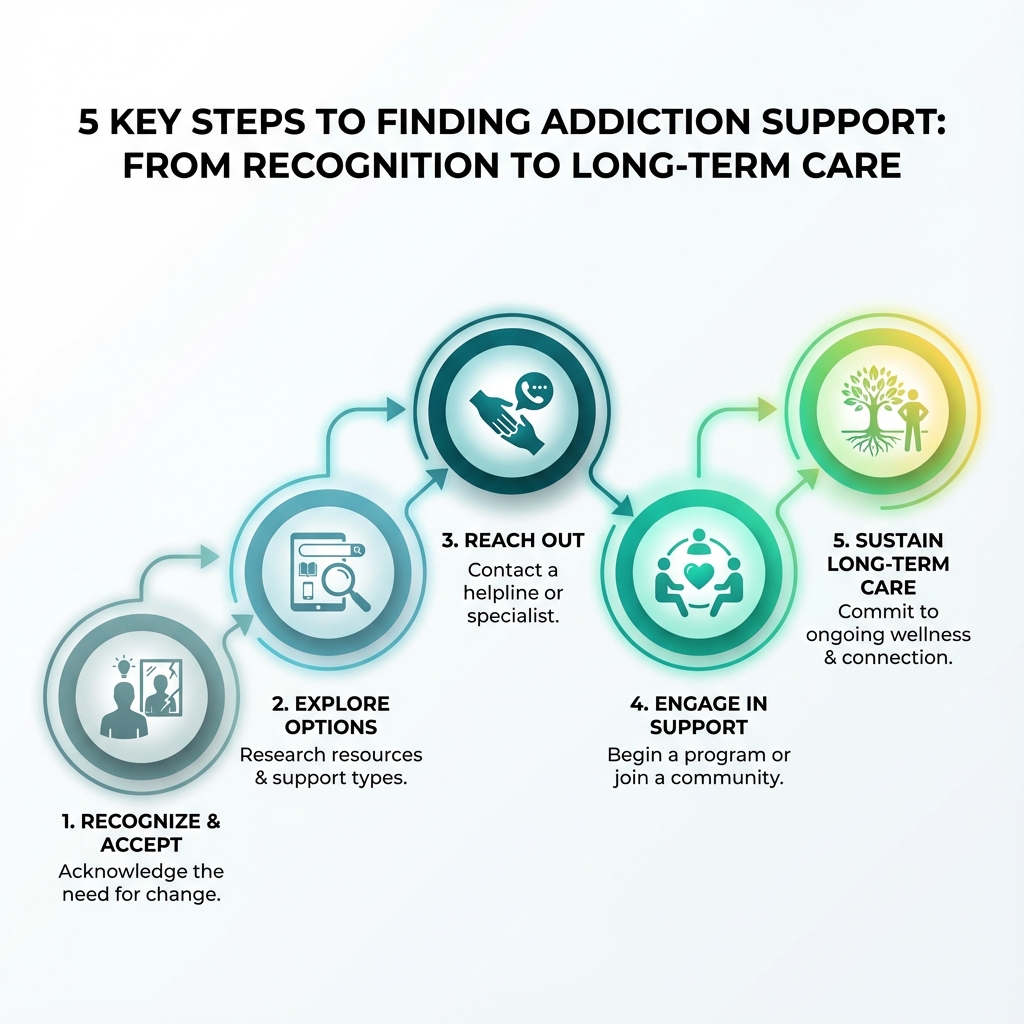
The Practical Steps to Finding Addiction Support
Finding the right behavioral health services can feel like a maze, but there are clear pathways to steer. We’ll guide you through the practical steps, from finding a provider to understanding insurance coverage.
How to Access and Pay for Services

Start with Your Primary Care Provider (PCP): Your family doctor is often the first and best point of contact. They can assess your overall health, discuss your concerns, and provide referrals to mental health professionals. They can also rule out any physical conditions that might be contributing to your symptoms.
- Understand Your Insurance Coverage:Health Insurance Marketplace: If you need insurance coverage, learn more about enrolling in Medicaid, Children’s Health Insurance Program (CHIP), or a Marketplace plan at HealthCare.gov.
- Medicaid/Medicare: These government programs cover behavioral health services. The Centers for Medicare & Medicaid Services (CMS) offers an online tool for finding Medicare providers. If you’re a Utah resident, the Utah Medicaid website provides information on covered services.
- Private Insurance: Contact your insurance provider directly. They can explain your benefits, deductibles, co-pays, and provide a list of in-network providers.
- Use Federal Resources:SAMHSA’s National Helpline: Call 1-800-662-HELP (4357) for confidential treatment referrals and information, 24/7. This helpline can connect you to local treatment facilities, support groups, and community-based organizations.
- FindTreatment.gov: This confidential and anonymous resource from SAMHSA helps individuals find treatment for mental and substance use disorders in the United States and its territories. You can search by location, type of treatment, and payment options.
- U.S. Department of Veterans Affairs (VA): For veterans, the VA provides extensive mental health resources. Use their online tool for finding VA locations and providers.
Explore National Organizations: Many national organizations offer directories and referral services:
- National Alliance on Mental Illness (NAMI): NAMI provides free, nationwide peer-support services. Call 1-800-950-NAMI (6264) Monday through Friday, 10 a.m. to 10 p.m. ET. They offer information, resource referrals, and support to people living with mental health conditions, their caregivers, and mental health providers.
- American Psychiatric Association: Find a Psychiatrist using their online directory.
- American Psychological Association: Find a Psychologist using their online locator.
- American Academy of Child and Adolescent Psychiatry: Use their Child and Adolescent Psychiatrist Finder for younger individuals.
- Psychology Today: Their Find a Therapist, Psychologist, Counselor directory is widely used.
Community Health Centers: These centers often provide low-cost or sliding-scale behavioral health services, especially for individuals without insurance. You can find one near you using the community health center locator.
Employee Assistance Programs (EAPs): Many employers offer EAPs, which provide free and confidential counseling services for employees and their families. Check with your HR department.
Preparing for Your First Appointment
The first appointment can feel daunting, but preparation can ease anxiety. We encourage you to ask questions and actively participate in your care.
- Prepare a List of Questions: This helps ensure you cover all your concerns and evaluate if the provider is a good fit. Questions might include:
- What experience do you have treating someone with my specific issue (e.g., addiction, anxiety, depression)?
- How do you usually approach treatment for this condition?
- How long do you expect treatment to last?
- Do you accept my insurance, or what are the costs involved?
- What are your policies regarding confidentiality and communication?
- Be Honest and Open: Providing accurate information about your symptoms, history, and goals will help the provider create the most effective treatment plan.
- Understand What to Expect: The first session often involves an initial assessment, where the provider gathers information about your background, symptoms, and treatment goals. It’s also an opportunity for you to ask questions and gauge your comfort level with the provider.
- Building a Therapeutic Relationship: A strong, trusting relationship with your provider is key to successful treatment. If you don’t feel comfortable after a few sessions, it’s okay to seek a different provider. You are an active participant in your recovery journey, and the first step is often finding confidential support that aligns with your needs.
Immediate Help: Crisis Hotlines and Emergency Resources
In times of acute distress or crisis, immediate access to support is critical. We want to ensure you have the numbers and resources you need for urgent situations.
Immediate Crisis Support Options:
- Emergency Services: Dial 911 for life-threatening situations, such as immediate danger to yourself or others, or severe medical emergencies.
- 988 Suicide & Crisis Lifeline: Call or text 988 or chat at 988lifeline.org for 24/7 confidential support to anyone in suicidal crisis or emotional distress. TTY users can use their preferred relay service or dial 711 then 988. The 988 Lifeline provides 24-hour, confidential support to anyone in suicidal crisis or emotional distress.
- SAMHSA’s National Helpline: Call 1-800-662-HELP (4357) for confidential treatment referrals and information, 24/7. This is a vital resource for connecting with behavioral health services.
- Veterans Crisis Line: Call 988 then press 1, or text 838255, or chat online at veteranscrisisline.net. This is a 24-hour, confidential resource that connects veterans with a trained responder; many responders are veterans themselves.
- The Trevor Project: Call 1-866-488-7386 for 24/7 crisis services for LGBTQ+ people. Their services are designed to provide immediate support and resources.
- Disaster Distress Helpline: Call or text 1-800-985-5990 for immediate crisis counseling for people experiencing emotional distress related to any natural or human-caused disaster. Deaf/Hard of Hearing ASL users can call via their videophone-enabled device or click on “ASL Now” at samhsa.gov/ddh.
- National Domestic Violence Hotline: Call 1-800-799-SAFE (7233) or text LOVEIS to 22522.
- National Sexual Assault Hotline: Call 1-800-656-HOPE (4673) or use their online chat.
- National Child Abuse Hotline: Call 1-800-4AChild (1-800-422-4453) or text 1-800-422-4453.
- New York HOPEline: Call 1-877-8-HOPENY or Text HOPENY (467369) for New York State-specific support related to substance use.
These resources are available to provide immediate support and guide you to further help when you need it most.
The Role of Community in Sustained Recovery
Recovery from addiction is rarely a solitary journey. The support of a community can be a powerful catalyst for healing and sustained well-being. We understand the importance of connection and shared experience.

Finding Addiction Support Through Peer Groups
Peer support groups are invaluable resources in behavioral health recovery. They offer a safe space where individuals facing similar challenges can share experiences, coping strategies, and encouragement without judgment.
- NAMI Support Groups: The National Alliance on Mental Illness (NAMI) provides free, nationwide peer-support services. With more than 650 state and local affiliates nationwide, NAMI offers a network of support groups for individuals living with mental health conditions and their families. These groups help reduce stigma and foster a sense of belonging. The NAMI HelpLine is a testament to their effectiveness, with 93% of users surveyed recommending it to others.
- Shared Experiences: Hearing from others who have steerd similar struggles can be incredibly validating and empowering. It reminds us that we are not alone in our journey.
- Building a Sober Network: For individuals in addiction recovery, peer support groups provide an essential network of sober individuals who can offer understanding, accountability, and encouragement.
- Gaining Information and Resources: Beyond emotional support, these groups often share practical information about local resources, treatment options, and coping mechanisms.
Support for Families and Caregivers
Addiction and behavioral health conditions affect not just the individual, but also their families and caregivers. These loved ones often experience significant stress, grief, and burnout. Providing support for them is crucial for their well-being and for fostering a supportive environment for the person in recovery.
- Resources for Loved Ones: Organizations like NAMI offer programs specifically designed for families. Their Family-to-Family program, for example, is an educational course for family members, partners, and friends of individuals living with mental health conditions.
- Learning to Support Recovery: Family support programs help caregivers understand the disease, learn effective communication strategies, set healthy boundaries, and steer the complexities of the healthcare system.
- Self-Care for Caregivers: It’s vital for caregivers to prioritize their own mental and physical health. Support groups for families provide a space to share their own struggles and find strategies for self-care.
- The Eldercare Locator: For families supporting older adults, The Eldercare Locator connects you to services for older adults and their families. Call 1-800-677-1116.
- Postpartum Support International (PSI): For new parents, Postpartum Support International – PSI offers resources for emotional changes during and after pregnancy.
The collective strength of community, both for individuals in recovery and their support systems, is a cornerstone of lasting behavioral health.
Take the First Step Toward Recovery Today
Recognizing the need for behavioral health support, understanding the types of services available, knowing how to access them, and embracing the power of community are all vital steps on the path to recovery. We want to reiterate that taking action is a sign of immense strength, not weakness.
There are various paths to recovery, and help is available and accessible for everyone, regardless of their circumstances. Millions of people have found healing and built fulfilling lives. We believe you can too.
For a direct, confidential line to discuss treatment options and find help, you can call (844) 491-5566. Support is available 24/7, so don’t hesitate to reach out to (844) 491-5566. A conversation with a caring specialist at (844) 491-5566 can be the first step on your journey. Call (844) 491-5566 today to explore your options. Professional support is just a phone call away at (844) 491-5566.

The Editorial Team at Healthcare Business Today is made up of experienced healthcare writers and editors, led by managing editor Daniel Casciato, who has over 25 years of experience in healthcare journalism. Since 1998, our team has delivered trusted, high-quality health and wellness content across numerous platforms.
Disclaimer: The content on this site is for general informational purposes only and is not intended as medical, legal, or financial advice. No content published here should be construed as a substitute for professional advice, diagnosis, or treatment. Always consult with a qualified healthcare or legal professional regarding your specific needs.
See our full disclaimer for more details.


