Understanding Addiction: A Treatable Chronic Condition
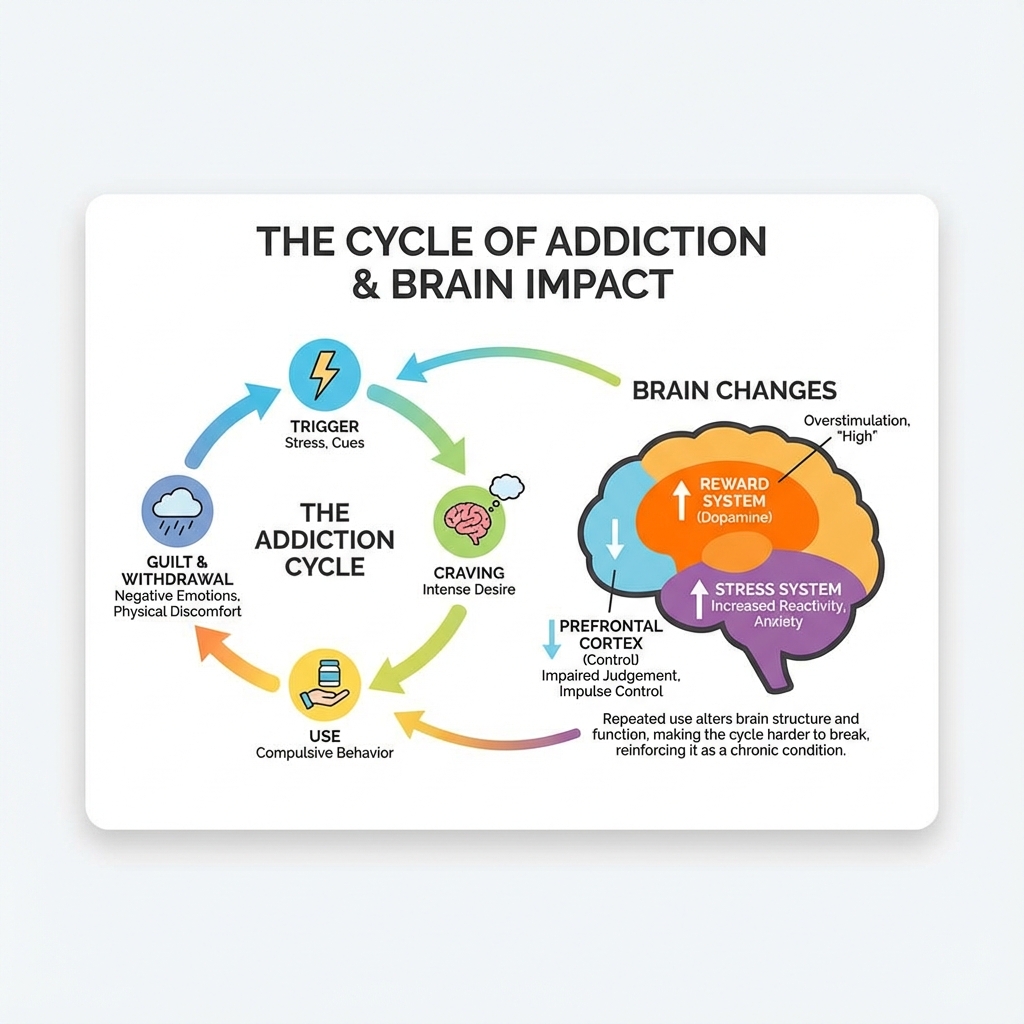
Addiction is often misunderstood, mistakenly viewed as a moral failing or a lack of willpower. However, extensive research has firmly established addiction as a complex, treatable chronic disease that affects brain function and behavior. Just like heart disease or asthma, it requires ongoing management and care. The brain changes that occur with addiction can lead to intense cravings and compulsive drug-seeking behavior, even in the face of devastating consequences.
A complex interplay of factors, including genetics, environment, and mental health, influences the development of addiction. For instance, over 50% of individuals with substance use disorders also experience co-occurring mental health problems, such as depression or anxiety. These conditions can significantly impact the addiction’s onset and progression. All substances with addictive potential stimulate the release of dopamine, a neurotransmitter associated with pleasure and reward, which reinforces the addictive cycle.
Recognizing the signs and symptoms of addiction is a critical first step. We often refer to the “4 Cs” of addiction:
- Craving: An intense desire for the substance.
- Control: Difficulty limiting substance use once it has started.
- Compulsion: A strong urge to use, despite knowing the negative consequences.
- Consequences: Continued use despite harmful effects on health, relationships, work, or finances.
Diagnosis typically involves a thorough assessment by mental health professionals, often using criteria from the Diagnostic and Statistical Manual of Mental Disorders (DSM-5). This evaluation helps to determine the severity of the substance use disorder and guide treatment planning. For more detailed information on the nature of addiction, the National Institute on Drug Abuse (NIDA) provides comprehensive resources on the Principles of Drug Addiction Treatment: A Research-Based Guide.
Several key principles guide effective addiction treatment: it must be individualized, readily accessible, and holistic, addressing the whole person rather than just the substance use. Recovery is a journey, and relapse, while challenging, is a common part of the process, not a sign of failure. It simply indicates a need to reassess and adjust the treatment plan, as with any other chronic condition. Understanding the intricate ways addiction impacts the brain can help us approach recovery with empathy and evidence-based strategies.
The Spectrum of Care: Levels of Addiction Treatment
When discussing addiction treatment, it’s crucial to distinguish between detoxification and therapy itself. Detox, or withdrawal management, focuses on safely removing substances from the body and managing acute withdrawal symptoms. While essential, detoxification alone is rarely sufficient for long-term recovery. It’s merely the first step, preparing an individual for the deeper work of addiction treatment.
Addiction treatment encompasses a broad range of programs and services, varying in intensity and setting, designed to address the physical, psychological, emotional, and social issues associated with substance use. These programs aim to help individuals stop using drugs, prevent relapse, and develop healthy coping mechanisms. The best approach is always custom to the individual’s specific needs.
Here are the main levels of care available:
- Inpatient Programs: These provide the most intensive level of care, with individuals residing at a facility 24 hours a day. They offer a structured, supportive environment that often includes medical supervision, individual and group therapy, and educational sessions. Inpatient treatment is ideal for those with severe addictions, co-occurring mental health disorders, or unstable home environments.
- Residential Treatment: Similar to inpatient programs, residential treatment involves living at a facility for an extended period, typically ranging from 21 days to several months. The focus is on immersive therapy, skill-building, and the development of a strong foundation for recovery in a community setting.
- Partial Hospitalization Programs (PHP): Often referred to as “day treatment,” PHPs offer intensive therapy and support during the day, with individuals returning home in the evenings. These programs typically involve 20 or more hours of treatment per week, providing a structured environment while allowing patients to maintain some connection to their daily lives.
- Intensive Outpatient Programs (IOP): IOPs provide a step down in intensity from PHPs, typically involving 9-20 hours of treatment per week. They offer flexibility, allowing individuals to continue working or attending school while receiving comprehensive therapy and support.
- Standard Outpatient Care: This is the least intensive level of treatment, involving regular therapy sessions (individual or group) on a less frequent basis, often less than 9 hours per week. It’s suitable for individuals with less severe addictions, those transitioning from more intensive programs, or those with strong support systems.
Effective treatment programs address the whole person, considering not only substance use but also medical, mental, social, occupational, family, and legal needs. A comprehensive approach ensures that all aspects of an individual’s life are supported during recovery. For example, extensive programs, such as Psyclarity addiction treatment options, often provide a full continuum of care from detox to outpatient services, highlighting the importance of integrated support.

Core Components: Evidence-Based Addiction Treatment Options
Modern addiction treatment is built upon a foundation of evidence-based practices, combining various therapeutic approaches and, where appropriate, medication. This multifaceted strategy ensures that individuals receive the most effective care for their unique circumstances.

The combination of medication and therapy is a cornerstone of modern recovery, and especially for those exploring opioid addiction treatment options, Medication-Assisted Treatment (MAT) is a critical component.
Behavioral Therapies: The Foundation of Recovery
Behavioral therapies are among the most common and effective forms of addiction treatment. They help individuals modify attitudes and behaviors related to drug use, develop healthy coping skills, and handle stressful situations and triggers. Research consistently shows that the therapeutic alliance – the relationship between the client and the therapist – is one of the strongest predictors of positive recovery outcomes.
Common behavioral therapies include:
- Cognitive-Behavioral Therapy (CBT): CBT helps individuals identify and challenge negative thought patterns and behaviors that contribute to substance use. It equips them with strategies to cope with cravings, manage triggers, and prevent relapse. CBT is highly effective and can be even more powerful when combined with medication or other types of behavioral therapy.
- Motivational Enhancement Therapy (MET) and Motivational Interviewing (MI): These approaches help individuals resolve their ambivalence about engaging in treatment and stopping drug use. MET aims to evoke rapid, internally motivated change, while MI focuses on strengthening a person’s motivation for change. Both are effective in helping patients remain engaged in treatment.
- Contingency Management (CM): CM uses positive reinforcement, providing tangible rewards or incentives for desired behaviors, such as negative drug tests or participation in therapy sessions. Research indicates that CM can significantly increase abstinence rates and help individuals stay in treatment.
- 12-Step Facilitation Therapy: This therapy is designed to increase the likelihood of a client becoming affiliated with and actively involved in 12-Step self-help groups like Alcoholics Anonymous (AA) or Narcotics Anonymous (NA). Research supports the efficacy of 12-Step facilitation therapy and the groups themselves in helping people maintain recovery.
- Family Therapy: Especially crucial for adolescents and young adults, family therapy involves family members in the treatment process. It addresses family dynamics that may contribute to substance use and helps improve communication and support within the family unit.
These therapies can be delivered in individual, group, or family settings, providing varied levels of support and interaction. Many individuals benefit from a combination of these approaches, custom to their evolving needs throughout recovery. Our team offers dedicated addiction counseling services to help individuals steer these complex challenges.
Medication-Assisted Treatment (MAT): A Key Tool for Recovery
Medication-Assisted Treatment (MAT) combines FDA-approved medications with counseling and behavioral therapies. MAT is particularly effective for certain types of addiction, reducing cravings, alleviating withdrawal symptoms, and preventing relapse. MAT is not simply replacing one addiction with another; it is a clinically proven, evidence-based approach to managing a chronic disease.
- Opioid Addiction: For individuals struggling with opioid use disorder (OUD), medications are often the first line of treatment.
- Methadone: A long-acting opioid agonist that reduces cravings and withdrawal symptoms and blocks the euphoric effects of other opioids. It is typically dispensed daily in a regulated clinic setting.
- Buprenorphine (often combined with naloxone as Suboxone): A partial opioid agonist that also reduces cravings and withdrawal symptoms. It can be prescribed by qualified physicians in office-based settings, increasing accessibility.
- Naltrexone (oral or injectable Vivitrol): An opioid antagonist that blocks the euphoric and sedative effects of opioids. It is non-addictive and can be a good option for individuals who have already detoxed.
- Alcohol Addiction: Medications can help individuals reduce or stop alcohol consumption.
- Naltrexone: Reduces alcohol cravings and the pleasurable effects of drinking.
- Acamprosate: Helps reduce symptoms of protracted withdrawal, such as insomnia and anxiety, that can make it difficult to maintain abstinence.
- Disulfiram: Causes an unpleasant physical reaction (nausea, vomiting, flushing) when alcohol is consumed, acting as a deterrent.
- Nicotine Addiction: Nicotine Replacement Therapies (NRTs): Patches, gum, lozenges, inhalers, and nasal sprays deliver nicotine to reduce withdrawal symptoms and cravings.
- Bupropion: An antidepressant that can reduce nicotine cravings and withdrawal symptoms.
- Varenicline: Works by reducing the pleasure derived from nicotine and easing withdrawal symptoms.
It’s critical to note that for addictions to substances like stimulants (e.g., cocaine, methamphetamine) or cannabis, no medications are currently available to assist directly in treatment. In these cases, treatment relies solely on behavioral therapies. The integration of drugs and therapy is a powerful combination that significantly improves treatment outcomes. To learn more about how MAT can support your journey, we encourage you to explore our beginner’s guide to Medication-Assisted Treatment or make an appointment today to discuss your options.
Harm Reduction: A Pragmatic Approach to Addiction Treatment Options
Harm reduction strategies are a public health approach focused on reducing the negative consequences associated with substance use, rather than solely demanding abstinence. This approach acknowledges that not everyone is ready or able to stop using substances immediately, and aims to keep individuals safer and healthier in the interim.
Examples of harm reduction include:
- Needle Exchange Programs: Providing clean needles and syringes to prevent the spread of infectious diseases like HIV and Hepatitis C among people who inject drugs.
- Naloxone Distribution: Making naloxone, an opioid overdose reversal medication, widely available to users and their communities.
- Fentanyl Test Strips: Allowing individuals to test their drugs for the presence of fentanyl, a potent opioid that can cause accidental overdose.
- Safe Consumption Sites: Supervised facilities where individuals can use pre-obtained drugs under medical supervision, with access to sterile equipment and overdose reversal services.
Harm reduction strategies can serve as a vital bridge to traditional treatment, building trust and providing opportunities for individuals to engage with healthcare services when they are ready. They are a compassionate and pragmatic approach to saving lives and improving health outcomes.
Beyond the Basics: Specialized Programs and Aftercare
Addiction rarely exists in isolation. Many individuals face co-occurring mental health disorders (often called a “dual diagnosis”), unique challenges related to their gender or age, or specific life circumstances. Effective treatment acknowledges these complexities and offers specialized programs and robust aftercare planning to ensure long-term success. Finding specialized care is crucial, and for instance, individuals seeking Nevada addiction treatment options can find programs custom to specific demographics and needs.

Custom Programs for Specific Populations
Tailoring treatment to an individual’s specific needs significantly improves outcomes:
- Co-occurring Disorders: When addiction co-occurs with mental health conditions like depression, anxiety, or PTSD, integrated treatment is essential. This means addressing both conditions simultaneously, as they often influence each other.
- Adolescents and Young Adults: Young people require treatment programs tailored to their developmental stage. Their brains are still developing, impacting decision-making and impulse control. Treatment often involves family therapy, school integration, and a focus on developing prosocial peer relationships. NIDA offers a valuable Principles of Adolescent Substance Use Disorder Treatment: A Research-Based Guide.
- Pregnant Women: Drug use during pregnancy poses significant risks to both mother and baby. Specialized programs for pregnant women focus on safe withdrawal, MAT (where appropriate, like buprenorphine for OUD), prenatal care, and support for maternal health and parenting skills.
- Veterans: Military service can expose individuals to trauma, leading to higher rates of PTSD and substance use disorders. Veteran-specific programs address these unique challenges, often integrating mental health services with addiction treatment and peer support.
- LGBTQ+ Individuals: This community often faces unique stressors, discrimination, and stigma, which can contribute to substance use. Specialized programs offer culturally competent care, addressing issues of identity, discrimination, and lack of support.
- Gender-Specific Programs: Some individuals benefit from programs designed exclusively for men or women, allowing them to address gender-specific issues, trauma, and societal pressures in a safe and supportive environment.
These custom approaches ensure that treatment is not only effective but also sensitive to the diverse experiences and needs of individuals seeking recovery.
The Importance of Aftercare and Continuing Support
Addiction is a chronic condition, and recovery is a lifelong journey. Therefore, aftercare and continuing support are paramount to preventing relapse and maintaining long-term sobriety. Even after completing initial treatment, ongoing support is crucial.
Key components of aftercare include:
- Relapse Prevention Planning: Developing strategies to identify triggers, cope with cravings, and manage high-risk situations.
- Sober Living Environments: These transitional residences provide a structured, drug-free environment for individuals transitioning from residential treatment to independent living. They offer accountability, peer support, and help with reintegration into society. Our resources on sober living can provide more insights.
- Recovery High Schools and Sober Dorms: For younger individuals, these provide educational environments that integrate academic instruction with recovery support services, helping them stay on track with both their education and sobriety. Resources like recoveryschools.org can help locate these specialized schools.
- Support Groups: Peer-led groups offer invaluable emotional support, shared experiences, and a sense of community.
- 12-Step Groups: Organizations like Alcoholics Anonymous (AA) and Narcotics Anonymous (NA) provide a structured program of recovery based on spiritual principles.
- Non-12-Step Groups: Alternatives like Self-Management and Recovery Training (SMART) focus on self-empowerment and cognitive-behavioral techniques.
- Ongoing Counseling: Continuing individual or group therapy sessions helps reinforce coping skills, address new challenges, and maintain accountability.
Aftercare is not an optional add-on; it’s an integral part of a successful recovery plan, providing the necessary tools and support to steer life’s challenges without returning to substance use.
Finding Help: How to Access Treatment and Support
Taking the first step toward seeking help for addiction can be daunting, but numerous resources are available to guide you. Understanding how to find treatment services, steer insurance, and access support is crucial.
Navigating Insurance and Costs for Addiction Treatment Options
The cost of addiction treatment can be a significant concern for many. However, it’s important to know that help is often more accessible than people realize:
- Affordable Care Act (ACA): The ACA mandates that most insurance carriers cover addiction treatment and mental health services as essential health benefits, on par with medical and surgical care. This means that your insurance plan likely covers a portion of treatment costs. To understand your options, it’s always advisable to verify your benefits directly with your provider. Our guides on insurance and pricing, and Medicaid Suboxone Treatment can offer further clarity.
- Private Insurance: Most private insurance plans cover various levels of addiction treatment, including inpatient, residential, PHP, and IOP.
- Medicaid/Medicare: These government-funded programs also cover addiction treatment services, particularly for low-income individuals, people with disabilities, and seniors.
- Sliding Scale Fees and Free/Low-Cost Options: Many treatment centers offer sliding scale fees based on income, and some non-profit organizations or government-funded programs provide free or low-cost treatment.
Don’t let financial concerns deter you from seeking help. Many providers and resources can help you understand your coverage and find affordable options.
Resources for Finding Quality Care
Finding the right treatment program requires careful consideration. Here are some valuable resources and questions to guide your search:
- SAMHSA’s National Helpline & FindTreatment.gov: The Substance Abuse and Mental Health Services Administration (SAMHSA) offers a confidential national helpline (1-800-662-HELP) and an online treatment locator (FindTreatment.gov). These resources can help you find local treatment facilities, support groups, and community-based organizations.
- State Health Departments: Your state’s health department or mental health/substance abuse services agency can provide information on licensed facilities and publicly funded programs.
- Primary Care Physician (PCP): Your doctor can be an excellent first point of contact, offering referrals to specialists or treatment programs.
- Questions to Ask a Potential Treatment Provider: Is the program licensed and accredited?
- What evidence-based therapies do they use?
- Do they offer Medication-Assisted Treatment (MAT) if appropriate for your needs?
- How do they address co-occurring mental health disorders?
- What is their staff-to-patient ratio?
- What is their approach to aftercare and relapse prevention?
- What is the cost, and do they accept your insurance?
- Can they provide references or testimonials?
Asking for help is a sign of strength. Resources like ConnexOntario and local CMHA branches also offer support and information. Reaching out to a trusted professional or support service is the most crucial step on the path to recovery.
Frequently Asked Questions about Addiction Treatment
We understand that you may have many questions as you steer the complex world of addiction treatment. Here, we address some of the most common inquiries.
Can addiction really be cured?
This is one of the most common questions, and the answer is nuanced. Addiction is best understood as a manageable chronic illness, similar to other long-term conditions like diabetes, hypertension, or asthma. While there isn’t a “cure” in the sense of completely eradicating the disease, addiction can be successfully managed, allowing individuals to live healthy, fulfilling, and drug-free lives.
The focus of addiction treatment is on long-term recovery management. This involves learning coping strategies, addressing underlying issues, building a strong support system, and making sustained lifestyle changes. Just as someone with diabetes manages their condition through diet, exercise, and medication, an individual in recovery manages their addiction through ongoing treatment, therapy, and support. With effective treatment, individuals can achieve sustained remission and significantly improve their quality of life.
What if I relapse? Does that mean treatment failed?
Absolutely not. Relapse is a common, though challenging, part of the recovery process for many individuals. It does not mean that treatment has failed, nor does it signify a lack of willpower or moral weakness. In fact, relapse rates for drug use are similar to those for other chronic medical illnesses. For example, relapse rates for hypertension and asthma are often comparable to those for drug addiction.
Viewing relapse as a setback rather than a failure is crucial. It serves as an opportunity to reassess the current treatment plan, identify what went wrong, and adjust strategies. It might indicate a need for more intensive therapy, a change in medication, or a stronger support system. The most important response to a relapse is to re-engage with treatment and support services immediately. This proactive approach can prevent a brief slip from escalating into a full-blown return to substance use.
How long does addiction treatment take?
There is no one-size-fits-all answer to how long addiction treatment takes, as it varies significantly based on individual needs, the severity of the addiction, the presence of co-occurring disorders, and the type of substance used. Recovery is a highly individualized journey.
However, research provides some general guidelines. Studies indicate that most addicted individuals need at least 3 months in treatment to significantly reduce or stop their drug use and begin to see positive changes. For some, particularly those with severe or long-standing addictions, treatment may need to last much longer, even a year or more. For example, individuals on methadone maintenance for opioid use disorder may benefit from therapy for several years.
It’s also important to remember that initial treatment is often just the beginning. Long-term or repeated care, including aftercare programs, ongoing therapy, and participation in support groups, is frequently necessary for sustained abstinence and recovery. The duration of treatment is best determined by a qualified healthcare professional in consultation with the individual, with an emphasis on what is most effective for achieving lasting recovery.
This article was medically reviewed by Chad Elkin, MD, DFASAM, a board-certified addiction medicine physician, founder, and Chief Medical Officer of National Addiction Specialists, dedicated to treating substance use disorders. A Distinguished Fellow of the American Society of Addiction Medicine (ASAM), Dr Elkin currently serves as President of the Tennessee Society of Addiction Medicine (TNSAM) and has held various leadership roles within the organization. Dr Elkin chairs ASAM’s Health Technology Subcommittee and is an active member of its Practice Management and Regulatory Affairs Committee, State Advocacy and Legislative Affairs Committee, and other committees. He also serves on the planning committee for the Vanderbilt Mid-South Addiction Conference. Committed to advancing evidence-based policy, Dr Elkin is Chairman of the Tennessee Association of Alcohol, Drug, & Other Addiction Services (TAADAS) Addiction Medicine Council, which collaborates with the TN Department of Mental Health & Substance Abuse Services (TDMHSAS). He has contributed to numerous local, state, and national task forces, helping develop professional guidelines, policies, and laws that align with best practices in addiction medicine. His work focuses on reducing addiction-related harm, combating stigma, and ensuring access to effective treatment. Passionate about addiction medicine, he remains dedicated to shaping policy and enhancing patient care.
Suboxone® and Subutex® are registered trademarks of Indivior UK Limited. Any mention and reference of Suboxone® and Subutex® on this website is for informational purposes only and is not an endorsement or sponsorship by Indivior UK Limited.

The Editorial Team at Healthcare Business Today is made up of experienced healthcare writers and editors, led by managing editor Daniel Casciato, who has over 25 years of experience in healthcare journalism. Since 1998, our team has delivered trusted, high-quality health and wellness content across numerous platforms.
Disclaimer: The content on this site is for general informational purposes only and is not intended as medical, legal, or financial advice. No content published here should be construed as a substitute for professional advice, diagnosis, or treatment. Always consult with a qualified healthcare or legal professional regarding your specific needs.
See our full disclaimer for more details.