
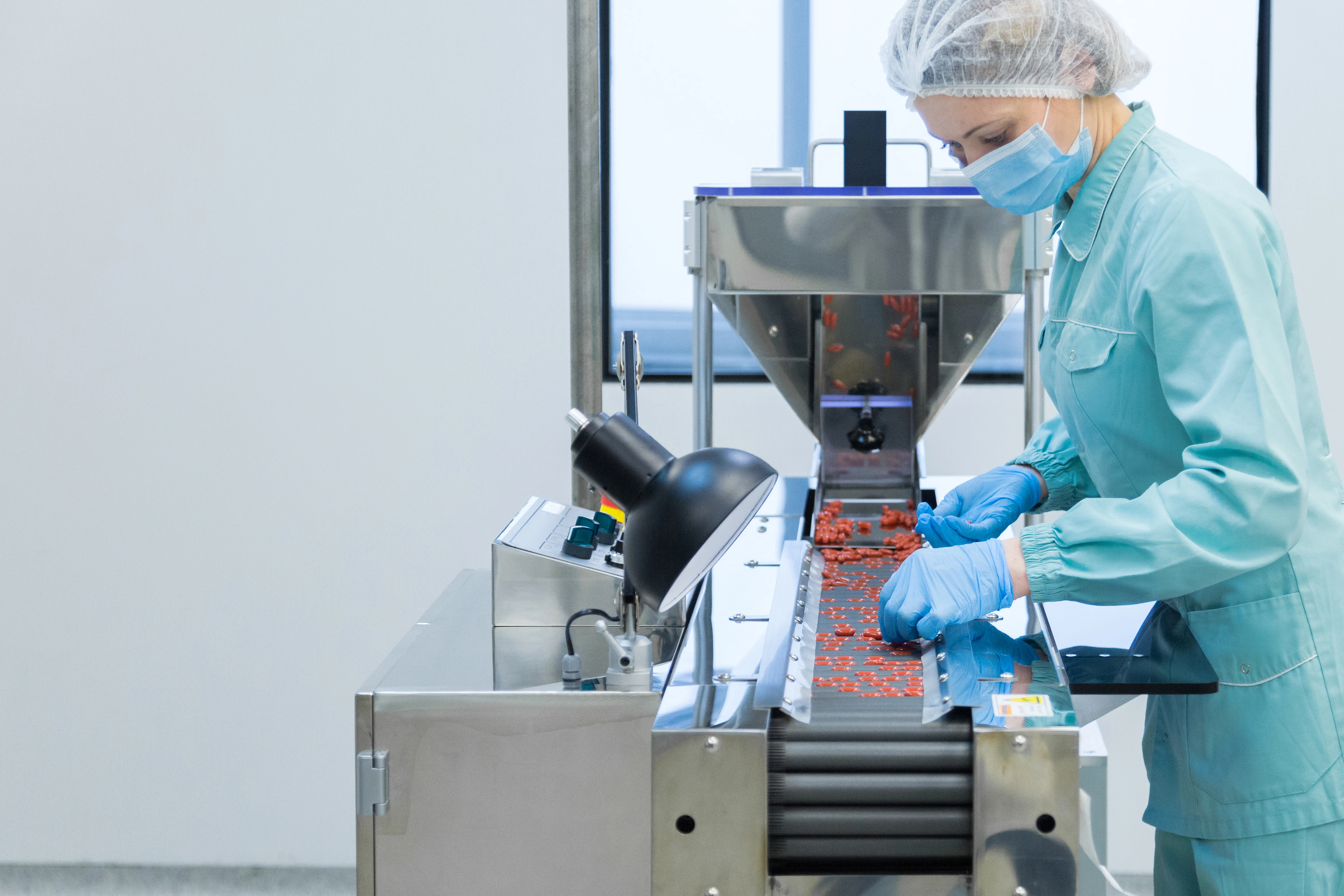
Consumers today expect more than attractive packaging and marketing claims when purchasing dietary supplements. Increasingly, they want evidence that products are manufactured under appropriate quality systems, supported by transparent documentation, and produced using consistent manufacturing practices.
For healthcare professionals, retailers, and responsible manufacturers, manufacturing transparency has become an important factor in building long-term consumer trust.
Although this discussion applies across the dietary supplement industry, it is particularly relevant for specialized formulations that contain naturally derived ingredients, including botanical extracts, marine ingredients, and animal-derived ingredients such as deer placenta.
Consumer Expectations Continue to Rise
The dietary supplement market has grown rapidly over the past decade. Alongside that growth has come greater consumer awareness of product quality, ingredient sourcing, manufacturing standards, and independent laboratory verification.
Rather than relying solely on product claims, many consumers now review:
- Country of manufacture
- Ingredient transparency
- Manufacturing certifications
- Batch testing
- Third-party laboratory reports
- Company transparency
These factors help consumers compare products using objective information rather than marketing alone.
Quality Begins with Raw Material Selection
Quality assurance starts long before a finished supplement reaches consumers.
Manufacturers should establish procedures for evaluating raw materials, verifying supplier documentation, and maintaining ingredient traceability throughout production.
For products containing naturally derived ingredients, additional attention may be given to sourcing practices, handling procedures, and production consistency.
Manufacturing Standards Support Consistency
Modern dietary supplement production typically follows structured manufacturing systems designed to improve consistency between production batches.
Depending on the manufacturing facility and jurisdiction, these systems may include:
- Good Manufacturing Practices (GMP)
- Hazard Analysis and Critical Control Point (HACCP)
- Risk-based quality management
- Batch documentation
- Process verification
These systems do not guarantee product performance, but they help support manufacturing consistency and product quality.
The Role of Independent Laboratory Testing
Independent laboratory testing has become an increasingly important component of quality assurance.
Manufacturers may voluntarily commission third-party laboratories to verify selected aspects of finished products, such as:
- Identity of selected ingredients
- Microbiological quality
- Heavy metals
- Residual solvents
- Selected contaminants
- Other quality parameters, depending on the product
Third-party testing can improve transparency by providing independent analytical information in addition to internal quality controls.
Traceability Improves Consumer Confidence
Traceability allows manufacturers to identify the origin of ingredients and production batches throughout the manufacturing process.
Documented traceability systems support:
- Batch identification
- Quality investigations
- Product consistency
- Corrective actions when necessary
As consumer expectations continue to evolve, transparent documentation has become an increasingly valuable component of responsible manufacturing.
Transparency Beyond the Label
Responsible manufacturers increasingly publish educational information explaining how their products are formulated, manufactured, and tested.
This approach helps consumers better understand the manufacturing process rather than relying only on marketing language.
Educational resources discussing manufacturing practices and quality considerations can improve consumer understanding of specialized supplement categories, including naturally derived ingredients such as deer placenta.
Looking Ahead
The dietary supplement industry continues to place greater emphasis on transparency, quality systems, and independent verification.
For manufacturers, healthcare professionals, and consumers alike, manufacturing quality is no longer limited to the finished product—it includes sourcing, production, testing, documentation, and open communication throughout the product lifecycle.
Readers interested in learning more about manufacturing processes and quality considerations for deer placenta supplements can explore this educational resource: How Deer Placenta Supplements Are Manufactured and Tested

The Editorial Team at Healthcare Business Today is made up of experienced healthcare writers and editors, led by managing editor Daniel Casciato, who has over 25 years of experience in healthcare journalism. Since 1998, our team has delivered trusted, high-quality health and wellness content across numerous platforms.
Disclaimer: The content on this site is for general informational purposes only and is not intended as medical, legal, or financial advice. No content published here should be construed as a substitute for professional advice, diagnosis, or treatment. Always consult with a qualified healthcare or legal professional regarding your specific needs.
See our full disclaimer for more details.


