Key Takeaways
- Addiction is often driven by underlying psychological, emotional, and social factors such as trauma, stress, and mental health disorders.
- Addressing root causes through therapy is essential for long-term and meaningful recovery.
- Cognitive Behavioral Therapy (CBT) helps change harmful thought patterns that contribute to addiction and relapse.
- Family therapy strengthens communication and support systems, improving recovery outcomes.
- Trauma-focused therapies help individuals process unresolved experiences that may fuel substance use.
- Holistic approaches support recovery by addressing emotional, physical, and creative well-being.
- Dual diagnosis treatment is critical for individuals dealing with both addiction and co-occurring mental health conditions.
Understanding the Underlying Factors of Addiction
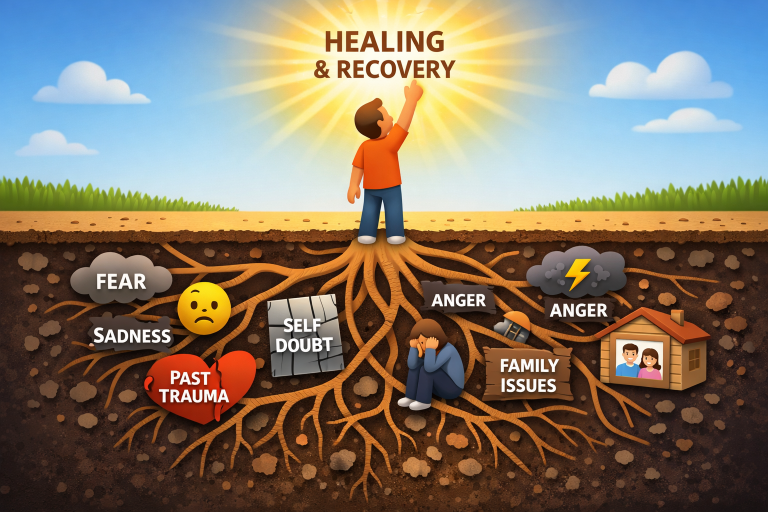
Addiction rarely develops in a vacuum. Instead, it usually stems from a mix of psychological, emotional, and social issues that go deeper than substance misuse alone. Factors such as unresolved trauma, ongoing life stress, and underlying mental health disorders like depression and anxiety all play significant roles in shaping addictive behaviors. Recognizing these hidden drivers is essential for anyone seeking authentic, lifelong recovery.
Seeking professional support through therapy can be a transformative step forward for those navigating addiction. Whether working with an individual therapist or considering rehab in Nashville, therapy creates a structured and safe environment where people can confront the deeper causes fueling their behaviors. This process often leads to profound insight and practical strategies for change.
By helping clients pinpoint the origins of their struggles, therapy lays the foundation for more effective treatment strategies. This clarity allows them to address not only symptoms of addiction but also the core emotional pain or cognitive dysfunction that underlies their substance use patterns. As a result, therapy becomes an integral part of any comprehensive recovery plan.
The Role of Therapy in Uncovering Root Causes
Therapy offers a unique opportunity to engage in self-exploration and emotional healing in a safe space. Through a blend of talk therapy, evidence-based techniques, and structured programs, individuals can identify their unique triggers, challenge unhealthy thinking patterns, and develop positive coping mechanisms. Therapists support this journey by helping clients recognize connections between their current behaviors and past experiences, which is critical for breaking addiction’s grip. Techniques such as motivational interviewing, mindfulness-based methods, and behavioral therapies are often used in tandem to support broader change. This multifaceted approach allows each person to receive care that is tailored to their specific background and needs.
Cognitive Behavioral Therapy (CBT): Changing Thought Patterns
Cognitive Behavioral Therapy, or CBT, remains one of the most effective therapeutic methods for addiction recovery. CBT works by exposing and challenging the negative thought patterns and beliefs that contribute to substance use. It allows individuals to recognize distorted thinking, learn healthier ways to cope with stress, and develop practical skills for daily life. By addressing these patterns head-on, those in recovery can transform how they react to cravings and high-risk situations. Multiple studies confirm that CBT significantly reduces relapse rates because it directly focuses on the thinking processes that perpetuate addictive behaviors.
Family Therapy: Healing Relationships
Family relationships often shape how addiction develops and persists. Family therapy is designed to address relational issues by improving communication, reducing conflict, and clarifying misunderstood roles within the family unit. By inviting family members into the recovery process, therapy helps to address the underlying dysfunction that might otherwise sabotage progress. It also builds a more reliable, understanding support system for lasting change. When families heal together, individuals are less likely to return to old patterns, and their chances for maintaining sobriety improve exponentially.
Addressing Trauma Through Therapy
Many people facing addiction have survived traumatic experiences that leave a lasting impact on their mental health. Unprocessed trauma can amplify the urge to self-medicate with substances. Therapeutic models like Eye Movement Desensitization and Reprocessing (EMDR) and trauma-focused cognitive therapy target these troubling memories, helping individuals process their pain in healthy, manageable ways. This approach relieves emotional distress and reduces the risk that trauma will trigger substance use in the future. As research shows, treating trauma alongside addiction leads to better outcomes and more sustainable recovery.
Holistic Approaches: Treating the Whole Person
Lasting addiction recovery goes beyond the mind and emotions to include creativity, connection, and physical well-being. Holistic therapies such as art therapy, animal-assisted interventions, and adventure therapy provide varied and engaging ways for people to heal. These approaches foster emotional expression, build self-confidence, and create new pathways for growth. In combination with traditional therapies, holistic treatment acknowledges the multidimensional nature of healing and supports well-rounded recovery.
Dual Diagnosis Treatment: Integrating Mental Health Care
Many individuals with substance use disorders also struggle with co-occurring mental health conditions such as anxiety, bipolar disorder, or PTSD. Dual diagnosis treatment provides integrated care that addresses both substance use and mental health simultaneously. This comprehensive approach ensures that underlying issues are not left untreated, greatly increasing the likelihood of lasting change. Incorporating psychiatric support, medication management, and tailored therapeutic interventions, dual diagnosis treatment is essential for individuals with complex needs.
Final Thoughts
Therapy is a powerful tool for anyone seeking to address the root causes of addiction. By providing a supportive environment, a variety of evidence-based tools, and collaborative family involvement, therapy enables individuals to heal the wounds that lie beneath addiction. Comprehensive treatment ultimately supports healthier choices, improves relationships, and fosters true resilience. As more people address the underlying issues driving addiction, therapy remains a key factor in building brighter, healthier futures.

The Editorial Team at Healthcare Business Today is made up of experienced healthcare writers and editors, led by managing editor Daniel Casciato, who has over 25 years of experience in healthcare journalism. Since 1998, our team has delivered trusted, high-quality health and wellness content across numerous platforms.
Disclaimer: The content on this site is for general informational purposes only and is not intended as medical, legal, or financial advice. No content published here should be construed as a substitute for professional advice, diagnosis, or treatment. Always consult with a qualified healthcare or legal professional regarding your specific needs.
See our full disclaimer for more details.