Proper posture is essential for health and comfort, but with today’s sedentary lifestyles and long hours spent in front of screens, many individuals struggle to maintain optimal alignment. These postural challenges often lead to chronic discomfort, headaches, and restricted movement. Exploring the role of chiropractic adjustments offers valuable insight into how postural health can be restored non-invasively.
Posture is more than just standing tall; it affects how our bodies function daily. When spinal alignment suffers, muscles and joints are placed under stress, leading to problems ranging from back and neck pain to stiffness and fatigue. This strain, whether caused by years of desk work or improper ergonomics at home, can greatly disrupt one’s quality of life. Many people dismiss posture struggles until discomfort worsens, impacting activities they once enjoyed and even interfering with restful sleep. Options like a chiropractor near me provide easy access to professional care for those seeking relief from ongoing pain and poor posture.
Left unchecked, the consequences of postural misalignments can escalate. Individuals may notice headaches becoming more frequent, shoulder tension that will not disappear, or even tingling in the hands and feet. These symptoms often point not just to localized issues, but to broader problems with how the musculoskeletal system supports the rest of the body. Over time, poor posture can affect everything from digestion to energy levels, making its correction a health priority.
Chiropractic care directly addresses these postural challenges by focusing on the spine and related structures. Trained chiropractors evaluate the source of discomfort and use hands-on adjustments to promote optimal alignment. Adjustments often deliver both immediate relief and long-term improvements in mobility, enabling people to live their daily lives with less pain and more confidence.
Understanding the Impact of Poor Posture
Poor posture, whether standing, sitting, or sleeping, can quietly undermine overall health. Extended periods of hunching, slouching, or neck craning can cause muscle imbalances, joint strain, and persistent pain. According to Harvard Health Publishing, poor posture not only strains the musculoskeletal system but can also hinder lung capacity, digestive efficiency, and circulation.
Back pain and neck stiffness are common outcomes of postural neglect, but many people also experience headaches or jaw discomfort rooted in spinal misalignments. This ripple effect highlights the importance of addressing posture beyond immediate discomfort, as correcting the underlying structure can have widespread health benefits.
The Role of Chiropractic Adjustments
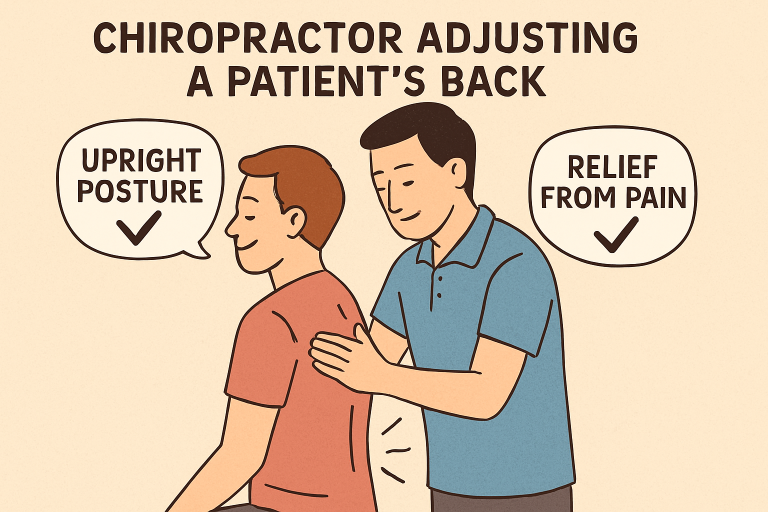
Chiropractic adjustments are vital for holistic musculoskeletal care, targeting joint movement, tension release, and vertebral realignment. They address chronic pain and poor posture by correcting spinal misalignments, or subluxations, which hinder nerve communication with muscles and organs. By applying controlled force, chiropractors restore joint alignment, alleviate discomfort, and stabilize the spine for improved posture. Additionally, these adjustments relieve muscle tension, aiding in restoring natural movement and maintaining a neutral posture with less exertion.
Benefits Beyond Posture Improvement
While spinal alignment is key, the effects of chiropractic adjustments often extend far beyond posture. Some of the most widely reported benefits include:
- Pain Relief: Reducing pressure on nerves and soft tissues can alleviate chronic back, neck, and shoulder pain, offering long-lasting relief for many patients.
- Enhanced Mobility: Restored spinal function improves joint range of motion, supporting an active lifestyle and reducing the risk of injury.
- Better Circulation: When posture improves, blood vessels are less likely to be compressed, allowing for more efficient circulation and nutrient delivery throughout the body.
- Increased Energy Levels: With less pain and improved body mechanics, individuals often notice reduced fatigue and increased daily energy.
Integrating Chiropractic Care with Lifestyle Changes
Lasting results from chiropractic adjustments come from more than in-office treatments. Building habits that support posture, such as standing desks, ergonomic chairs, and regular stretching, can maximize the benefits of professional care. Regular exercise, focusing on core strength and flexibility, also helps the body hold its alignment more easily, reducing the likelihood of misalignments recurring. Educating oneself on good ergonomic practices is crucial in sustaining health gains from chiropractic visits.
Scientific Support for Chiropractic Care
A growing body of research highlights the value of chiropractic care in treating musculoskeletal problems and enhancing postural health. For example, a study in the Journal of Chiropractic Medicine demonstrates that targeted chiropractic interventions can improve spinal biomechanics and facilitate better movement patterns. These improvements are associated with pain reduction and diminished reliance on medication for chronic back issues.
Conclusion
Chiropractic adjustments offer an effective, non-invasive way to combat the consequences of poor posture and chronic pain. By correcting spinal misalignments and easing muscle tension, chiropractic care addresses the source of discomfort and supports lasting postural health. Integrating these treatments with mindful lifestyle changes can amplify their benefits, providing individuals with a foundation for a more comfortable, energetic, and healthy life.

The Editorial Team at Healthcare Business Today is made up of experienced healthcare writers and editors, led by managing editor Daniel Casciato, who has over 25 years of experience in healthcare journalism. Since 1998, our team has delivered trusted, high-quality health and wellness content across numerous platforms.
Disclaimer: The content on this site is for general informational purposes only and is not intended as medical, legal, or financial advice. No content published here should be construed as a substitute for professional advice, diagnosis, or treatment. Always consult with a qualified healthcare or legal professional regarding your specific needs.
See our full disclaimer for more details.