
Key Takeaways
- Plant-based diets with inventive meat alternatives are reshaping how we view protein and sustainability.
- Functional ingredients that provide added health benefits are becoming everyday staples.
- Sustainability, both in packaging and sourcing, is increasingly important in purchasing decisions.
- Rediscovered traditional techniques and global influences are adding variety and nutrition to daily meals.
Today’s evolving food landscape means making choices that are not just delicious but support our personal well-being, environmental responsibility, and a thriving local community. With consumers increasingly driven by a desire for wellness and transparency, the demand for clean-label products and fresh ingredients is at an all-time high. Many shoppers are turning to trusted markets, such as a grocery store, to explore these emerging trends and incorporate healthier foods into their diets.
Alongside improvements in personal health, there’s also a notable movement towards mindful sourcing, lower carbon footprints, and innovative culinary experiences. From plant-based eating to heritage cooking methods, today’s trends unite diverse eating habits with wellness goals and planet-first initiatives. Consumers seeking up-to-date insights and practical tips can find ample opportunities in this dynamic landscape.
Plant-Based Innovations
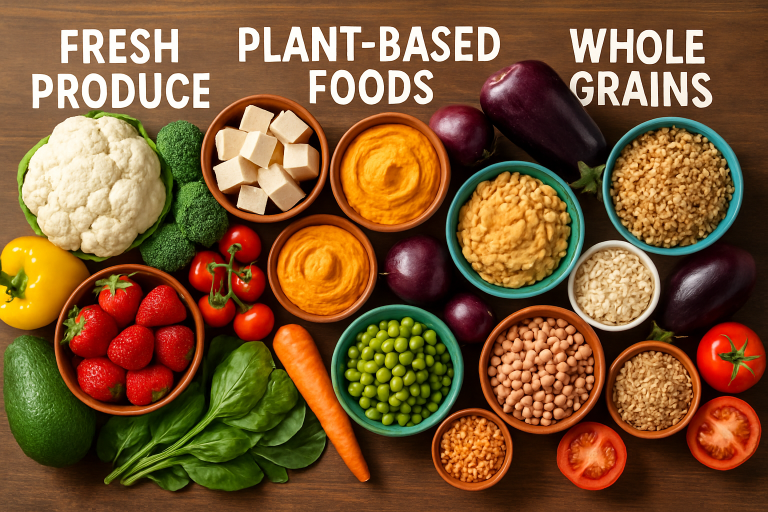
The shift towards plant-based eating has fueled a boom in the development of meat and dairy alternatives. Food innovators are using mushrooms, legumes, chickpeas, and even algae to replicate the taste, texture, and nutritional benefits of meat. These advances address consumer concerns about both personal health, such as reducing cholesterol and saturated fat intake, and environmental sustainability.
Flexitarians, vegetarians, and omnivores alike are experimenting with new protein sources, often discovering that these alternatives can be just as satisfying as their traditional counterparts. This plant-forward approach is also making its way into prepared foods like burgers, sausages, and even seafood alternatives, empowering shoppers to choose options with fewer artificial additives and a lower ecological impact.
Functional Foods on the Rise
Consumers are now looking for more than just basic nutrition; many products highlight ingredients that support immunity, brain health, or gut health. Functional foods featuring high fiber content, adaptogenic mushrooms (like lion’s mane and reishi), probiotics, and omega-3-rich seeds have become increasingly popular on store shelves. These options are not only tasty but also support longer-term health goals, such as enhanced digestion and improved energy.
Brands are responding by reformulating snacks, beverages, cereals, and breads to incorporate these “superfoods.” Items such as fiber-rich pastas, kombucha, and mushroom coffee blends are appearing in mainstream supermarkets, bridging convenience and wellness.
Sustainable Practices in Packaging
With mounting concern over plastic pollution, both consumers and retailers are prioritizing eco-friendly packaging. Compostable, recyclable, and reusable materials are becoming standard across fresh produce, take-home meals, and pantry staples. Companies are also reducing overall excess packaging, reflecting a broader cultural acknowledgment of climate change and the need for collective action.
Innovations extend beyond the package itself; there is also a trending focus on ethical sourcing, carbon-neutral operations, and minimizing food waste throughout the supply chain. People are choosing brands that take measurable steps to reduce their impact, reinforcing the principle that sustainability matters from farm to table.
Embracing Traditional Cooking Techniques
Home cooks and chefs alike are rediscovering time-honored food preparation methods for both their health-promoting and culinary qualities. Fermentation, pickling, sprouting, and smoking not only enhance flavor and preserve nutrients but also help maintain a more varied and exciting diet. These methods, once integral to local food cultures, are being revived and seamlessly integrated into modern kitchens.
Fermented foods like kimchi, miso, sauerkraut, and kefir are now recognized for their probiotic benefits, promoting gut health and immune support. Smoking and drying, meanwhile, can impart rich flavors while extending the shelf life of whole foods, helping reduce food waste, and increasing ingredient versatility in home cooking.
Global Flavors and Culinary Diversity
Modern eaters are adventurous, embracing diverse cuisines and new ingredients to expand their palates and boost their nutritional intake. Staples such as gochujang, yuzu, harissa, and za’atar are transforming traditional meals and becoming regular finds in North American kitchens. This growing interest in international flavors has health benefits, too, as many global diets, like Mediterranean, Japanese, and West African, are rich in whole grains, healthy fats, and unique fermented foods.
By exploring global cuisines, families can diversify their meals, benefit from new sources of fiber, vitamins, and minerals, and create a more enjoyable mealtime experience.
Supporting Local and Seasonal Produce
Shopping locally and choosing in-season fruit and vegetables contributes to fresher meals and a smaller environmental footprint. Freshly picked produce tends to be more flavorful and nutrient-dense than its off-season counterparts, and buying from nearby farmers also means fewer food miles and less packaging.
Community-supported agriculture (CSA) programs and farmers’ markets are making it easy for households to access local options, deepen connections with growers, and experience the variety of seasonal eating. Supporting these outlets bolsters local economies while bringing fresher, healthier food to the table.
Final Thoughts
Today’s fresh food trends invite everyone to celebrate health, sustainability, and culinary exploration. Embracing plant-based alternatives, functional ingredients, forward-thinking packaging, global flavors, and local fare offers a pathway to better eating and a lighter environmental impact. By staying informed and making mindful choices, individuals can create vibrant, nutritious meals that support both personal and planetary well-being.

The Editorial Team at Healthcare Business Today is made up of experienced healthcare writers and editors, led by managing editor Daniel Casciato, who has over 25 years of experience in healthcare journalism. Since 1998, our team has delivered trusted, high-quality health and wellness content across numerous platforms.
Disclaimer: The content on this site is for general informational purposes only and is not intended as medical, legal, or financial advice. No content published here should be construed as a substitute for professional advice, diagnosis, or treatment. Always consult with a qualified healthcare or legal professional regarding your specific needs.
See our full disclaimer for more details.


