
Key Takeaways
- Missing teeth can cause chewing and speech problems and may lead to jawbone loss.
- Dental implants act as artificial tooth roots, restoring function and appearance.
- Implants do not affect neighboring teeth and help preserve bone.
- They have a high success rate and can last many years with proper care.
- Good oral hygiene, overall health, and sufficient bone are important for implant success.
- While the cost may be higher initially, implants are long-lasting and cost-effective over time.
- Consulting a dental professional ensures the best results and proper treatment plan.
Understanding the Impact of Missing Teeth
Missing teeth can have a profound impact on overall oral health and daily life. Beyond creating difficulty in chewing and eating, they can affect speech clarity, making it harder to pronounce certain words correctly. Over time, tooth loss can also lead to jawbone deterioration, as the absence of natural tooth roots reduces stimulation to the bone, causing it to weaken and shrink. This bone loss can change the shape of the face, leading to a sunken appearance and affecting facial aesthetics. Promptly addressing missing teeth is essential not only to restore proper function and appearance but also to prevent further oral health complications. Early intervention helps maintain jawbone integrity, supports surrounding teeth, and improves overall confidence and quality of life.
What Are Dental Implants?
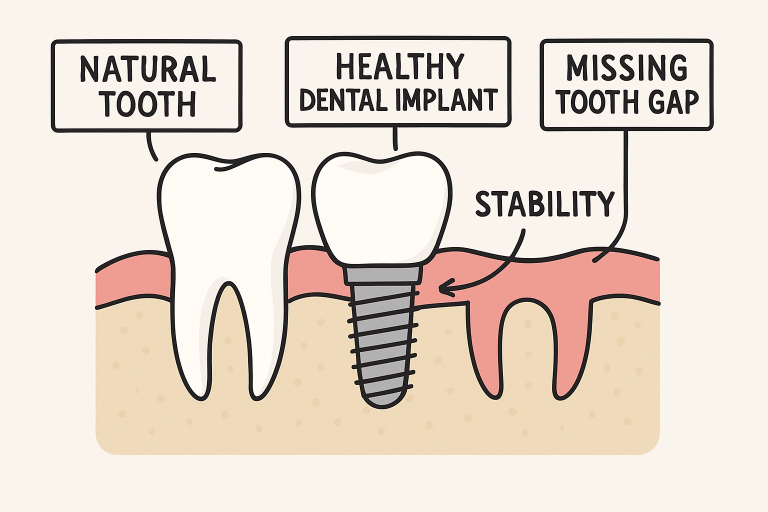
Dental implants are artificial tooth roots, typically made of titanium, surgically placed into the jawbone. They provide a stable foundation for replacement teeth, closely mimicking natural tooth function and appearance. For those considering dental implants, New You Smile in St. Louis offers advanced surgical solutions in a modern, welcoming environment. Their experienced team specializes in comprehensive dental implant treatment plans, ensuring patients receive exceptional care under one roof.
Comparing Dental Implants to Other Tooth Replacement Options
When considering tooth replacement, it’s essential to evaluate the available options:
- Dental Bridges: Require altering adjacent healthy teeth to support the bridge, which can weaken them over time. They do not prevent jawbone loss and may need replacement every 5-15 years.
- Removable Dentures: Can be less stable, may cause discomfort, and often require periodic adjustments or replacements. They also do not prevent bone loss in the jaw.
- Dental Implants: Do not affect neighboring teeth, help preserve jawbone integrity, and have a high success rate, often lasting a lifetime with proper care.
Success Rates and Longevity of Dental Implants
Dental implants boast a success rate of over 95%, making them one of the most reliable dental procedures available. With proper care, they can last up to 25 years or more, offering a durable and long-term solution for tooth loss.
Factors Influencing Dental Implant Success
Several factors can impact the success of dental implants:
- Bone Quality and Quantity: Adequate jawbone density is essential for implant stability. In cases of insufficient bone, procedures like bone grafting may be necessary.
- Oral Hygiene: Maintaining good oral hygiene practices is crucial to prevent infections that could compromise the implant.
- Overall Health: Conditions such as uncontrolled diabetes or heavy smoking can negatively affect healing and implant success.
Cost Considerations
The cost of dental implants can vary widely depending on several factors, including the number of teeth being replaced, the complexity of the case, and whether additional procedures, such as bone grafting or sinus lifts, are necessary. While the upfront investment for implants may be higher than traditional options like bridges or dentures, they often prove more cost-effective over time due to their longevity and durability. Unlike removable dentures, which may require frequent replacement or adjustments, dental implants are designed to last decades with proper care. Additionally, implants help preserve jawbone health and prevent further oral complications, potentially reducing future dental expenses. Many dental practices, including New You Smile, offer financing options or payment plans to make implants more accessible, allowing patients to invest in a long-term, reliable solution for restoring both function and aesthetics to their smiles.
Is Everyone a Candidate for Dental Implants?
Most adults with good overall health and adequate oral health are generally considered suitable candidates for dental implants. These individuals typically have healthy gums, sufficient jawbone density, and no untreated dental infections, which are essential for successful implant placement and long-term stability. However, certain medical conditions or oral health challenges may require additional evaluation before proceeding. For example, patients with severe bone loss may need bone grafting or other preparatory procedures to provide a stable foundation for the implant. Chronic illnesses such as uncontrolled diabetes or autoimmune disorders can also affect healing and increase the risk of complications. A thorough consultation with a qualified dental professional ensures that each patient receives a personalized treatment plan, addressing any potential risks and optimizing the chances of a successful, long-lasting dental implant outcome.
Frequently Asked Questions
Q: How long does the dental implant process take?
A: The entire process can take several months, including healing time after implant placement and before the final crown is attached.
Q: Are dental implants painful?
A: The procedure is typically performed under anesthesia, and most patients report minimal discomfort during recovery, comparable to that of a tooth extraction.
Q: How do I care for my dental implants?
A: Care for dental implants involves regular brushing, flossing, and routine dental check-ups, similar to the care of natural teeth.
In conclusion, dental implants offer a highly effective and long-lasting solution for missing teeth, closely replicating natural tooth function and appearance. Consulting with a qualified dental professional can help determine if they are the right choice for your individual needs.

The Editorial Team at Healthcare Business Today is made up of experienced healthcare writers and editors, led by managing editor Daniel Casciato, who has over 25 years of experience in healthcare journalism. Since 1998, our team has delivered trusted, high-quality health and wellness content across numerous platforms.
Disclaimer: The content on this site is for general informational purposes only and is not intended as medical, legal, or financial advice. No content published here should be construed as a substitute for professional advice, diagnosis, or treatment. Always consult with a qualified healthcare or legal professional regarding your specific needs.
See our full disclaimer for more details.


