
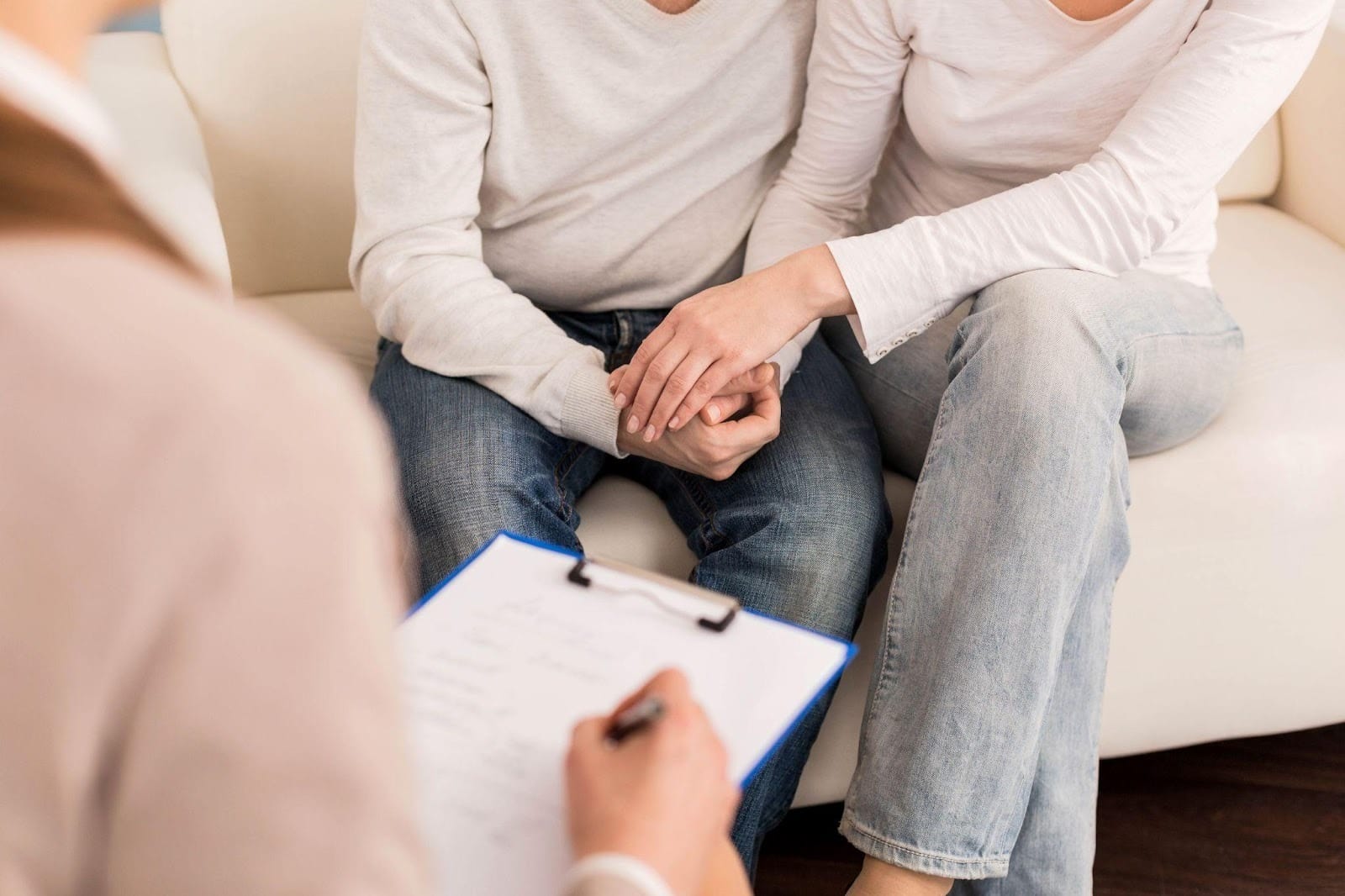
Integrated care keeps evolving, but one part of health still gets overlooked more often than it should: the health of a person’s primary relationship. Stress from constant arguments, emotional distance, or unresolved conflict doesn’t stay contained inside the home. It also shows up in sleep patterns, blood pressure, immune function, mood, motivation, and treatment follow-through. When a person’s relationship is unstable, medical and mental health care rarely reaches its full potential, no matter how skilled the providers are.
That reality is exactly why couples support has become a core component of modern treatment. In fact, research shows that people who go through couples therapy leave treatment better off than 70% to 80% of individuals who never receive any form of therapy at all. In practical terms, that means relationship-focused care doesn’t just improve relationships alone, but it also improves emotional stability, stress levels, daily functioning, and a person’s ability to stay engaged with their overall healthcare plan. (1)
This article explains exactly where couples counselling belongs inside integrated care and how it strengthens medical and mental health outcomes.
Integrated Care: What It Is and Its Core Purpose
Integrated care is a coordinated healthcare model where medical providers and mental health professionals work together as one team instead of operating individually. Rather than treating physical symptoms in one office and emotional concerns in another with little communication between them, integrated care connects those services into a single, shared treatment plan. The purpose is to improve outcomes by addressing the full picture of a person’s health at the same time.
However, this approach starts to fall apart when close relationships are treated as an afterthought instead of part of the clinical reality. A patient may follow every medical recommendation and attend every appointment, yet struggle to make progress because ongoing tension at home keeps stress levels high and emotional stability low. That’s why couples counselling is essential to be part of one’s integrated care. Relationship strain often affects sleep, mood, medication compliance, lifestyle choices, and even recovery speed, which means ignoring it leaves major gaps in care.
When integrated care accounts for relationship-focused care, treatment becomes more effective and more sustainable. Health improves because, on top of symptoms being managed, the environment people return to each day becomes more supportive and stable.

How Couples Counselling Complements Individual Treatment
Couples counselling strengthens individual treatment by improving what happens outside the doctor’s office and therapy room. A person’s relationship environment can either support healing or quietly interfere with it. Here’s how relationship work directly helps individual care succeed.
It Strengthens Treatment Engagement and Follow-Through
When partners understand each other’s emotional triggers, stress responses, and health goals, it becomes easier to stay consistent with treatment. They take their appointments seriously, ensure not to skip medications, and lifestyle changes last longer. The relationship stops creating friction around care and starts reinforcing it.
It Reduces Emotional Stress That Interferes With Healing
Ongoing conflict and emotional tension keep the nervous system on high alert. That constant stress interferes with sleep, immune response, pain tolerance, and emotional regulation. Couples counselling helps lower that baseline stress by improving communication and conflict handling. When emotional safety increases at home, the body becomes more receptive to healing.
It Aligns Partners Around Shared Health Goals
Many treatment plans fail because partners are unintentionally working against each other. One person tries to manage symptoms while the other feels confused, excluded, or resentful. Couples counselling brings both partners into the process, making expectations clearer.
It Protects Progress From Relationship Setbacks
Relationship setbacks often disrupt recovery itself. Long-term data show that in the United States, between 40% and 50% of marriages ultimately end in divorce, and when a relationship reaches that level of strain, stress tends to explode. That kind of emotional pressure can easily undo months of healing and make relapse far more likely. (2)
Couples counselling helps partners address problems early, strengthen stability, and reduce the risk of reaching that breaking point, so the progress being made in treatment doesn’t get thrown off course. (2)
In short, individual treatment works best when the relationship environment supports it.
Common Relationship Issues Addressed in Couples Counselling
When partners sit down for couples counselling, these are the kinds of challenges they’re usually looking to work through:
Communication Breakdown and Harmful Communication Patterns
Many couples struggle because communication slowly becomes tense, defensive, or emotionally distant. Over time, these harmful communication patterns raise stress levels and make it harder to feel safe or supported at home. A marriage and family therapist helps partners recognize these cycles and develop healthier ways to communicate that lower tension and restore emotional stability.
Financial Friction and Lifestyle Changes Tied to Health Concerns
Illness, treatment, and recovery often bring financial pressure and major lifestyle changes. Medical bills, missed work, shifting responsibilities, and new limitations can strain even strong relationships. Couples counselling gives partners a place to address money stress and lifestyle shifts together instead of letting resentment build in silence.
Substance Use Issues and Their Impact on Emotional Intimacy
Research published in the Journal of Marriage and Family shows that substance abuse, including heavy drinking and drug use, is one of the most common stressors linked to marital breakdown, largely because it changes behavior, impairs judgment, and destabilizes emotions. Over time, that instability creates an unsafe or unpredictable environment that steadily erodes emotional intimacy. Couples counselling supports both partners as they work through this damage, rebuild stability, and reconnect in healthier ways. (3)
Relationship Transitions Following Diagnosis, Trauma, or Caregiving Shifts
A major diagnosis, medical trauma, or sudden caregiving role can reshape a relationship overnight. Roles and expectations may change, and emotional balance gets thrown off. Couples counselling helps partners process those transitions, adjust to new realities, and rebuild connection during some of the most difficult periods of life. This creates stronger emotional support, lower stress, and a more stable foundation for long-term well-being.
What Couples Therapy Looks Like Inside Integrated Care
Inside an integrated care setting, couples therapy becomes part of the broader health plan, just like medical checkups or mental health support. When one partner is dealing with illness, stress, or emotional strain, the relationship is dealing with it too. Therapy gives both partners a place to talk through what’s changing, what feels overwhelming, and what they need from each other to save a struggling marriage.
Therapy sessions often focus on practical things. How do you communicate when one of you is exhausted all the time? What happens to the relationship when roles shift because of illness or caregiving? How do you stay emotionally close when life suddenly feels unstable? Working on those issues alongside medical treatment helps couples stay connected, reduce daily stress, and create a home environment that actually supports healing.
Takeaway
Couples counselling strengthens integrated care because it addresses one of the most powerful influences on health: the relationship itself. Treating relationships as part of healthcare creates a more realistic, effective path toward long-term wellbeing. When both partners understand how their connection affects healing, they can participate in care with greater clarity, consistency, and confidence, building a healthier future for themselves and for each other.
References:
- “Couple therapy in the 2020s: Current status and emerging developments”, Source: https://pmc.ncbi.nlm.nih.gov/articles/PMC10087549/
- “Why Couples Therapy Is on the Rise”, Source: https://www.psychologytoday.com/us/blog/the-addiction-connection/202308/why-couples-therapy-is-on-the-rise
- “A Psychologist Reveals 6 Signs A Marriage May End In Divorce”, Source: https://www.forbes.com/sites/traversmark/2024/06/29/a-psychologist-reveals-the-6-signs-a-marriage-will-end-in-divorce/

The Editorial Team at Healthcare Business Today is made up of experienced healthcare writers and editors, led by managing editor Daniel Casciato, who has over 25 years of experience in healthcare journalism. Since 1998, our team has delivered trusted, high-quality health and wellness content across numerous platforms.
Disclaimer: The content on this site is for general informational purposes only and is not intended as medical, legal, or financial advice. No content published here should be construed as a substitute for professional advice, diagnosis, or treatment. Always consult with a qualified healthcare or legal professional regarding your specific needs.
See our full disclaimer for more details.


