Key Takeaways
- Understanding the breadth of career paths within construction, from the trades to technology-driven roles.
- Appreciating the value of education and apprenticeships in building foundational skills.
- Recognizing industry-wide efforts to advance inclusion and diversity among the construction workforce.
- Identifying credible resources and initiatives that provide career guidance and mentorship.
Table of Contents
The construction industry is undergoing a significant transformation, offering a wealth of opportunities for the emerging workforce. As technology, sustainability, and workforce development advance, the sector is attracting fresh talent seeking rewarding, diverse careers. For anyone interested in learning more about pathways into this thriving industry, click here to discover resources and local opportunities that can shape your construction career journey.
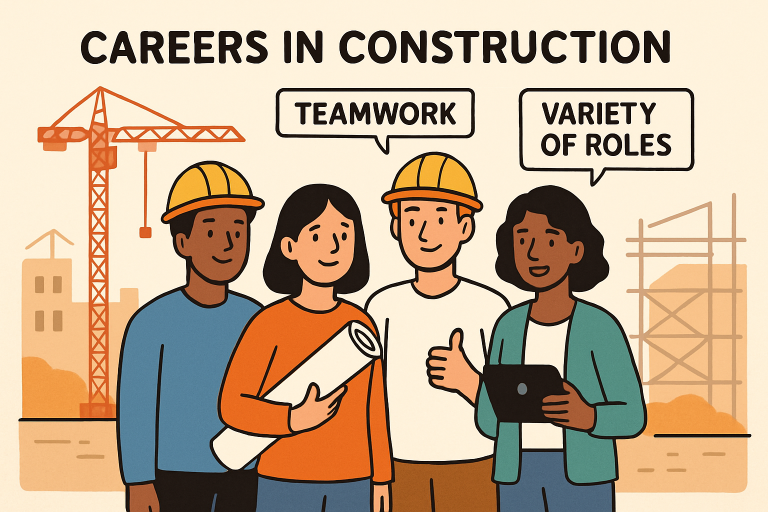
Construction is no longer limited to traditional roles; it now spans a wide range of career tracks, from skilled trades and project management to innovative roles in green building and construction technology. Professionals can tailor their trajectories to their personal strengths and aspirations, making the industry accessible and inviting to people from all backgrounds.
Educational programs, apprenticeships, and targeted initiatives have made entering and advancing in construction easier and more achievable than ever before. These efforts not only bridge skill gaps but also provide mentorship and real-world experience, ensuring that today’s trainees become tomorrow’s qualified professionals.
Moreover, the construction sector is committed to supporting diversity, equity, and inclusion at every level, offering supportive environments that empower women, minorities, and underrepresented groups. By embracing these values, the industry is fostering a more robust and imaginative workforce for the future.
Diverse Career Options in Construction
While the image of construction may evoke bustling job sites and hands-on labor, today’s industry boasts a remarkably diverse range of roles. Traditional skilled trades—such as carpentry, electrical work, and plumbing—remain vital, but there are increasing opportunities within environmental management, safety engineering, BIM (building information modeling), and green construction. Furthermore, positions in project management, procurement, and safety offer leadership paths for those seeking advancement.
This diversity means construction workers can transition between roles or specialize as their interests evolve, making the industry one of the most flexible for long-term career growth. Industry trends such as modular construction and 3D printing continue to introduce new roles that require both hands-on expertise and digital proficiency.
Educational Pathways and Apprenticeships
Formal education and specialized training serve as essential launching pads for individuals aspiring to build a career in the construction industry. High school technical programs introduce students to foundational skills, such as blueprint reading, basic carpentry, electrical principles, and construction safety, preparing them for entry-level positions or further education. Community college certificates offer more focused, hands-on training in areas such as HVAC systems, plumbing, or project management, equipping students with industry-recognized credentials that enhance employability. For those seeking a broader understanding, four-year college degrees in construction management, civil engineering, or architecture provide advanced knowledge in planning, budgeting, structural design, and leadership, preparing graduates for supervisory or specialized roles.
Apprenticeship programs, often backed by national trade organizations and unions, offer an invaluable pathway for learning while earning. These programs integrate classroom instruction with real-world experience on job sites, allowing participants to develop technical expertise, problem-solving skills, and workplace professionalism simultaneously. Beyond technical training, apprenticeships foster networking opportunities and mentorship relationships that can accelerate career advancement. By combining formal education, certifications, and hands-on apprenticeship experience, aspiring construction professionals can enter the workforce with a strong foundation, positioning themselves for long-term success in an evolving, high-demand industry.
Resources and Initiatives Supporting Career Development
Numerous organizations exist to support aspiring and current construction professionals at every stage of their careers. Local and regional organizations also step in to provide guidance. Mentorship, networking events, and scholarship programs are just a few of the strategies employed to attract and retain promising talent.
Government sources, such as the U.S. Bureau of Labor Statistics, also provide critical labor market outlooks, wage projections, and lists of in-demand skills to help individuals make informed decisions about their education and career progression.
Conclusion
The construction industry stands as an appealing, robust, and adaptable career destination for the next generation. By embracing a wide range of career options, seeking out educational and apprenticeship opportunities, and championing diversity and open access, aspiring professionals can build not just structures—but their own futures. For those ready to lay the foundation for a rewarding career, the resources and pathways are abundantly accessible and tailored for success in a dynamic field.

The Editorial Team at Healthcare Business Today is made up of experienced healthcare writers and editors, led by managing editor Daniel Casciato, who has over 25 years of experience in healthcare journalism. Since 1998, our team has delivered trusted, high-quality health and wellness content across numerous platforms.
Disclaimer: The content on this site is for general informational purposes only and is not intended as medical, legal, or financial advice. No content published here should be construed as a substitute for professional advice, diagnosis, or treatment. Always consult with a qualified healthcare or legal professional regarding your specific needs.
See our full disclaimer for more details.