
Defining the Dimensions of Personal Wellness and Care
 In April 2026, the pace of modern life continues to intensify, often leaving us feeling overwhelmed and depleted. We juggle countless responsibilities, which can take a significant toll on our overall health. However, a growing understanding of personal wellness and care offers a powerful counter-narrative, shifting our focus towards proactive health and sustainable vitality.
This isn’t merely about treating illness; it’s about embracing preventive medicine and building a life rich in energy, resilience, and fulfillment. Personal wellness is a holistic concept that recognizes the interconnectedness of our physical, mental, emotional, social, and even spiritual health. It’s a key trend for 2026: personalized, comprehensive care.
Throughout this extensive guide, we will explore what personal wellness and care truly entails, examining its various dimensions. We will uncover why consistent self-care is crucial for your long-term health and well-being. Furthermore, we will provide practical, evidence-based strategies to integrate self-care into your daily routine, from optimizing sleep and nutrition to fostering mental resilience and nurturing relationships.
Our aim is to equip you with the knowledge to assess your unique needs and craft a personalized wellness plan. This approach considers all aspects of your well-being, addressing foundational health while also acknowledging individual goals, such as those involved in a Dr. Okoro’s personalized mommy makeover. By the end, you will have a clearer path to achieving a healthier, happier, and more balanced life.
At its core, self-care is the intentional practice of taking action to preserve and improve your health—both physical and mental. The World Health Organization (WHO) defines self-care as the ability of individuals, families, and communities to promote health, prevent disease, maintain health, and cope with illness with or without the support of a health worker. This definition underscores that self-care is not a luxury, but a fundamental component of health equity and universal health coverage, especially in a world where 3.6 billion people lack access to essential health services.
Personal wellness extends beyond this basic definition, encompassing a multi-dimensional approach to health that recognizes the intricate connections between various aspects of our lives. It’s about striving for an engaged, purposeful, and capable existence, rather than simply the absence of illness. This holistic perspective is often referred to as Whole-person wellness and care, acknowledging that true well-being arises from nurturing every facet of your being.
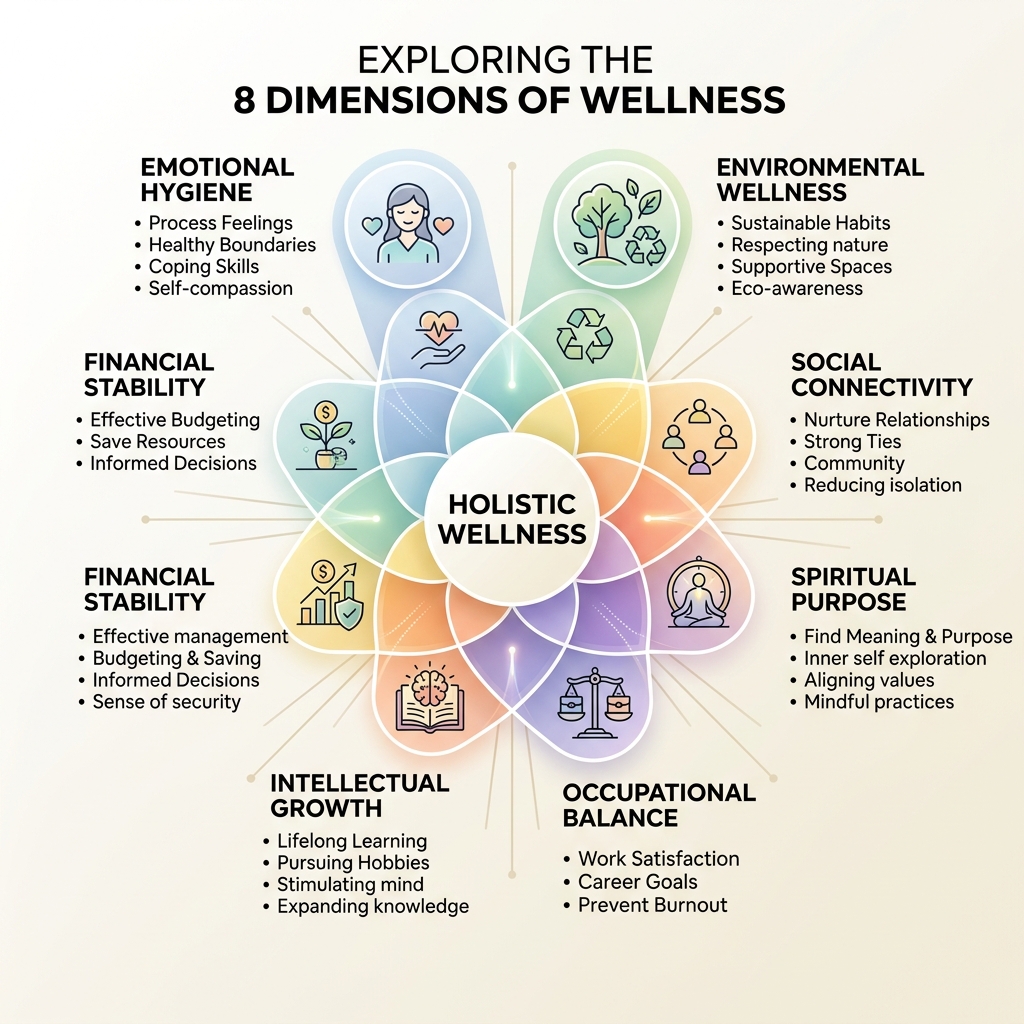
Lifestyle medicine, an evidence-based approach, forms the bedrock of personal wellness. It emphasizes that our daily habits and choices are powerful preventive interventions against chronic diseases and key drivers of overall health. Within this framework, we identify several interconnected dimensions of wellness:
- Emotional Hygiene: This involves actively processing feelings, setting healthy boundaries, and developing coping skills to manage stress and emotional challenges. It’s about being kind to yourself and practicing self-compassion.
- Environmental Wellness: Recognizing our impact on and connection to our surroundings. This includes fostering sustainable habits, respecting nature, and creating living and working spaces that support our well-being.
- Social Connectivity: Nurturing relationships with friends, family, and community members. Humans are social beings, and strong social ties are crucial for mental and emotional health, reducing feelings of isolation and loneliness.
- Spiritual Purpose: Exploring your inner self, finding meaning and purpose in life, and engaging in practices that align with your values, whether through meditation, prayer, or connecting with nature.
- Occupational Balance: Finding satisfaction and purpose in your work or chosen activities, managing career goals, and maintaining a healthy work-life balance to prevent burnout.
- Intellectual Growth: Engaging in lifelong learning, pursuing hobbies, and actively listening to others to stimulate your mind and expand your knowledge.
- Financial Stability: Managing your financial resources effectively, budgeting, saving, and making informed decisions to reduce financial stress and provide a sense of security.
These dimensions are not isolated; they constantly influence one another. For example, financial stress can impact emotional well-being, which in turn can affect physical health. Understanding these interdependencies is the first step toward building a truly comprehensive personal wellness plan.
The Science of Longevity: Why Personal Wellness and Care Matters
The importance of personal wellness and care is not just anecdotal; it’s backed by compelling scientific evidence, particularly when it comes to longevity and disease prevention. As of April 2026, the health landscape continues to highlight the prevalence of chronic conditions. Startling statistics reveal that six out of every 10 Americans live with at least one chronic disease, and four in 10 contend with two or more conditions. These numbers underscore an urgent need for proactive health strategies.

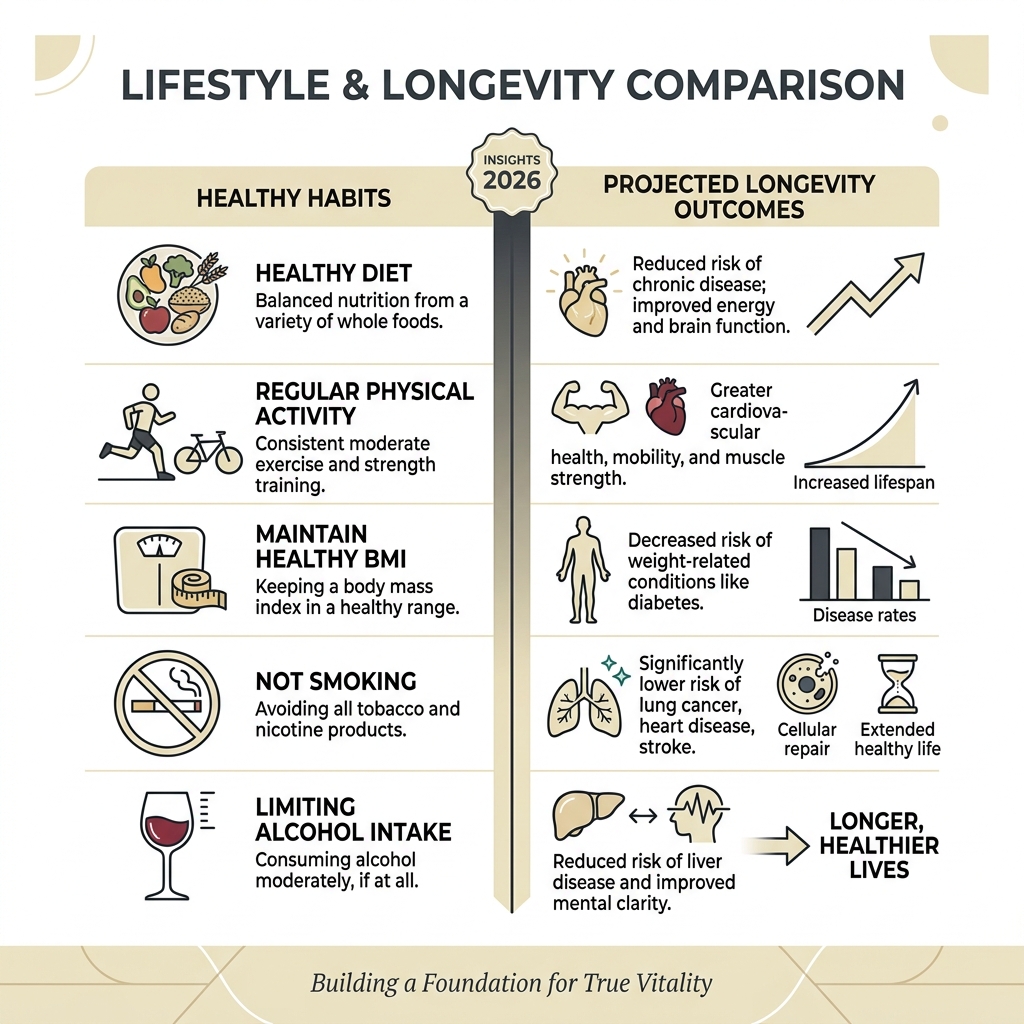
Harvard’s extensive research on lifestyle medicine offers profound insights into how specific habits can dramatically extend a healthy lifespan. A landmark study revealed that practicing just five healthy lifestyle habits from age 50 onward can extend life by more than a decade: women to age 93 (versus 79) and men to nearly 88 (versus 75). These habits form the pillars of self-care and include a healthy diet, regular physical activity, maintaining a healthy body mass index (BMI), not smoking, and limiting alcohol intake.
This significant lifespan extension is directly linked to disease prevention. Consistent self-care practices play a crucial role in reducing the risk of major chronic illnesses such as heart disease, cancer, stroke, and diabetes, which are largely preventable through lifestyle choices.
Beyond preventing disease, personal wellness practices contribute to cellular health. Our cells are constantly under assault from environmental toxins, stress, and poor lifestyle choices. Self-care, particularly through nutrition and stress management, helps protect cellular integrity, promotes repair mechanisms, and slows down the aging process at a foundational level. For instance, chronic stress elevates cortisol levels, a hormone that, in excess, can damage various body systems. Effective stress management techniques, a core component of self-care, help regulate cortisol, protecting cardiovascular health, cognitive function, and immune system support.
The mind-body connection is undeniable. Emotional well-being directly impacts physical health. Stressful events can raise blood pressure, depression can worsen pain tolerance, and loneliness has been linked to premature mortality. By consciously nurturing our mental and emotional health, we bolster our physical resilience. In 2026, health data continues to emphasize that an integrated approach to wellness, addressing both mind and body, is paramount for achieving true long-term vitality.
Practical Strategies for Physical and Mental Vitality
Building a robust personal wellness routine requires practical, evidence-based strategies that can be integrated into daily life. It’s about cultivating habits that fuel both your physical and mental vitality.
For physical health, consistent sleep hygiene is paramount. Aim for 7-9 hours of quality sleep each night, maintaining a consistent sleep schedule even on weekends. This allows your body to repair daily damage, consolidate memories, and regulate hormones. Physical activity is another non-negotiable. The WHO recommends 150-300 minutes of moderate physical activity weekly for adults, including strength training two or more days per week. This could be anything from brisk walking to dancing, cycling, or lifting weights. Even 30 minutes of daily walking can significantly boost mood and improve cardiovascular health.
When it comes to our overall well-being, even seemingly small choices can make a significant impact. Consider how Intimate apparel personal wellness and care can play a role. Choosing comfortable, supportive, and well-fitting intimate apparel isn’t just about aesthetics; it contributes to physical comfort, confidence, and can even support postural health, reducing minor aches and pains that can detract from overall vitality. It’s a subtle yet important aspect of self-care that often goes overlooked.
Mental vitality is equally crucial. Practicing mindfulness through meditation or simple breathing exercises for just 10 minutes a day can lower stress, improve clarity, and enhance emotional regulation. Building resilience involves adapting to change and difficult times, often by focusing on self-compassion and challenging negative thought patterns. Setting healthy boundaries—learning to say “no” to energy-draining commitments—is a powerful act of self-care that protects your mental and emotional reserves.
Nutrition and hydration are the fuel for both body and mind. A diet rich in fruits, vegetables, whole grains, and lean proteins, while limiting processed foods, sugar, and unhealthy fats, provides the essential nutrients for optimal function. Aim for at least 64 ounces of water daily, infusing it with fruits like lemon or cucumber if plain water feels unappealing. Finally, in our screen-saturated world, a regular digital detox is vital. Schedule device-free breaks to reconnect with yourself and the world around you, reducing mental fatigue and improving focus.
Optimizing Physical Health through Personal Wellness and Care
Optimizing physical health goes beyond basic exercise and diet; it delves into the nuances of how our bodies function and how we can support them for peak performance and longevity. Nutrient density in our food choices ensures we’re getting a wide array of vitamins, minerals, and antioxidants, rather than just calories. This supports every bodily process, from energy production to immune response. Consistent 64-ounce hydration is critical for cellular function, nutrient transport, and maintaining skin elasticity, preventing dehydration that can manifest as dry skin and prominent wrinkles.
Regular aerobic capacity training, such as brisk walking or jogging, strengthens the heart and lungs, improving stamina and overall cardiovascular health. Understanding and respecting our circadian rhythms, our natural sleep-wake cycle, is fundamental for restorative sleep, which impacts everything from mood to metabolic health. The gut-brain axis highlights the profound connection between our digestive system and our mental well-being, emphasizing the importance of a healthy gut microbiome through fiber-rich foods and probiotics.
Concepts like prejuvenation focus on proactive measures to maintain youthful vitality and prevent the signs of aging before they become prominent. This can involve targeted nutrition, specific supplements, and non-invasive treatments. All these elements contribute to robust metabolic health, ensuring our bodies efficiently convert food into energy, regulate blood sugar, and maintain a healthy weight, significantly reducing the risk of chronic diseases.
Mental Resilience as a Pillar of Personal Wellness and Care
Mental resilience is the capacity to bounce back from adversity, adapt to stress, and maintain psychological well-being. It’s a critical component of personal wellness, especially in our world. Stress reduction techniques are fundamental, ranging from deep breathing exercises and meditation to engaging in hobbies that foster a sense of flow and joy. These practices help calm the nervous system, reducing the physical and mental toll of chronic stress.
Cultivating mental resilience also involves improving cognitive function. Activities that challenge the brain, such as learning new skills, reading, or solving puzzles, can enhance neuroplasticity—the brain’s ability to reorganize itself by forming new neural connections. This keeps our minds sharp and adaptable.
Meditation, in particular, has been shown to physically alter brain structure in ways that support emotional regulation and reduce reactivity to stress. Setting healthy boundaries is not just about protecting our time, but also our emotional energy. It empowers us to prioritize our needs and prevent burnout, fostering a sense of control and self-respect.
Self-compassion—treating ourselves with the same kindness and understanding we would offer a friend—is a powerful tool for building resilience. It helps us navigate setbacks without self-criticism, promoting psychological safety. When we are compassionate towards ourselves, we are better equipped to face challenges, learn from mistakes, and maintain a positive outlook, even in difficult times.
Integrating Aesthetic Goals with Holistic Wellness
In April 2026, the pursuit of aesthetic goals is increasingly viewed not as a separate endeavor, but as an integral part of holistic personal wellness. The understanding that true beauty radiates from within means that optimal aesthetic outcomes are often intrinsically linked to our overall health and vitality. This philosophy is at the heart of modern medical wellness facilities, which emphasize cellular rejuvenation and functional medicine approaches to enhance both inner well-being and outer appearance.

For example, whether considering a prejuvenation strategy to maintain youthful skin or undergoing more significant procedures, the body’s internal health plays a crucial role in healing and results. Functional medicine, which focuses on identifying and addressing the root causes of disease, can optimize cellular health, ensuring the body is in the best possible state for recovery and regeneration. This includes attention to factors like hormone optimization, which can significantly impact skin quality, energy levels, and overall vitality.
Advanced treatments like peptide therapy and IV hydration are gaining traction for their ability to support cellular function, boost collagen synthesis, and aid in skin repair from the inside out. IV therapy and IV hydration can deliver essential vitamins, minerals, and amino acids directly into the bloodstream, bypassing the digestive system for maximum absorption. This can be particularly beneficial for enhancing recovery, improving skin radiance, and supporting overall energy.
Personalized wellness plans are crucial in this integrated approach. They often combine lifestyle modifications with targeted medical interventions. For instance, a plan might include specific nutritional guidance, stress reduction techniques, and recommendations for Amachi Medspa Memberships that offer regular treatments like facials, laser therapies, or injectables. The goal is to create a synergy where internal health supports external beauty, and vice versa.
Even seemingly small habits, or micro-habits, contribute to this integration. Consistent skincare, adequate sleep, and proper hydration are foundational. When considering aesthetic enhancements, a Virtual Consultation or Virtual Aesthetic Planning Session can help individuals understand how these procedures align with their broader wellness goals. For New Patients, this comprehensive approach ensures that their journey towards enhanced beauty is also a journey towards improved health.
The philosophy is clear: lasting beauty is a reflection of lasting health. By nurturing the body from the cellular level upwards, we create an environment where aesthetic enhancements can truly thrive, leading to more natural, sustainable, and satisfying results.
Frequently Asked Questions about Personal Wellness and Care
We often encounter common questions about how to embark on or sustain a personal wellness journey. Here, we address some of the most pressing ones.
How can I assess my current wellness needs and identify areas for improvement?
Assessing your current wellness needs is the crucial first step toward improvement. We recommend starting with a holistic self-assessment. The National Institutes of Health (NIH) offers excellent wellness toolkits that provide evidence-based tips and resources across various dimensions of health, including environmental, emotional, physical, and social wellness.
Begin by asking yourself specific self-assessment questions across these areas: Are you getting adequate sleep? Is your diet fueling your body well? Are you making enough time for mentally stimulating activities? Do you have healthy ways to process emotions? Are you getting enough face-to-face time with friends? What questions do you ask yourself about your life?
Identifying your primary stressors is also key. A “stressor identification” exercise can help you pinpoint what drains your energy. Consider performing a “life-balance auditing” by mentally reviewing how much time and energy you dedicate to different life areas (work, relationships, self-care, hobbies). If you find significant imbalances or persistent struggles, seeking professional consultations with a wellness coach or therapist can provide objective insights and guidance.
When should I seek professional help for mental health or wellness challenges?
While self-care is a powerful tool, it’s important to recognize when professional help is needed. We advise seeking professional support if you experience severe or persistent symptoms that interfere with your daily life for two weeks or more. These symptoms might include:
- Persistent low mood or sadness: Feeling down most of the day, nearly every day.
- Significant appetite changes: Eating much more or much less than usual.
- Sleep disruption: Difficulty falling asleep, staying asleep, or sleeping too much.
- Difficulty concentrating: Struggling to focus on tasks at work, school, or home.
- Loss of interest or pleasure: No longer enjoying activities you once loved.
- Inability to perform daily tasks: Finding it hard to get out of bed, go to work, or manage basic responsibilities.
- Increased irritability or anxiety: Feeling on edge, restless, or easily frustrated.
If you or someone you know is struggling with thoughts of self-harm or suicide, please reach out to a crisis hotline immediately. Resources like the 988 Suicide & Crisis Lifeline are available 24/7. Seeking professional help is a sign of strength, not weakness, and can provide effective strategies for managing and overcoming mental health challenges.
How do I build a personalized wellness plan according to reputable sources?
Building a personalized wellness plan involves integrating evidence-based habits from reputable sources like Harvard Health, NIH, and the WHO. These organizations emphasize a holistic, adaptable approach:
- Start with Assessment: Use the self-assessment questions and wellness toolkits mentioned above to identify your current needs and areas for improvement.
- Identify Your Pillars: Harvard Health highlights key pillars of self-care, including physical activity, nutrition, sleep, social connection, stress management, and purpose. Determine which of these areas require the most attention for you.
- Set SMART Goals: For each area, set Specific, Measurable, Achievable, Relevant, and Time-bound goals. Instead of “exercise more,” aim for “walk for 30 minutes, three times a week.”
- Integrate Small Steps: Don’t try to overhaul everything at once. Begin with micro-habits—small, manageable actions you can consistently integrate into your routine. For example, start with a 5-minute meditation or adding one extra glass of water daily.
- Prioritize Personalization: What works for one person may not work for another. Experiment to find what truly nourishes you. Self-care is a personal journey, and it may require trial and error to discover your most effective practices.
- Regular Reassessment: Life changes, and so do your needs. Regularly review your plan (monthly or quarterly) and adjust it as needed. Be flexible and forgiving with yourself; progress beats perfection.
- Collaborate with Medical Providers: Discuss your wellness goals with your doctor or other healthcare professionals. They can offer personalized advice, monitor your progress, and help you integrate your self-care plan with any necessary medical care.
Conclusion
As we navigate the complexities of life in April 2026, the concept of personal wellness and care has evolved from a trend into a fundamental necessity. It is a proactive, intentional commitment to nurturing every dimension of our being—physical, mental, emotional, social, spiritual, environmental, occupational, intellectual, and financial. This comprehensive approach is not about fleeting indulgences but about cultivating sustainable habits that lead to long-term vitality, resilience, and a profound sense of fulfillment.
We have explored the scientific imperative behind consistent self-care, linking it directly to increased longevity, reduced chronic disease risk, and enhanced cellular health. We’ve delved into practical, evidence-based strategies for optimizing both physical and mental vitality, from the foundational importance of sleep and nutrition to the transformative power of mindfulness and strong social connections. Furthermore, we’ve highlighted how aesthetic goals can be seamlessly integrated into a holistic wellness framework, emphasizing that true beauty is a reflection of inner health and robust well-being.
The journey toward comprehensive personal wellness is continuous and deeply personal. It requires self-awareness, consistent effort, and the willingness to adapt and seek support when needed. By embracing the principles outlined in this guide, you are not just improving your health; you are investing in a richer, more vibrant life. We encourage you to start small, be kind to yourself, and celebrate every step of progress. Your well-being is your greatest asset, and by prioritizing it, you unlock your fullest potential.
To explore further resources and begin your personalized journey towards integrated health and aesthetic excellence, visit us at georgiaplastic.com/.

The Editorial Team at Healthcare Business Today is made up of experienced healthcare writers and editors, led by managing editor Daniel Casciato, who has over 25 years of experience in healthcare journalism. Since 1998, our team has delivered trusted, high-quality health and wellness content across numerous platforms.
Disclaimer: The content on this site is for general informational purposes only and is not intended as medical, legal, or financial advice. No content published here should be construed as a substitute for professional advice, diagnosis, or treatment. Always consult with a qualified healthcare or legal professional regarding your specific needs.
See our full disclaimer for more details.


