Key Takeaways
- Effective communication is the cornerstone of any strong relationship.
- Expressing appreciation and gratitude reinforces positive feelings and mutual respect.
- Investing quality time together strengthens bonds and creates lasting memories.
- Engaging in coordinated activities fosters deeper connections and mutual understanding.
- Practicing forgiveness and understanding helps navigate conflicts constructively.
Table of Contents
In today’s fast-paced world, finding time to nurture strong relationships can feel daunting. Yet, it is possible to maintain deep, supportive connections despite busy schedules. Implementing mindful strategies and prioritizing relationship health can transform how we connect with loved ones. Whether you want to improve communication or rekindle intimacy, the right approaches can make all the difference. For couples or individuals seeking expert guidance, Chicago relationship therapy can be a valuable resource for professional, tailored support.
Meaningful relationships require effort and intention. Small but consistent actions can greatly enhance connection, empathy, and satisfaction. By focusing on communication, appreciation, shared experiences, and forgiveness, anyone can build enduring bonds that support well-being. These strategies not only fortify romantic relationships but can also benefit friendships and family dynamics.
Effective Communication
Open and honest communication forms the bedrock of strong, lasting relationships. Practicing clear communication involves sharing thoughts and feelings directly, listening actively, and checking for understanding. A powerful tool here is using “I” statements, which allow you to express your needs or concerns without blaming the other person. For instance, saying “I feel stressed when plans change at the last minute” invites a solution, rather than causing defensiveness.
Regular check-ins foster emotional closeness. Setting aside time each week, even just ten minutes, creates a safe space to discuss anything on your mind. This simple habit builds trust and ensures that both people feel seen and heard.
Expressing Appreciation and Gratitude
Consistently expressing gratitude nurtures kindness and positivity in any relationship. A sincere “thank you,” a note of appreciation, or a verbal acknowledgment of someone’s efforts can have a profound impact when given regularly. Keeping a gratitude journal, where you jot down specific ways your partner has supported you, is a powerful way to stay mindful of the positive aspects of your relationship.
Sharing your appreciation openly isn’t just about polite gestures. It can help shift the focus from challenges to the strengths in your relationship. According to research highlighted by The New York Times, expressing gratitude consistently improves relationship satisfaction and resilience during stressful times.
Investing Quality Time Together
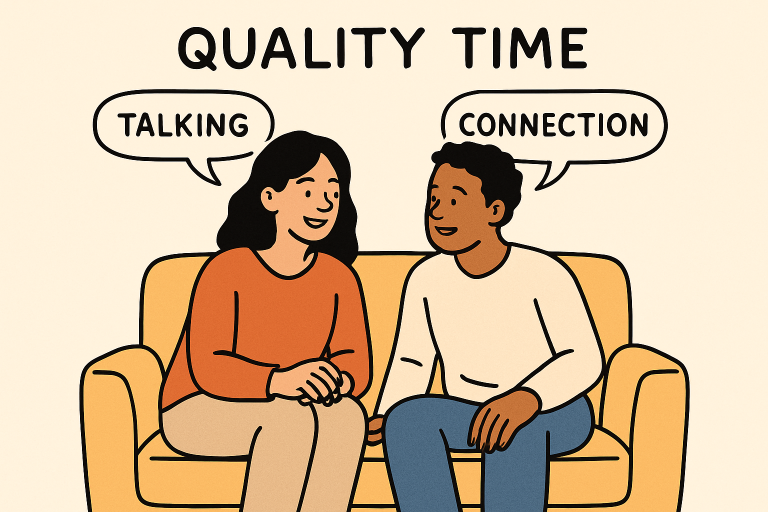
Quality time is vital for deepening connections and creating cherished memories. In our digital age, it’s easy to get sidetracked by screens and notifications. That makes it even more important to set aside uninterrupted time for each other. Engaging in activities like shared meals, walks, or creative projects allows for meaningful interaction without outside distractions.
Even simple rituals, such as end-of-day conversations or weekly date nights, provide dependable moments of closeness. These intentional experiences foster intimacy, show commitment, and help couples or friends recharge their bond. Quality time doesn’t need to be elaborate; what matters most is your presence and attention.
Engaging in Coordinated Activities
Participating in coordinated tasks or activities can significantly strengthen relationships. Working on a project together, joining a class, or even playing sports together builds a sense of partnership. Through such shared experiences, both people learn about each other’s strengths, struggles, and problem-solving approaches. This process strengthens teamwork and creates opportunities for mutual support.
Beyond fun or leisure, coordinated activities help improve understanding by offering a shared goal to work toward. As you navigate challenges and celebrate achievements together, the relationship matures and deepens, reinforcing trust and collaboration.
Practicing Forgiveness and Understanding
No relationship is free from conflict or misunderstanding. How challenges are handled, however, can set the stage for a lasting connection or growing distance. Forgiveness is not about minimizing hurt, but rather making an active choice to move forward without holding onto resentment. Practicing empathy and perspective-taking helps to recognize and honor each other’s experiences and needs.
Constructive conflict resolution allows couples and friends to address issues while maintaining respect. Techniques such as pausing during heated moments, clarifying misunderstandings, and validating each other’s feelings are essential steps.
Final Thoughts
Building lasting relationships requires thoughtful, consistent effort. By practicing effective communication, showing gratitude, prioritizing quality time, engaging in shared activities, and embracing forgiveness, anyone can strengthen the foundation of their closest connections. These techniques not only encourage meaningful partnerships but also support individual growth and happiness. Adopting these tools will help you create bonds that endure and thrive in every chapter of life.

The Editorial Team at Healthcare Business Today is made up of experienced healthcare writers and editors, led by managing editor Daniel Casciato, who has over 25 years of experience in healthcare journalism. Since 1998, our team has delivered trusted, high-quality health and wellness content across numerous platforms.
Disclaimer: The content on this site is for general informational purposes only and is not intended as medical, legal, or financial advice. No content published here should be construed as a substitute for professional advice, diagnosis, or treatment. Always consult with a qualified healthcare or legal professional regarding your specific needs.
See our full disclaimer for more details.