Key Takeaways
- Starting physical therapy early can lead to faster recovery and reduced healthcare expenses.
- Early intervention helps prevent complications such as muscle atrophy and joint stiffness.
- Patients who begin therapy promptly are less likely to require opioid medications or advanced imaging.
Exploring the importance of early intervention, research consistently demonstrates that prompt physical therapy creates opportunities for superior long-term outcomes after injury or surgery. For individuals seeking physical therapy services, being proactive in treatment can make a significant difference in their overall recovery experience. By starting rehabilitation early, patients have a better chance of avoiding persistent symptoms, regaining movement, and achieving independence more quickly.
Initiating physical therapy under professional guidance immediately after incidents such as orthopedic surgeries, musculoskeletal injuries, or acute pain episodes can foster healing and significantly reduce the risk of developing ongoing issues. Pursuing timely care also means fewer complications, shorter durations of immobility, and a stronger sense of empowerment as patients witness their progress early in the recovery timeline.
Beyond the obvious physical advantages, early intervention is associated with reduced reliance on medications, enhanced mental wellness, and substantial cost savings throughout the healthcare journey. Whether recovering from a sports injury or navigating post-surgical rehab, starting therapy early optimizes the body’s natural healing process and sets the foundation for long-term success.
Prevention of Complications
When therapy is delayed, the risks of muscle wasting, joint contractures, and persistent pain increase. Early intervention allows trained physical therapists to implement exercises and stretches that keep the body engaged, reduce inflammation, and maintain range of motion. According to a study published in the Journal of Occupational Rehabilitation, early physical therapy intervention leads to more favorable outcomes, including fewer physician visits and shorter case durations. By engaging muscles and joints soon after an event, complications like muscle atrophy and irreversible stiffness become far less likely.
Accelerated Recovery
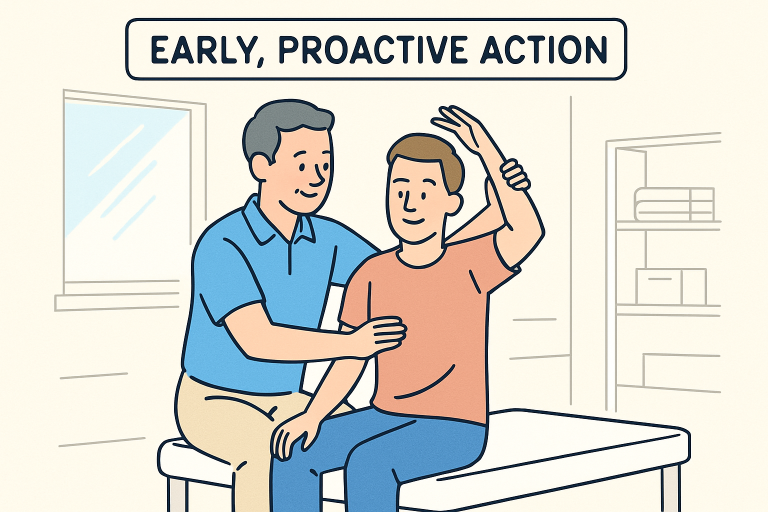
Patients who participate in therapy within days of injury or surgery consistently report quicker milestones. Research shows that patients undergoing knee replacement who began physical therapy within the first 24 hours regained mobility more quickly and returned to their daily routines with fewer setbacks than those who waited. This momentum extends to various types of musculoskeletal care, enabling smoother transitions from acute treatment to full independence. Such approaches lessen the risk of setbacks, rehospitalizations, or extended absences from work and life responsibilities. As highlighted in a study published in the Journal of the American Geriatrics Society, early physical therapy is associated with improved functional outcomes in older adults with back pain.
Reduction in Healthcare Costs
Financially, starting physical therapy soon after an injury can significantly reduce overall medical expenses. There is a noted decrease in the need for expensive diagnostic imaging (like MRIs), specialist referrals, and unnecessary emergency room visits. Studies have found that patients with back pain who began therapy within 14 days incurred lower costs—not only for therapy itself, but for their total care—compared to those who waited weeks or months. These savings benefit both patients and the larger healthcare system, ensuring that resources are used efficiently.
Decreased Reliance on Opioids
Opioid use for acute pain management, especially for back and neck pain, remains a strong concern in modern medicine. However, early access to physical therapy significantly lowers the statistical likelihood of needing opioid prescriptions. For instance, patients with acute low back pain treated early by a physical therapist were found to be much less likely to receive or rely on opioids, as shown in research published by the Journal of the American Medical Association. This approach not only means safer pain management but also fewer drug-related complications and dependencies long-term.
Improved Mental Health
Physical healing cannot be separated from psychological well-being. Prolonged inactivity during injury recovery often leads to anxiety, frustration, and depression. Early involvement in therapy helps restore movement and independence, which in turn enhances mood and self-esteem. Therapy sessions often include goal-setting and measurable progress, giving patients tangible wins and motivation. This empowering process has been found to enhance mental health outcomes for those recovering from injury or surgery.
Enhanced Functional Outcomes
Physical therapists employ real-world, movement-based exercises from the onset, prioritizing skills that translate directly to daily life. Early therapy therefore helps patients adapt natural patterns like walking, lifting, or balancing, resulting in smoother and quicker transitions back to independence. These functional benefits are especially significant in preventing further injury, as patients are monitored and corrected before compensatory patterns develop. In the long term, a proactive start supports lasting strength, flexibility, and safety.
Case Study: Acute Low Back Pain
Low back pain is one of the most studied examples of the efficacy of early intervention. According to a study published in the Journal of Orthopaedic & Sports Physical Therapy, patients who received therapy within two weeks of symptom onset saw dramatic reductions in emergency room visits and were significantly less likely to develop chronic pain conditions. Those who delayed care often experienced worse symptoms, higher costs, and more invasive interventions. This evidence highlights the benefits of timely treatment for one of the world’s most prevalent musculoskeletal conditions.
Final Thoughts
Early intervention in physical therapy is a proven strategy for optimizing health and recovery. The proactive approach prevents complications, speeds healing, lowers costs, reduces the risk of opioid dependence, and improves overall well-being. By recognizing the profound and multifaceted benefits of early intervention, both patients and clinicians can achieve superior outcomes and ensure lasting quality of life.

The Editorial Team at Healthcare Business Today is made up of experienced healthcare writers and editors, led by managing editor Daniel Casciato, who has over 25 years of experience in healthcare journalism. Since 1998, our team has delivered trusted, high-quality health and wellness content across numerous platforms.
Disclaimer: The content on this site is for general informational purposes only and is not intended as medical, legal, or financial advice. No content published here should be construed as a substitute for professional advice, diagnosis, or treatment. Always consult with a qualified healthcare or legal professional regarding your specific needs.
See our full disclaimer for more details.