Defining the Role of Medical Specialists and Patient Care
 The landscape of modern healthcare is vast and ever-evolving. Navigating its complexities often requires more than general medical knowledge. This is where medical specialists become indispensable.
These experts possess deep, focused knowledge in specific areas of medicine. Their advanced skills lead to more precise diagnoses and effective treatments. This improves patient health outcomes and overall quality of life.
In this extensive guide, we will explore the critical role of medical specialists in patient care. We will define what sets them apart from primary care providers. We will also examine the diverse fields they encompass, from life-saving interventions to areas that enhance well-being and appearance, such as Specialist microneedling care.
Join us as we delve into how these specialized professionals contribute to coordinated care. We will look at how they manage complex conditions and drive innovation. We will also discuss how patients can best access their expertise.
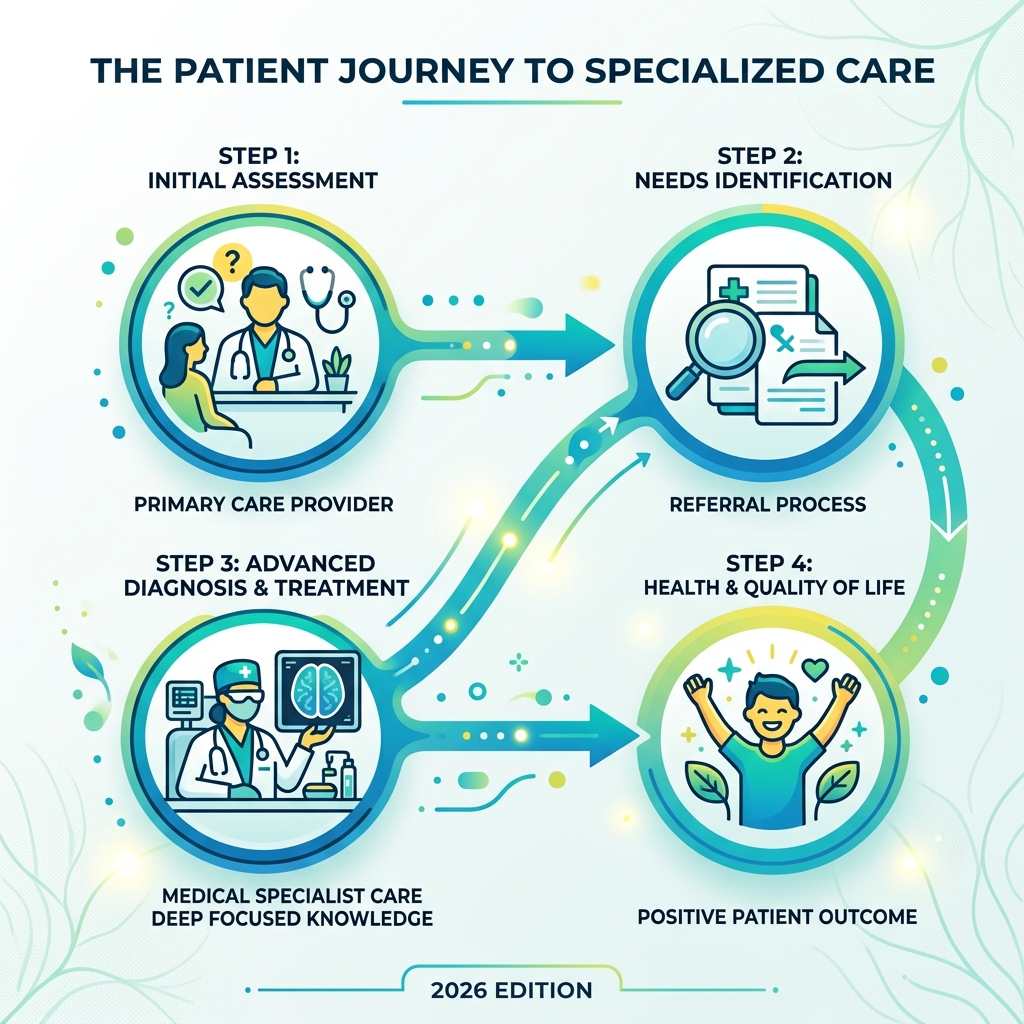
Medical specialists are healthcare professionals who have undergone extensive training and certification in a particular branch of medicine or surgery. Unlike general practitioners, their expertise is concentrated on specific organ systems, diseases, patient populations, or medical procedures. This focused knowledge allows them to tackle complex or rare conditions with a depth of understanding that is simply not feasible for a generalist. The sheer volume of medical information available today—with approximately 900,000 articles indexed annually by the electronic MEDLINE database and the World Health Organization’s International Classification of Diseases (ICD-10) encompassing 155,000 codes—underscores the necessity of specialization. It’s impossible for any single practitioner to master it all, making specialists vital pillars of modern healthcare.
Their role often involves providing advanced diagnostic services, implementing highly specific treatment protocols, and managing long-term, intricate health issues. Effective patient care, particularly for those with chronic or multifaceted conditions, frequently relies on seamless communication and collaboration between various specialists. This collaborative approach is often referred to as care coordination, ensuring that all aspects of a patient’s health are managed cohesively.

How Medical Specialists and Patient Care Differ from Primary Care
The fundamental difference between medical specialists and primary care providers (PCPs) lies in the scope and depth of their practice. Primary care providers, who include doctors, nurses, nurse practitioners, and physician assistants, serve as the first point of contact for most health concerns. They focus on general health maintenance, preventative care, routine examinations, vaccinations, and the initial diagnosis and treatment of common illnesses. PCPs often build long-term relationships with their patients, offering continuous care and managing a broad range of health issues. They are adept at identifying when a condition warrants further investigation by a specialist and facilitate referrals. You can learn more about primary care provider roles and their comprehensive services.
In contrast, medical specialists concentrate on a narrower field. For example, a cardiologist focuses solely on heart conditions, while an endocrinologist specializes in hormonal imbalances. This deep dive into a specific area allows specialists to possess advanced diagnostic tools, cutting-edge treatment options, and a nuanced understanding of their particular field. While PCPs offer breadth of care, specialists offer depth, becoming indispensable when a condition requires highly specific expertise, advanced procedures, or a detailed understanding of a complex disease pathway.
Common Fields and Subspecialties in Modern Medicine
The landscape of medical specialization is vast and continually expanding, reflecting the growing complexity of human health. Major fields like internal medicine, surgery, and pediatrics serve as umbrellas for numerous subspecialties.
- Internal Medicine: This broad field focuses on the prevention, diagnosis, and treatment of adult diseases. Its subspecialties are diverse, including:
- Cardiology: Heart and blood vessel disorders.
- Gastroenterology: Digestive system diseases.
- Endocrinology: Hormonal and metabolic disorders, including diabetes and thyroid conditions.
- Hematology-Oncology: Blood disorders and cancer.
- Nephrology: Kidney diseases.
- Pulmonology: Lung and respiratory tract conditions.
- Infectious Disease: Diagnosis and treatment of infections.
- Surgery: Surgeons specialize in performing operations to treat diseases, injuries, or deformities. Subspecialties include:
- General Surgery: Common surgical procedures.
- Orthopedic Surgery: Musculoskeletal system.
- Neurosurgery: Brain, spinal cord, and nervous system.
- Cardiothoracic Surgery: Heart and lungs.
- Endocrine Surgery: Glands like the thyroid, parathyroid, and adrenal glands.
- Laryngology: A subspecialty of Otolaryngology (ENT) focusing on voice, swallowing, and airway disorders.
- Pediatrics: Dedicated to the health and medical care of infants, children, and adolescents. Pediatric subspecialties mirror many adult specialties but are adapted for developmental stages, such as:
- Pediatric Cardiology: Heart conditions in children.
- Neonatology: Care of newborns, especially premature or ill infants.
- Pediatric Oncology: Cancer in children.
Beyond these, there are many other critical specialties, such as Dermatology (skin), Radiology (medical imaging), Anesthesiology (pain management and sedation), and Psychiatry (mental health). For those seeking highly specific care, such as Patient-centered urologic care, specialists provide tailored treatment plans that address unique needs and conditions. This intricate web of expertise ensures that patients can access precise, high-quality care for virtually any medical challenge.
The Importance of Specialization for Complex Conditions
Specialization is not merely a matter of convenience; it is a critical driver of improved patient outcomes, particularly when dealing with complex medical conditions or procedures. The focused expertise that specialists cultivate through years of dedicated training and practice translates directly into higher quality care. This is evident in areas requiring intricate surgical skills or profound diagnostic acumen. For instance, studies have shown a clear “volume-outcome relationship,” where centers performing a higher volume of specific complex procedures tend to have better patient results and lower mortality rates. An inclusive regional trauma system, for example, combined with the designation of high-volume major trauma centers, can reduce mortality by as much as 40%, highlighting the life-saving impact of specialized care infrastructure.
Specialists are at the forefront of medical innovation. They are often involved in clinical research and the development of new treatments, bringing the latest advancements directly to their patients. This constant push for improvement benefits patients facing challenging diagnoses, from rare genetic disorders to aggressive cancers. Furthermore, the increasing complexity of medical science, with new diseases identified and new treatments emerging regularly, necessitates practitioners who can dedicate their careers to mastering these specific areas. Organizations like the CMS Innovation Center continually explore strategies to support person-centered, value-based specialty care, recognizing its indispensable role in the overall healthcare ecosystem.
Real-World Impact of Focused Practice
The profound impact of specialized medical care is best illustrated through real-world examples, where focused expertise translates into life-changing outcomes for patients.
Consider Hematology-Oncology, a field dedicated to blood disorders and cancer. Specialists like Dr. Neil P. Shah, a highly-rated hematology oncologist at UCSF Health, exemplify this impact. His work focuses on individualizing frontline treatment for chronic-phase Chronic Myeloid Leukemia (CML), a complex and often long-term condition. His research and clinical practice contribute to optimizing therapies for patients, directly improving their quality of life and prognosis. Patients often praise such specialists for their detailed explanations and profound knowledge, which can be a source of immense comfort during challenging health journeys.
In Laryngology, a subspecialty of ENT, experts like Dr. Clark A. Rosen at UCSF Health manage intricate voice, swallowing, and airway disorders. His work includes developing systems to measure and compare treatment options, ensuring patients receive the most effective interventions for conditions ranging from laryngeal dystonia to complex airway problems. This precision in diagnosis and treatment selection is a hallmark of specialized care, leading to better functional outcomes for patients.
Similarly, Endocrine Surgery involves the precise surgical management of conditions affecting the thyroid, parathyroid, and adrenal glands. Dr. Michael W. Yeh at UCLA Health, for example, is renowned for his expertise in minimally invasive parathyroid surgery and the treatment of thyroid cancer and adrenal tumors. His specialized techniques often lead to faster recovery times and better cosmetic results, significantly enhancing the patient experience. His research also delves into areas like value-based healthcare delivery, ensuring that specialized care is not only effective but also efficient.
These examples highlight how specialists, through their deep knowledge and advanced techniques, provide care that is often impossible for generalists to offer. This level of focused attention is also crucial in managing chronic conditions, where a dedicated expert can navigate complex treatment pathways and provide ongoing support. For individuals dealing with persistent discomfort, the expertise found in Pain Arizona specialist patient care demonstrates how targeted approaches can significantly improve quality of life. Such specialized pain management centers offer comprehensive strategies, from interventional procedures to physical therapy, tailored to the unique nature of chronic pain.
Addressing the Challenges of Over-Specialization
While specialization offers undeniable benefits, an over-reliance on it without proper integration can present significant challenges to patient care and healthcare systems. One of the primary concerns is care fragmentation. When a patient sees multiple specialists for different conditions, there’s a risk that each specialist may focus solely on their area of expertise without a holistic view of the patient’s overall health. This can lead to conflicting treatments, redundant tests, and a lack of a central point of contact for the patient. For instance, 80% of all GP consultations and 66% of all emergency hospital admissions in the UK are related to patients with long-term conditions, underscoring the need for integrated care that can manage these complex, multi-system issues.
Another challenge is resource competition. Highly specialized services often require significant investment in equipment, training, and facilities. If not managed effectively, this can lead to competition for resources within the healthcare system, potentially impacting access to care in less specialized areas or driving up overall costs. The focus on niche areas can also sometimes overlook the broader social determinants of health that impact a patient’s well-being.
To mitigate these issues, there’s a growing emphasis on generalist integration and innovative care models. Concepts like “clinical chambers,” where generalists and specialists collaborate closely within integrated care pathways, are being explored to bridge the gap. These models aim to combine the depth of specialist knowledge with the breadth of primary care, ensuring that patients receive comprehensive, coordinated care, especially for chronic condition management. The goal is to harness the power of specialization while ensuring that the patient remains at the center of a well-orchestrated care team.
Navigating the Path to Specialized Treatment
Accessing specialized medical care can sometimes feel like navigating a labyrinth, but understanding the process and what to look for can empower patients. Most commonly, the journey to a specialist begins with a referral from a primary care provider. Your PCP, having a comprehensive understanding of your health history, is best positioned to determine if your condition warrants specialized attention and to recommend the appropriate expert. However, patients can also proactively seek out specialists, especially for conditions that might not traditionally require a referral or if they are seeking a second opinion. Online resources, such as a find a doctor tool, can be invaluable for locating qualified professionals in various fields.
Beyond the referral, insurance considerations play a significant role. Understanding your health insurance plan’s requirements for specialist visits, including co-pays, deductibles, and whether the specialist is in-network, is crucial to avoid unexpected costs. Many plans require pre-authorization for certain specialized services.
When choosing a specialist, patients should prioritize patient-centered approaches. This means seeking a provider who not only possesses exceptional medical expertise but also communicates clearly, listens attentively, and involves you in decision-making about your care. Provider ratings and reviews can offer insights into a specialist’s bedside manner and patient satisfaction, though it’s important to consider these as one piece of a larger picture.
What to Consider When Choosing a Specialist
When faced with the need for specialized medical care, selecting the right professional is a decision that significantly impacts your health journey. We believe several key factors should guide your choice to ensure you receive the highest quality and most appropriate care.
Firstly, board certification is a paramount indicator of a specialist’s qualifications and expertise. Board-certified physicians have completed rigorous training beyond medical school and residency, passed comprehensive examinations, and often participate in ongoing education to maintain their certification. This demonstrates a commitment to the highest standards of their field. The American Board of Medical Specialties (ABMS) plays a crucial role in validating these credentials, ensuring that specialists meet stringent criteria.
Secondly, consider the specialist’s clinical trial involvement and research contributions. Specialists who are actively engaged in research are often at the forefront of medical advancements, bringing innovative treatments and a deeper understanding of complex conditions to their practice. This can be particularly vital for rare or challenging diagnoses.
Patient testimonials and reviews offer valuable insights into a specialist’s communication style, empathy, and overall patient experience. While not the sole determinant, consistent positive feedback about a doctor’s ability to listen, explain, and involve patients in their care can be very reassuring. However, always exercise caution with reviews and consider the source.
Geographic accessibility and the convenience of the specialist’s location and appointment availability are practical considerations. While it’s often worth traveling for exceptional care, proximity can be important for ongoing treatments or follow-up appointments.
Finally, for those considering aesthetic or reconstructive procedures, understanding the nuances of selecting a qualified professional is critical. Our article on choosing the right surgeon provides comprehensive guidance on what to prioritize in this specific area of specialization. It emphasizes credentials, experience, and a patient-centered approach tailored to your aesthetic goals.
Accessing Care and Insurance Verification
Once you’ve identified a potential specialist, the practical steps of accessing care and verifying insurance are essential. Most insurance plans, especially managed care plans, require a referral from your primary care provider before you can see a specialist. This process ensures that your PCP is aware of your care needs and helps manage the coordination of your health records. Always confirm this requirement with your insurance company to avoid unexpected out-of-pocket costs.
Insurance verification is a critical step. Before your first appointment, contact your insurance provider directly to confirm that the specialist is in-network for your plan and to understand your financial responsibilities, such as co-pays, deductibles, and any co-insurance. For those covered by government programs, understanding Medicare eligibility or Medicaid coverage is paramount. While these programs provide vital support, their rules for specialist access and coverage can vary. Resources are available to help manage healthcare costs, including assistance for prescriptions; for example, WebMD provides information on help paying for prescriptions.
Telehealth visits have also emerged as a convenient way to access specialists, particularly for initial consultations or follow-up appointments that don’t require a physical examination. Always check if your chosen specialist offers this option and if it’s covered by your insurance. Furthermore, for transparency regarding financial relationships between healthcare providers and pharmaceutical or medical device companies, the federal Centers for Medicare and Medicaid Services (CMS) provides public data through their Open Payments Data website. This resource can offer additional insights for patients seeking comprehensive information about their providers.
Innovations and the Future of Specialty Care
The realm of specialty care is not static; it is a dynamic field continually shaped by innovation, technological advancements, and evolving patient needs. We are witnessing a significant shift towards value-based care models, where reimbursement is tied to patient outcomes rather than the volume of services provided. This encourages specialists to focus on effective, efficient treatments that genuinely improve health, fostering a more patient-centric approach. The increasing proportion of people aged 65 and over, projected to rise from 16% in 2008 to 23% by 2022 in the UK, highlights the growing demand for specialized care tailored to an aging population with complex health needs.
Clinical trials are at the heart of this evolution. Medical specialists are often deeply involved in research, conducting studies that lead to new diagnostic tools, therapies, and surgical techniques. Institutions like the Mayo Clinic, for example, have over 12,000 ongoing clinical studies, ensuring that patients have access to the latest, most promising treatments. A compelling Mayo Clinic patient story illustrates how this integration of research and patient care can offer individuals a “second chance” at health and well-being.
Furthermore, the integration of genomic medicine and nanotechnology promises to revolutionize specialty care. Genomic insights allow for personalized treatment plans based on an individual’s genetic makeup, particularly in fields like oncology. Nanotechnology holds the potential for highly targeted drug delivery, advanced diagnostics, and even microscopic surgical interventions. These innovations underscore the future of specialty care: increasingly precise, personalized, and proactive.
The Impact of Multidisciplinary Teams on Medical Specialists and Patient Care
One of the most impactful innovations in specialty care is the widespread adoption of multidisciplinary teams. Instead of a patient seeing various specialists in isolation, these teams bring together professionals from different fields—such as surgeons, oncologists, radiologists, pathologists, and nurses—to collaborate on a patient’s case. This integrated approach ensures that all aspects of a complex condition are considered, from diagnosis and treatment planning to rehabilitation and supportive care.
The benefits of multidisciplinary teams are profound. They facilitate shared medical records and open communication, reducing the likelihood of fragmented care and ensuring that all providers are working from the same, most up-to-date information. This seamless information flow is crucial for developing personalized treatment plans that are tailored to the individual’s unique needs and circumstances. For patients with chronic conditions or complex diagnoses like cancer, this coordinated effort often leads to better health outcomes, improved patient satisfaction, and a more holistic recovery. Each specialist contributes their deep expertise, but within a framework that prioritizes the patient’s overall well-being.
This collaborative model extends beyond life-saving medical interventions. Even in the realm of aesthetic enhancements, a team approach can ensure comprehensive and safe outcomes. For instance, advanced aesthetic treatments like specialist microneedling care are often best performed within a clinic that has a multidisciplinary approach, where skin specialists, aestheticians, and potentially plastic surgeons can consult to create a customized treatment plan that considers skin health, underlying conditions, and desired aesthetic results. This ensures that even cosmetic procedures are grounded in a thorough understanding of the patient’s physiology and overall health.
Advancements in Aesthetic and Reconstructive Specialties
The intersection of medical specialization and patient care has also led to remarkable advancements in aesthetic and reconstructive specialties. These fields, once primarily focused on traditional surgical interventions, have evolved to offer a broad spectrum of options that enhance both appearance and quality of life.
Facial plastic surgery, for example, has seen innovations in techniques that provide more natural-looking results with reduced downtime. Surgeons specializing in facial aesthetics combine artistic vision with precise surgical skills to address concerns ranging from aging skin to congenital deformities. Similarly, radiofrequency-assisted lipolysis (RFAL), exemplified by procedures like AccuTite, represents a significant leap in minimally invasive skin tightening and fat reduction. This technology allows specialists to target small, hard-to-reach areas with precision, melting fat and stimulating collagen stimulation for improved skin elasticity, all with less recovery time than traditional surgery.
These advancements are not just about vanity; they often have a profound psychological impact, improving self-confidence and overall well-being. Patients seeking these procedures benefit immensely from specialists who possess not only surgical prowess but also a deep understanding of facial anatomy, skin biology, and the latest non-surgical technologies. The careful selection of a specialist in these fields is crucial, as is understanding the recovery process. Our guide on the realities of surgical recovery provides essential information for anyone considering such procedures, emphasizing the importance of realistic expectations and proper post-operative care. The future of these specialties lies in continued innovation, offering safer, more effective, and increasingly personalized options for patients.
Frequently Asked Questions about Specialty Care
How do medical specialists differ from primary care providers?
Medical specialists possess in-depth expertise in a narrow field of medicine (e.g., cardiology, dermatology), focusing on specific diseases, body systems, or patient populations. Primary care providers (PCPs), on the other hand, offer broad, general healthcare, preventative services, and manage common illnesses, serving as the first point of contact and often coordinating care with specialists when needed.
What role does board certification play in patient safety?
Board certification signifies that a specialist has met rigorous standards of training, knowledge, and experience in their specific field. It assures patients that their provider has demonstrated a high level of competency and commitment to ongoing professional development, enhancing patient safety and the quality of care received.
How does coordinated care improve health outcomes for chronic conditions?
Coordinated care, often facilitated by multidisciplinary teams, ensures that all specialists involved in a patient’s care communicate and collaborate effectively. For chronic conditions, this prevents fragmented treatment, reduces redundant tests, and leads to comprehensive, integrated treatment plans that address all aspects of a patient’s health, ultimately improving long-term outcomes and quality of life.
Conclusion
The journey through modern healthcare is complex, but the presence of medical specialists, with their profound expertise and dedication, illuminates the path to better health. From diagnosing intricate diseases to performing life-saving surgeries and enhancing well-being through aesthetic advancements, specialists are indispensable. Their focused knowledge, combined with the power of coordinated care and multidisciplinary teams, ensures that patients receive precise, effective, and holistic treatment.
As healthcare continues to evolve with innovations like value-based care and genomic medicine, the role of the specialist will only grow in importance. Empowering patients with the knowledge to understand, access, and choose the right specialists is crucial. By embracing the advancements in specialized medicine and fostering collaborative care environments, we can look forward to a future where every patient receives the highest standard of care, leading to improved health outcomes and a better quality of life. Making informed decisions about your healthcare journey, as discussed in our article on empowering patient decisions, is key to navigating this landscape successfully.

The Editorial Team at Healthcare Business Today is made up of experienced healthcare writers and editors, led by managing editor Daniel Casciato, who has over 25 years of experience in healthcare journalism. Since 1998, our team has delivered trusted, high-quality health and wellness content across numerous platforms.
Disclaimer: The content on this site is for general informational purposes only and is not intended as medical, legal, or financial advice. No content published here should be construed as a substitute for professional advice, diagnosis, or treatment. Always consult with a qualified healthcare or legal professional regarding your specific needs.
See our full disclaimer for more details.