Key Takeaways
- Texas faces acute mental health care access issues, especially in rural counties.
- Plains Therapy Group provides solutions through telehealth, comprehensive care, and community collaboration.
- Evidence strongly supports telehealth’s role in improving mental health outcomes among underserved populations.
- Plains Therapy Group continuously updates its practices to ensure high-quality, accessible care and plans to expand its reach.
Table of Contents
Access to effective and timely mental health care continues to be a major issue across Texas. With the vast majority of counties designated as Mental Health Professional Shortage Areas, millions of residents go without the help they need. PlainsTherapyGroup.com has emerged as a crucial player in making mental health services more accessible and comprehensive for communities often left behind.
Rural Texans, in particular, face significant barriers to care due to a shortage of professionals, stigma, and long travel distances. Plains Therapy Group aims to bridge these gaps using innovative technologies and tailored therapeutic offerings that meet individuals where they are both physically and emotionally. As the need for mental health support grows, effective solutions are more vital than ever.
Many individuals delay or forgo treatment, leading to worsened symptoms or unnecessary hospitalizations. Financial constraints, limited local resources, and a lack of information about available services create further hurdles. These systemic issues contribute to the fact that roughly 60% of Texans with mental illness receive no professional intervention at all.
Located in the heartland and committed to broadening its impact, Plains Therapy Group expands its reach with modern solutions. Residents in other states can also seek help. For instance, those in Nebraska looking for mental health counseling in Omaha will find supportive services tailored to their unique needs.
According to the National Alliance on Mental Illness, Texas continues to rank low in mental health care access, a trend seen across much of the United States. Increased awareness and innovative care models are helping to address these longstanding challenges, but substantial work remains.
Challenges in Mental Health Care Access in Texas
Texas faces a significant crisis when it comes to mental health care capacity. Approximately 80% of Texas counties are classified as Mental Health Professional Shortage Areas. Rural regions are particularly hard-hit, with providers often stretched thin and support networks lacking. Barriers like transportation, financial limitations, and cultural stigma further prevent people from seeking or receiving care. The high uninsured rate in the state compounds these problems, leaving too many without reliable options for support.
How Plains Therapy Group Addresses These Challenges
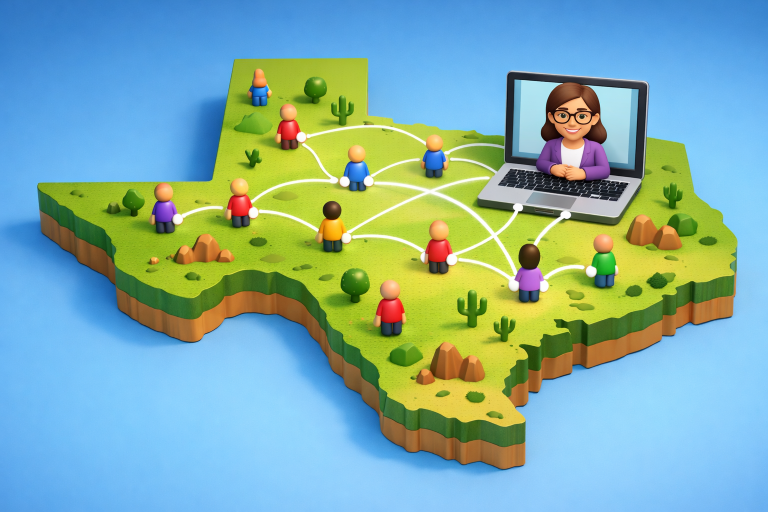
Plains Therapy Group has tackled these access issues using a three-pronged approach.
- Telehealth Services: Patients can meet with licensed therapists from the comfort and privacy of their homes. This solution is particularly critical in rural areas, reducing the burden of travel and providing discreet access for those concerned about stigma.
- Comprehensive Care: The organization offers a full spectrum of therapeutic interventions. Clients benefit from one-on-one counseling, group therapy, and highly specialized programs designed to support particular populations, such as adolescents or those dealing with trauma.
- Community Engagement: Regular partnership efforts with local nonprofits, schools, and health care providers amplify awareness and destigmatize mental health challenges within communities. Education and outreach initiatives help ensure that people know how and when to reach out for help.
The Effectiveness of Plains Therapy Group’s Approach
Numerous studies validate the positive impact of telehealth in reducing mental health disparities, especially in rural areas. Recent findings show that teletherapy can lead to lower hospitalization rates, improved management of depression and anxiety, and overall better long-term outcomes for patients who otherwise would lack care. According to the American Psychological Association (APA), technology-driven therapy is transforming access to quality mental health support, making it possible for organizations like Plains Therapy Group to serve communities that were once left with few options.
Client success stories consistently highlight that early intervention enabled by telehealth leads to faster recovery, greater engagement, and higher satisfaction with mental health services.
Ensuring Quality Care at Plains Therapy Group
Commitment to excellence drives every aspect of care at Plains Therapy Group. The team consists of fully licensed and highly experienced clinicians, all of whom undergo rigorous ongoing professional development. Evidence-based practices form the foundation for all therapeutic offerings, with counselors adhering to the latest industry guidelines and research findings. Feedback from clients and continuous outcome monitoring allow the team to adapt quickly and respond to emerging needs.
Regular training ensures therapists remain equipped to address a broad spectrum of mental health concerns, including emerging or complex conditions. This approach guarantees that clients obtain not only convenient access but also consistently high-quality and effective care.
Future Plans for Plains Therapy Group
Looking ahead, Plains Therapy Group has outlined ambitious plans to serve even more Texans and expand to other regions in need. Key goals include increasing telehealth appointment availability, launching new specialty programs focused on populations such as veterans and adolescents, and strengthening partnerships with community organizations to reduce stigma around mental illness. The group is also exploring new outreach strategies to identify and serve those who might not otherwise seek help, ensuring every individual has a pathway to mental wellness.
As mental health priorities evolve statewide and nationwide, continued innovation and collaboration will remain at the forefront of Plains Therapy Group’s mission.
Frequently Asked Questions
What services does Plains Therapy Group offer?
Plains Therapy Group delivers a breadth of services, including individual counseling, group sessions, and specialty programs supporting unique mental health needs.
How can I access services from Plains Therapy Group?
Services are available for booking via the company website. There, you can schedule in-person or telehealth appointments and discover more about the programs suited for your situation.
Is telehealth as effective as in-person therapy?
Research from major health organizations, like the Mayo Clinic, affirms that telehealth can be as effective as traditional in-person services. It often improves outcomes for individuals in remote or underserved areas by removing barriers to timely care.
Does Plains Therapy Group accept insurance?
The organization works with several insurance providers. Contacting the office directly ensures accurate information regarding current accepted plans and coverage.
Are there services available for children and adolescents?
Yes, specialized programs are designed for youth and adolescents, addressing developmental and situational mental health needs unique to younger clients.

The Editorial Team at Healthcare Business Today is made up of experienced healthcare writers and editors, led by managing editor Daniel Casciato, who has over 25 years of experience in healthcare journalism. Since 1998, our team has delivered trusted, high-quality health and wellness content across numerous platforms.
Disclaimer: The content on this site is for general informational purposes only and is not intended as medical, legal, or financial advice. No content published here should be construed as a substitute for professional advice, diagnosis, or treatment. Always consult with a qualified healthcare or legal professional regarding your specific needs.
See our full disclaimer for more details.