An Overview of Popular Cosmetic Dentistry Procedures
This section will detail the most common treatments available to improve your smile, explaining what each one entails and who it’s best suited for.
Teeth Whitening: The Quickest Path to a Brighter Smile
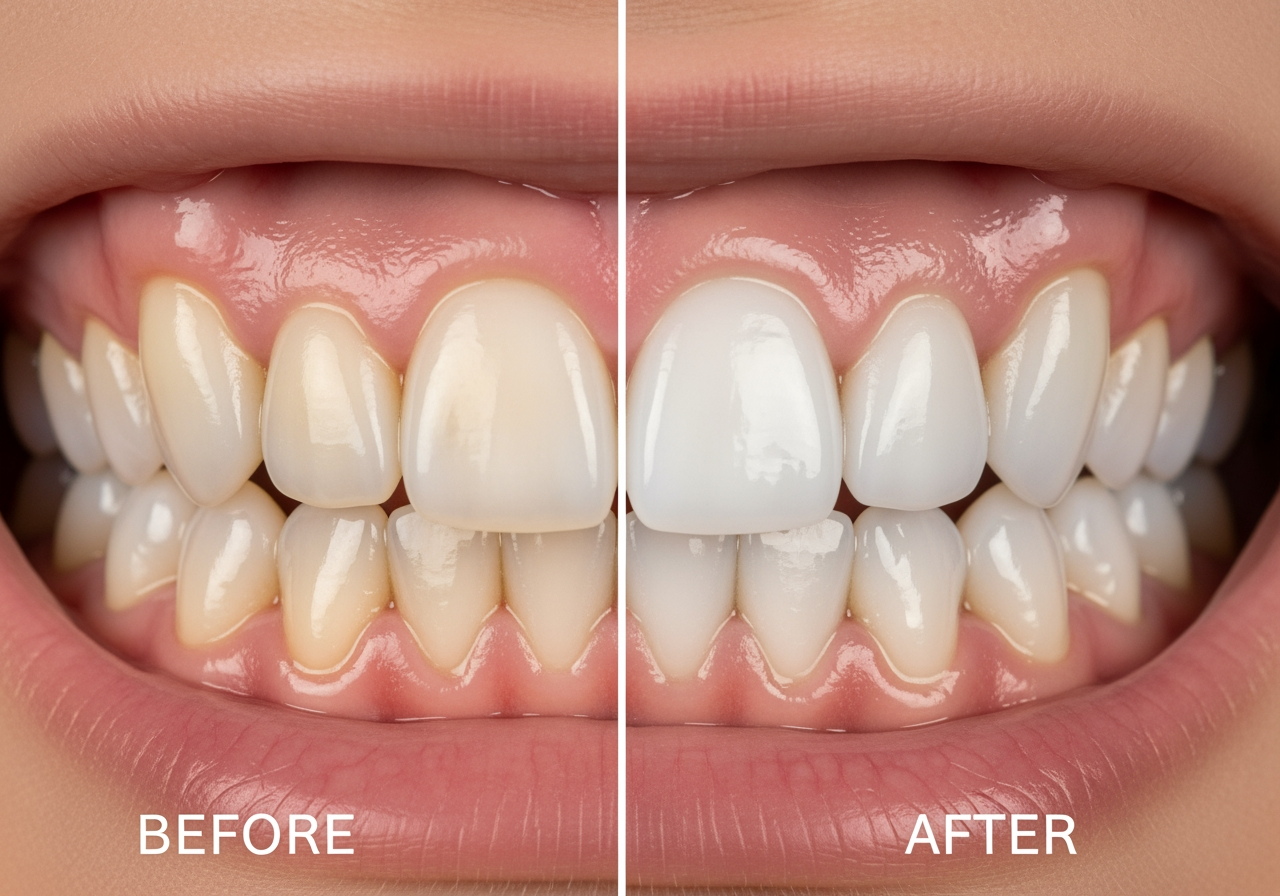
One of the most sought-after cosmetic dental procedures, teeth whitening offers a fast and effective way to brighten your smile. Over time, our teeth can become discolored due to factors such as diet, aging, and lifestyle habits. Whitening treatments work by using bleaching agents, typically hydrogen peroxide or carbamide peroxide, to break down stains on the enamel surface. A consultation is crucial for exploring Top-tier cosmetic dentistry procedures and determining which is best for your unique goals and dental health.
There are primarily two types of professional teeth whitening: in-office treatments and professional take-home kits. In-office whitening provides the fastest results, often brightening your smile by several shades in a single appointment. This is achieved using a higher concentration of bleaching gel, usually activated by a special light, all under the careful supervision of your dentist. Professional take-home kits, on the other hand, involve custom-made trays that fit perfectly over your teeth. You apply a lower concentration gel to these trays and wear them for a specified period each day, usually for a week or two. While results are more gradual, they are still significantly more effective and safer than over-the-counter options. The longevity of your whitening results depends heavily on your oral hygiene practices and lifestyle. Avoiding stain-causing foods and drinks (like coffee, tea, and red wine) and maintaining regular brushing and flossing can help preserve your bright smile for longer. Touch-up treatments may be recommended periodically to maintain optimal results.
Managing Sensitivity During and After Whitening
A common concern with teeth whitening is temporary tooth sensitivity. This occurs because the bleaching agents can temporarily open the microscopic pores (dentinal tubules) in your enamel, allowing stimuli to reach the underlying nerves more easily. If you’ve experienced sensitivity from hot or cold foods in the past, you’re not alone; sensitive teeth affect roughly one in three adults, and whitening can sometimes exacerbate this.
Fortunately, managing sensitivity during and after whitening is highly achievable, often with the help of the best sensitive teeth toothpaste. Many toothpastes formulated for sensitive teeth contain active ingredients that help alleviate this discomfort.
Key Ingredients to Look for in Sensitive Toothpaste:
- Potassium Nitrate: This ingredient works by calming the nerves inside your tooth. It essentially desensitizes nerve endings, making them less likely to transmit pain signals when exposed to triggers such as cold air or sweet foods. Think of it as turning down the volume on an oversensitive alarm system. Toothpastes with potassium nitrate typically show a noticeable reduction in sensitivity within two weeks of consistent use.
- Stannous Fluoride: Unlike potassium nitrate, stannous fluoride works by physically blocking the tiny tubules in your dentin that lead to the nerves. It creates a protective barrier, preventing external stimuli from reaching the sensitive nerve endings. This ingredient also offers the added benefit of protecting against cavities and gingivitis. Some stannous fluoride formulations are clinically proven to provide significant relief in as little as 60 seconds.
- Nano-hydroxyapatite (nHA): This newer ingredient is gaining popularity, especially in fluoride-free formulations. Nano-hydroxyapatite is a synthetic version of the natural mineral that makes up your tooth enamel. It works by filling and repairing microscopic defects in the enamel and dentin, blocking tubules, and helping remineralize and strengthen the tooth structure. This approach is akin to filling in the cracks in a wall rather than just painting over them, offering a more restorative benefit.
When choosing the best toothpaste for sensitive teeth to manage whitening-induced sensitivity, look for products that explicitly state “for sensitive teeth” on the packaging and contain these key ingredients. Brands like Sensodyne and Crest offer various formulations that incorporate these desensitizing agents. For example, some toothpastes combine potassium nitrate and sodium fluoride for comprehensive relief and cavity protection. It’s important to use sensitive toothpaste consistently, typically twice a day, every day, in place of your regular toothpaste. While some products, like Sensodyne Rapid Relief, claim to offer relief in as little as 3 days, many toothpastes for sensitive teeth can take up to two weeks to take full effect.
Can Sensitive Toothpastes Also Whiten?
The good news is that the industry has largely resolved the challenge of whitening teeth without causing sensitivity. Many tooth-whitening toothpastes are now formulated for sensitive teeth, offering gentle stain removal alongside sensitivity relief. These products often use milder abrasives or remineralizing agents to improve tooth surface structure without exacerbating discomfort. For example, Colgate Sensitive Prevent & Repair Toothpaste is a popular option that offers both whitening and sensitivity relief. Conversely, some ingredients should be avoided if you have sensitive teeth, especially during whitening. These include highly abrasive physical whitening additives, such as baking soda (if it causes pain), and artificial sweeteners, which can sometimes trigger discomfort.
Dental Veneers: A Complete Smile Makeover
Dental veneers offer a transformative solution for individuals seeking a complete smile makeover. These custom-made, thin shells are designed to cover the front surface of your teeth, effectively correcting a wide range of aesthetic imperfections.
Porcelain veneers are incredibly popular for their natural appearance, durability, and stain resistance. They are carefully crafted in a dental laboratory to match the desired shape, size, and color of your teeth. The process typically involves several visits: an initial consultation, preparation of the teeth (which consists of removing a small amount of enamel), taking impressions, and, finally, bonding the veneers to your teeth.
Composite veneers, made from tooth-colored resin, offer a more affordable, less invasive alternative. They can often be applied in a single visit, as the material is directly sculpted onto the tooth and then hardened with a special light. While composite veneers are also effective, they may not be as durable or stain-resistant as porcelain.
Veneers are an excellent option for correcting issues such as:
- Chips and cracks: They can restore the tooth’s original appearance.
- Gaps between teeth: Veneers can effectively close small to moderate spaces.
- Severe discoloration: For stains that don’t respond to whitening treatments.
- Mishapen or uneven teeth: They can create a more uniform and symmetrical smile.
The durability of veneers is impressive, with porcelain veneers often lasting 10-15 years or more with proper care. Composite veneers typically have a shorter lifespan, around 5-7 years. Maintaining good oral hygiene, including regular brushing, flossing, and dental check-ups, is crucial for extending the life of your veneers. Avoiding habits like biting on hard objects or using your teeth as tools can also prevent damage.

Dental Bonding: An Affordable Fix for Minor Flaws
Dental bonding is a versatile and cost-effective cosmetic procedure used to repair minor dental imperfections. It involves applying a tooth-colored composite resin to the affected tooth, which is then sculpted, hardened with a special light, and polished to blend seamlessly with your natural teeth.
This procedure is ideal for:
- Repairing chips and cracks: Bonding can effectively restore the appearance of damaged teeth.
- Closing small gaps: It can subtly reduce spaces between teeth.
- Changing the shape of teeth: Bonding can be used to make teeth appear longer or alter their contour.
- Masking discoloration: It can cover intrinsic stains that don’t respond to whitening.
- Protecting exposed tooth roots: In cases of gum recession, bonding can cover the sensitive root surface.
One significant advantage of dental bonding is that it can often be completed in a single visit, making it a convenient option for many patients. It’s also a less invasive procedure compared to veneers, as it typically requires minimal to no removal of tooth enamel. Its cost-effectiveness makes it an attractive choice for those looking for an affordable solution to improve their smile. While not as durable as porcelain veneers or crowns, composite bonding can last for several years with good oral hygiene and care.
Dental Implants: The Gold Standard for Tooth Replacement
For those who have experienced tooth loss, dental implants are the most advanced and durable solution available today. Unlike traditional bridges or dentures, dental implants replace the entire tooth structure, from root to crown, offering unparalleled stability, functionality, and aesthetic appeal.
The core of a dental implant is a small, screw-shaped post, typically made of biocompatible titanium. This post is surgically placed into the jawbone, where it gradually fuses with the bone in a process called osseointegration. This fusion creates a strong, stable foundation, much like a natural tooth root. Once the implant has integrated, an abutment (a small connector) is attached, followed by a custom-made crown that perfectly matches your natural teeth in shape, size, and color.
Dental implants are highly recommended for:
- Replacing single missing teeth: Without affecting adjacent healthy teeth.
- Replacing multiple missing teeth: Supporting bridges or even full arches of teeth.
- Stabilizing dentures: Providing a secure anchor for removable dentures, eliminating slippage and discomfort.
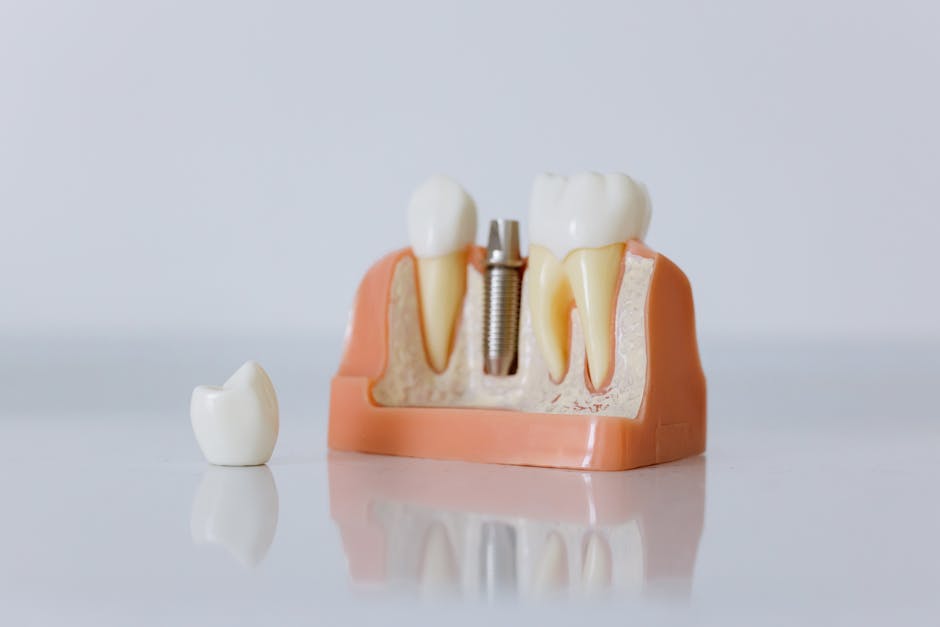
Beyond aesthetics, implants offer significant functional benefits. They restore your ability to chew, speak, and smile with confidence. Crucially, they also help preserve jawbone health, preventing the bone loss that often occurs after tooth extraction. With proper care, dental implants can last a lifetime, making them a long-term investment in your oral health and overall well-being.
Invisalign & Clear Aligners: Straightening Teeth Discreetly
For individuals seeking to correct misaligned teeth without the noticeable appearance of traditional braces, Invisalign and other clear aligner systems offer a discreet and effective alternative. These systems use a series of custom-made, transparent plastic trays that gradually shift your teeth into the desired position.
The treatment process begins with a detailed 3D scan of your teeth, which is used to create a precise treatment plan and a series of aligners. You wear each set of aligners for about one to two weeks, removing them only to eat, drink, brush, and floss. As you progress through the series, your teeth slowly move into alignment. Regular check-ups with your dentist or orthodontist ensure the treatment is progressing as planned.
Clear aligners are ideal candidates for:
- Crowded teeth: Creating space and proper alignment.
- Gaps between teeth: Closing spaces for a more uniform smile.
- Overbites, underbites, and crossbites: Correcting bite irregularities.
- Relapse after traditional braces: Realigning teeth that have shifted over time.
Beyond their aesthetic advantage, clear aligners offer several lifestyle benefits. They are removable, making eating and oral hygiene easier than with traditional braces. The smooth plastic material is also more comfortable, reducing the risk of irritation to the cheeks and gums. This discreet approach to orthodontics empowers many adults and teenagers to achieve a straighter, healthier smile without compromising their appearance during treatment.
Choosing the Right Procedure and Finding a Qualified Dentist
The success of your smile change heavily depends on selecting the appropriate treatment and a skilled professional.
Key Questions to Ask Your Cosmetic Dentist
Choosing a cosmetic dentist and the right procedure is a significant decision. To ensure you make an informed choice and feel confident in your treatment plan, we recommend asking a series of thoughtful questions during your initial consultation. These questions will help you assess the dentist’s experience, understand the proposed treatments, and clarify financial and logistical aspects.
Here are some key questions to guide your discussion:
- What are my options for achieving my desired smile, and what are the pros and cons of each? A good cosmetic dentist will present a range of suitable treatments, explaining why each might be a good fit for your specific situation.
- What is your experience with the procedure I am considering? Inquire about their training, how many times they’ve performed the procedure, and their success rates.
- Can I see before-and-after photos of your work, particularly for cases similar to mine? This provides tangible evidence of their aesthetic judgment and technical skill.
- What are the potential risks and benefits associated with this procedure? Understanding both sides will help you set realistic expectations.
- What is the estimated total cost of the treatment, and what does it include? Ensure you get a clear breakdown of all fees, including consultations, procedures, and follow-up care.
- What is the expected timeline for the entire treatment process? From initial consultation to final results, knowing the duration helps with planning.
- How will this procedure impact my daily life during and after treatment? For instance, with teeth whitening, you might ask about managing any temporary sensitivity, or with veneers, what maintenance is required.
- What kind of follow-up care or maintenance will be necessary after the procedure? This is crucial for preserving the longevity and appearance of your cosmetic investment.
- What financing options or payment plans do you offer? If the cost is a concern, understanding available options can be very helpful.
- Are there any alternative, less invasive treatments that could achieve similar results? A comprehensive dentist will always consider the most conservative yet effective approach.
By asking these questions, you will gain a clearer understanding of your options, the dentist’s expertise, and what to expect throughout your cosmetic dentistry journey.
The Financial Aspect of Cosmetic Dentistry
Understanding the investment required is a key part of the planning process. Costs can vary widely based on the procedure, materials, and the dentist’s expertise.
Understanding the Costs of Common Cosmetic Dentistry Procedures
Cosmetic dentistry is an investment in your confidence and oral health, and understanding the financial aspect is crucial for planning. The cost of cosmetic procedures can vary significantly due to several factors, including the complexity of the case, the materials used, the dentist’s experience and location, and the number of teeth being treated.
Here’s a general overview of factors affecting the cost of common cosmetic dentistry procedures:
- Teeth Whitening: This is typically the most affordable cosmetic procedure. In-office treatments usually range from a few hundred dollars, while professional take-home kits are often less. The cost can depend on the type of bleaching agent and the number of sessions required.
- Dental Bonding: As a single-visit, less invasive procedure, bonding is generally more budget-friendly than veneers or crowns. Costs are usually per tooth and depend on the extent of the repair.
- Dental Veneers: Porcelain veneers are a more significant investment due to the custom craftsmanship and durable materials. Costs are per tooth and can vary based on the type of porcelain and the laboratory fees. Composite veneers are a less expensive alternative.
- Dental Implants: This is one of the more costly procedures, reflecting its permanence and comprehensive nature. The cost includes the implant post, abutment, and crown, as well as surgical fees. Factors such as bone grafting (if needed) can also increase the expense.
- Invisalign/Clear Aligners: The cost for clear aligner therapy is comparable to traditional braces and depends on the complexity and duration of your treatment plan.
Insurance Coverage Limitations: Most dental insurance plans consider cosmetic dentistry procedures elective and typically do not cover the full cost. However, if a procedure also offers restorative or health benefits (e.g., a crown for a damaged tooth, or implants to prevent bone loss), a portion of the cost might be covered. We always recommend checking with your insurance provider directly to understand your specific benefits.
Financing Options: To make cosmetic dentistry more accessible, many dental practices offer a range of financing options. These can include:
- Payment Plans: Arranging to pay for your treatment in installments directly through the dental office.
- Third-Party Financing: Companies like CareCredit offer special healthcare financing with low-interest or interest-free payment plans for qualified applicants.
- Flexible Spending Accounts (FSAs) or Health Savings Accounts (HSAs): If you have one of these, you can use pre-tax dollars to pay for eligible dental expenses.
Frequently Asked Questions about Cosmetic Dentistry
Is cosmetic dentistry painful?
One of the most common concerns patients have about cosmetic dentistry is the potential for pain. We understand that dental anxiety is real, and we prioritize your comfort throughout any procedure. The good news is that modern cosmetic dentistry is designed to be as pain-free as possible.
- Anesthesia and Sedation: For most cosmetic procedures, local anesthesia is used to numb the treatment area, ensuring you don’t feel pain during the procedure. For more extensive treatments or for patients with significant anxiety, various sedation options are available, ranging from nitrous oxide (laughing gas) to oral conscious sedation, which helps you relax deeply while remaining aware.
- Post-Procedure Discomfort: While the procedures themselves are typically painless, some post-procedure discomfort is normal, especially with more invasive treatments such as dental implants or veneer preparation. This discomfort is usually mild and temporary, often described as soreness or tenderness. Over-the-counter pain relievers are usually sufficient to manage it.
- Managing Pain: Your dentist will provide specific post-operative instructions and may prescribe medication if needed. For mild sensitivity, particularly after procedures like teeth whitening or if you generally have sensitive teeth, using the best sensitive teeth toothpaste can be highly effective. These toothpastes, containing ingredients such as potassium nitrate or stannous fluoride, help calm nerve endings or block exposed dentinal tubules, reducing discomfort. Consistency is key when using sensitive toothpaste, as it can take a few days or weeks to build its protective effect.
- Minimally Invasive Options: Many cosmetic procedures, such as dental bonding or some clear aligner treatments, are minimally invasive and typically involve little to no discomfort during or after the procedure.
How long do the results of cosmetic procedures last?
The longevity of your cosmetic dentistry results is a key consideration, as it varies significantly depending on the specific procedure, your oral hygiene habits, and your lifestyle.
- Teeth Whitening: While immediate results are impressive, the results are not permanent. Typically, results last from six months to two years, depending on your diet (stain-causing foods/drinks) and oral hygiene. Regular touch-up treatments can extend these results.
- Veneer Lifespan: Porcelain veneers are highly durable and can last 10 to 15 years or longer with proper care. Composite veneers typically have a shorter lifespan, around 5 to 7 years, as they are less resistant to wear and staining.
- Implant Durability: Dental implants are renowned for their permanence. The titanium post that fuses with your jawbone is designed to last a lifetime. The crown attached to the implant, however, may need to be replaced after 10 to 15 years due to normal wear and tear, similar to a natural tooth crown.
- Dental Bonding: Results typically last 3 to 10 years. The composite resin material is susceptible to chipping or staining over time, especially with habits such as biting hard objects or consuming highly pigmented foods.
- Clear Aligners (Invisalign): Once your teeth are straightened with clear aligners, the results can be permanent, but only if you diligently wear your retainers as instructed by your dentist. Without retainers, teeth can gradually shift back to their original positions.
- Role of Oral Hygiene: Regardless of the procedure, excellent oral hygiene is paramount to extending the life of your cosmetic improvements. This includes:
- Brushing twice daily: Use a soft-bristled toothbrush and a non-abrasive toothpaste. If you experience sensitivity, especially with cosmetic restorations, choosing the best toothpaste for sensitive teeth can help protect your investment and maintain comfort.
- Flossing daily: To remove plaque and food debris from between teeth and around restorations.
- Regular dental check-ups and cleanings: These appointments allow your dentist to monitor the condition of your cosmetic work, address any issues promptly, and provide professional cleaning that helps preserve your results.
- Avoiding damaging habits: Such as chewing on ice, biting nails, or using your teeth to open packages.
Can any dentist perform cosmetic dentistry procedures?
While all dentists receive general dentistry training, which includes basic aesthetic principles, cosmetic dentistry is a specialized field. Technically, any licensed dentist can perform cosmetic procedures, but the level of expertise, experience, and artistic skill can vary dramatically.
- General vs. Cosmetic Training: General dentists focus on the overall health and function of your teeth and gums, including preventive care, fillings, extractions, and root canals. Cosmetic dentists, however, pursue additional post-doctoral training, continuing education courses, and often certifications specifically in aesthetic procedures. This specialized training equips them with advanced techniques, a deeper understanding of facial aesthetics, and the artistry required to create truly transformative smiles.
- Importance of Experience: Experience is crucial to the success of cosmetic procedures. A dentist who has performed hundreds or thousands of veneer placements, bonding procedures, or implant restorations will undoubtedly have a more refined technique and a better understanding of potential challenges than one who performs them infrequently.
- Checking Credentials: When choosing a cosmetic dentist, it’s wise to look for affiliations with prestigious organizations, such as the American Academy of Cosmetic Dentistry (AACD). Membership or accreditation often indicates a commitment to excellence and ongoing education in the field.
- Reviewing Portfolios: A reputable cosmetic dentist will typically have a portfolio of before-and-after photos of their previous patients. Reviewing these cases can give you a strong indication of their aesthetic style and the quality of their work. Don’t hesitate to ask for references or testimonials.
While a general dentist can perform some cosmetic treatments, for complex smile makeovers or highly aesthetic procedures, choosing a dentist with extensive experience and specialized training in cosmetic dentistry is highly recommended. Their expertise can significantly impact the outcome, ensuring a result that is not only beautiful but also harmonious with your overall facial features and long-lasting.
Conclusion: Investing in Your Confidence and Smile
Starting a cosmetic dentistry journey is more than just enhancing your teeth’s appearance; it’s an investment in your overall well-being and confidence. From the rapid change of teeth whitening, where even considerations like the best sensitive teeth toothpaste play a role in your comfort, to the comprehensive makeovers offered by veneers and the enduring solution of dental implants, modern dentistry provides an array of options to achieve your ideal smile.
We’ve explored how procedures like dental bonding can address minor flaws affordably, and how clear aligners offer a discreet path to straighter teeth. Each treatment, while distinct, shares the common goal of improving both the aesthetics and often the function of your smile.
The value of a professional consultation cannot be overstated. It’s your opportunity to discuss your aspirations, understand the various procedures, and have all your questions answered by a skilled professional. This initial step is crucial for tailoring a treatment plan that aligns with your unique needs and expectations.
Maintaining your beautiful new smile also means committing to long-term oral health practices. Regular check-ups, diligent brushing and flossing, and promptly addressing concerns such as tooth sensitivity are essential to protect your investment. A confident smile can open doors, improve self-esteem, and positively impact many aspects of your life. By understanding what to expect from cosmetic dentistry and choosing the right professional, you’re not just changing your teeth; you’re investing in a brighter, more confident you.

The Editorial Team at Healthcare Business Today is made up of experienced healthcare writers and editors, led by managing editor Daniel Casciato, who has over 25 years of experience in healthcare journalism. Since 1998, our team has delivered trusted, high-quality health and wellness content across numerous platforms.
Disclaimer: The content on this site is for general informational purposes only and is not intended as medical, legal, or financial advice. No content published here should be construed as a substitute for professional advice, diagnosis, or treatment. Always consult with a qualified healthcare or legal professional regarding your specific needs.
See our full disclaimer for more details.