Key Takeaways
- Regular physical activity helps reduce pain intensity and increases mobility.
- Balanced, nutrient-rich diets can combat inflammation and support overall pain management.
- Quality sleep is vital for healing, pain relief, and overall health.
- Managing stress effectively can lower pain perception and improve coping.
- Achieving and maintaining a healthy weight eases strain on joints and reduces pain.
Table of Contents
Managing chronic pain is a multifaceted challenge that extends beyond medical treatments. Smart lifestyle decisions can influence both pain perception and overall well-being, helping sufferers regain control of their daily lives. By adopting healthy habits, many people discover practical ways to alleviate discomfort and enhance their quality of life. For those seeking expert guidance, exploring options such as Pain Management Chicago is a good starting point for comprehensive support and professional recommendations. Integrating positive lifestyle changes not only addresses pain but can also boost mental health and support the body’s ability to recover and function. From maintaining a nutritious diet to improving sleep and adopting effective stress management strategies, each choice you make can directly affect your pain experience. Even relatively modest changes, such as a daily walk or prioritizing rest, may add up to noticeable improvements over time. Recognizing which areas of life can be adjusted and how they impact pain is essential for developing a personalized pain management plan.
The Role of Physical Activity
Regular exercise is a cornerstone of effective chronic pain management. Movement helps reduce stiffness, improves blood flow, and releases endorphins, which are the body’s natural painkillers. Activities such as walking, swimming, yoga, or gentle stretching can all help build stronger muscles and improve flexibility without worsening pain symptoms. For individuals with arthritis or joint pain, the Mayo Clinic notes that incorporating physical activity into daily life can significantly ease pain and enhance joint function. It can also be helpful to seek activities that provide both physical and social benefits. Group exercise classes, swimming groups, or walking clubs may offer added motivation while expanding one’s support network. Making physical activity enjoyable and part of a routine, rather than a chore, increases adherence and results. Additionally, consulting with a physical therapist or movement specialist can help create a pain-friendly exercise plan and minimize the risk of injury. By progressively building strength and flexibility, people living with chronic pain may be able to perform daily tasks with greater ease and reduced discomfort.
Nutrition and Pain Management
What you eat has a profound effect on inflammation levels within the body, which is a primary driver of chronic pain. Diets rich in colorful fruits, vegetables, whole grains, healthy fats, and lean proteins provide antioxidants and vital nutrients that can help reduce inflammation. Some research suggests that an antioxidant-rich diet may be particularly effective for women living with chronic pain conditions. Avoiding ultra-processed foods and added sugars is equally important, as these can increase inflammation and trigger pain flare-ups. Discover how diet impacts chronic pain.
Meal planning and mindful eating are also effective ways to ensure you stay on track with your nutritional goals. Preparing meals at home can help control ingredients and portion sizes, while paying attention to hunger and fullness cues fosters a more harmonious relationship with food. Supplements such as omega-3 fatty acids or vitamin D may also be beneficial for some individuals. Still, it’s wise to consult with a physician or registered dietitian before adding new supplements to your regimen. Over time, these dietary adjustments can support sustained pain relief and improved vitality.
Importance of Quality Sleep
Sleep is critical for pain management because the body’s repair processes are most active during rest. Inadequate or poor-quality sleep can increase pain sensitivity, lower pain thresholds, and hinder the body’s natural healing. Establishing a bedtime routine, turning off electronics well before sleeping, and creating a calm, dark environment can all improve sleep quality. The Sleep Foundation reports that even minor sleep disruptions can affect the brain’s perception of pain, making the same levels of discomfort feel more severe. To further support restful sleep, consider practicing relaxation techniques just before bedtime, such as mild stretching, breathing exercises, or listening to gentle music. Reducing caffeine intake in the afternoon and evening, maintaining a consistent sleep schedule, and ensuring adequate exposure to natural light during the day are other practical strategies to support your circadian rhythm. Over time, these changes can help improve both sleep quality and overall resilience in the face of chronic pain.
Stress Management Techniques
Managing chronic pain also means dealing with the emotional and psychological effects that persistent discomfort can bring. Chronic stress can intensify pain, making even minor aches feel amplified. Techniques such as mindfulness meditation, slow, deep breathing, and making time for hobbies or connecting with friends have been shown to decrease stress and lower pain perception. According to the Cleveland Clinic, well-managed stress fosters better overall wellness and reduces the disruption of pain in daily life. Other effective stress-management methods include journaling, spending time in nature, and engaging in creative pursuits such as art, music, or gardening. Joining support groups or seeking professional counseling can also offer coping mechanisms and emotional relief when pain becomes overwhelming. Understanding your unique stress triggers and identifying healthy outlets is a long-term investment in self-care and comfort.
Maintaining a Healthy Weight
Carrying extra weight can significantly increase strain on joints, particularly in the knees, hips, and lower back. This added pressure can exacerbate conditions such as osteoarthritis, fibromyalgia, or back pain. Adopting a whole-food diet and engaging in regular physical activity are proven strategies for long-term weight management and, as a result, pain reduction. Even a modest weight loss can lead to substantial improvements in pain levels and mobility. Maintaining a healthy weight involves consistency and a combination of mindful eating, adequate physical movement, and, when necessary, professional support. Tracking your progress and celebrating small successes can fuel motivation and help reinforce positive habits. For some individuals, working with a health coach or participating in a structured weight management program can make all the difference in achieving their goals and sustaining them long-term.
Conclusion
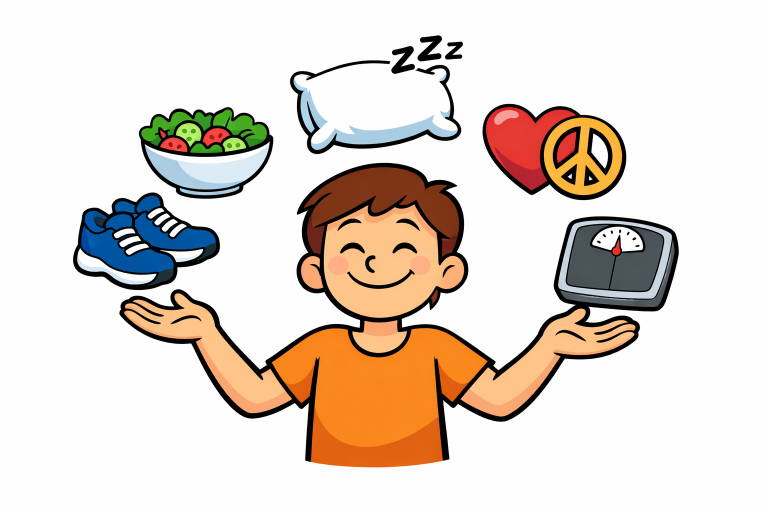
Adopting healthier lifestyle habits has a powerful effect on chronic pain management. By focusing on regular physical activity, a balanced diet, quality sleep, proven stress-reduction methods, and weight control, people with chronic pain can take active steps to reduce discomfort and improve their overall well-being. Consulting healthcare professionals, such as pain specialists and nutritionists, can provide additional support on this journey toward a pain-managed life. Remember that managing chronic pain is a highly individual journey and often requires experimentation to find what works best for you. Be patient with yourself and remain open to exploring various techniques and resources. Support from friends, family, and professionals can provide encouragement and accountability as you navigate the complexities of chronic pain. With intention and persistence, it is possible to craft a lifestyle that reduces pain and nurtures greater physical and emotional balance.

The Editorial Team at Healthcare Business Today is made up of experienced healthcare writers and editors, led by managing editor Daniel Casciato, who has over 25 years of experience in healthcare journalism. Since 1998, our team has delivered trusted, high-quality health and wellness content across numerous platforms.
Disclaimer: The content on this site is for general informational purposes only and is not intended as medical, legal, or financial advice. No content published here should be construed as a substitute for professional advice, diagnosis, or treatment. Always consult with a qualified healthcare or legal professional regarding your specific needs.
See our full disclaimer for more details.