Key Takeaways
- Group activities help reduce isolation and loneliness in older adults.
- Programs that are physical, creative, or virtual benefit overall health.
- Community initiatives create essential social engagement for seniors.
As people age, the importance of belonging and social engagement becomes even more central to a healthy, enjoyable life. Staying active through group programs can help address loneliness and support well-being in a wide number of ways. Many seniors find a renewed sense of purpose and companionship through options like group exercise, creative workshops, and nature outings. At a local Sparta senior living community, residents experience firsthand how maintaining connections enhances their overall happiness and wellness while participating in activities designed with older adults in mind.
Opportunities for socializing extend beyond in-person gatherings. With the help of modern technology, seniors can join community events and classes virtually, keeping relationships strong and mood high even when meeting face to face is not possible. These various approaches ensure that seniors have the support they need to remain connected, motivated, and included.
Nature-Based Group Activities
Time spent in nature is increasingly recognized for its restorative influence on mood and wellness, especially among older adults. Group outings to parks or gardens, guided nature walks, and outdoor social meetups can be particularly effective for those coping with loneliness. Recent research from the University of Helsinki found that seniors who participated in weekly nature-based group activities showed improved sleep quality, sharper memory, and greater emotional balance than those who did not. These excursions offer regular opportunities for conversation and shared experiences, letting participants build friendships in a relaxing, therapeutic setting.
Intergenerational Dance Programs
Another innovative way to encourage movement and meaningful contact is through intergenerational dance programs. In Singapore, a collaborative project brought together students and seniors for community dance classes. These sessions offered gentle exercise, cognitive stimulation, and the joyful rhythm of music while also serving as a bridge between generations. Dancers built trust, learned one another’s stories, and improved emotional well-being as they moved and interacted together. Studies show that such dance programs are especially rewarding, as they boost both physical health and a sense of belonging in senior participants.
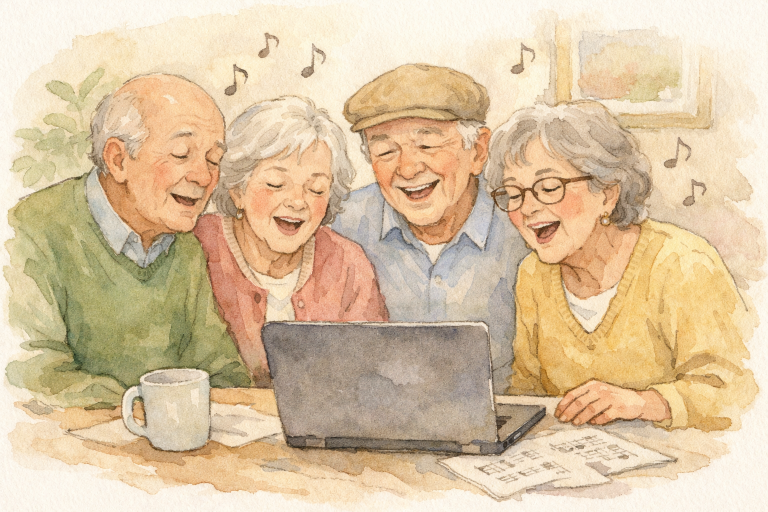
Virtual Singing and Choir Participation
Music remains an accessible and powerful connector for people of all ages. For seniors who cannot easily travel, virtual choirs and singing groups have proven to be uplifting and therapeutic. During the COVID-19 pandemic, these online communities became not only sources of entertainment but also lifelines that maintained social bonds and provided emotional comfort. Participants reported reduced stress, improved mood, and a renewed sense of purpose as they sang together and formed friendships with others, even across great distances.
Art Therapy Sessions
Creative expression through art therapy provides an outlet for communication, self-discovery, and social interaction. At places like Beron Jewish Older Adult Services in Atlantic City, art workshops invite seniors to work with painting, sculpture, or crafts in a collaborative atmosphere. These sessions encourage conversation and self-reflection, grant participants a sense of accomplishment, and reinforce social ties through shared artistic endeavors.
Equine-Assisted Therapy
Animal-assisted therapies, such as those involving horses, offer seniors a unique source of comfort and connection. At the nonprofit Hold Your Horses in Minnesota, older adults are invited to help care for and interact with horses as a way to ease anxiety and spark mindfulness. Activities such as walking or gently brushing these animals allow participants to embrace new challenges, quiet the mind, and foster emotional balance in a peaceful environment.
Community Exercise Groups
Regular physical activity in a supportive group setting delivers wide-ranging benefits for seniors. Classes in walking, yoga, or strength training, often found at wellness centers and retirement communities, give participants an enjoyable opportunity to socialize and build lasting relationships. For example, in Park City, Utah, seniors at the Intermountain Health’s Lifestyle Medicine and Wellness Center credit their improved mobility and outlook to the camaraderie of their exercise group. Engaging together in these routines not only supports better health but also combats loneliness by creating steady opportunities for meeting others with shared goals.
Virtual Reality Social Platforms
For some older adults, virtual reality (VR) opens the door to entirely new ways of meeting people and engaging in cognitive activities. VR platforms designed specifically for seniors enable users to join virtual communities, play games like chess, or participate in immersive group events without leaving home. These digital spaces encourage meaningful interaction, provide a stimulating change of pace, and allow for friendships to flourish even when mobility is limited.
Conclusion
Rich social connections are essential for seniors seeking to remain healthy, positive, and engaged. Whether it is walking in nature, making art, dancing, or assembling virtually, there are countless programs that foster group participation and friendship. Communities and organizers should continue to champion and develop these activities so that more older adults can experience the joy and security of regular, meaningful connections.

The Editorial Team at Healthcare Business Today is made up of experienced healthcare writers and editors, led by managing editor Daniel Casciato, who has over 25 years of experience in healthcare journalism. Since 1998, our team has delivered trusted, high-quality health and wellness content across numerous platforms.
Disclaimer: The content on this site is for general informational purposes only and is not intended as medical, legal, or financial advice. No content published here should be construed as a substitute for professional advice, diagnosis, or treatment. Always consult with a qualified healthcare or legal professional regarding your specific needs.
See our full disclaimer for more details.