
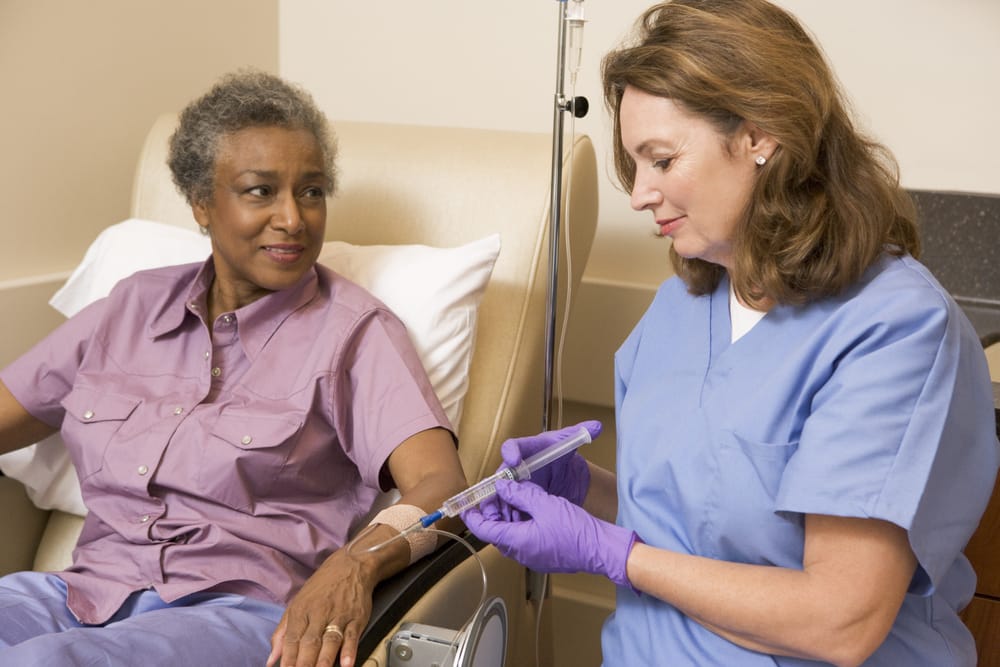
Integrative oncology has rightfully earned its place at the center of modern cancer care. As cancer treatment becomes increasingly sophisticated and survivorship improves, there is growing recognition that patients need more than surgery, chemotherapy, and radiation alone. They need care that addresses the whole person, including body, mind, and spirit. Integrative oncology offers exactly that, combining evidence-based complementary therapies with conventional treatment to improve outcomes, reduce side effects, and enhance quality of life.
At its core, integrative oncology is not “alternative” medicine. It does not replace standard cancer treatments; rather, it works alongside them. This distinction is critical. Research demonstrates that when patients abandon conventional cancer treatment to pursue alternative medicine, many have worse survival outcomes. The goal of integrative oncology is to use scientifically supported approaches such as exercise, nutrition, acupuncture, mind-body practices, and psychosocial support, to help patients better tolerate treatment and recover more fully. Research from major cancer centers, including MD Anderson and MSK, has demonstrated that these interventions can significantly reduce symptoms like fatigue, nausea, pain, and anxiety.
One of the strongest arguments for integrating these therapies into standard care is symptom management. Cancer treatments, while life-saving, often come with a heavy burden of side effects. Chemotherapy-induced nausea, fatigue, chronic pain and neuropathy, can severely diminish a patient’s quality of life and force patients and doctors to stop life saving cancer therapies. Integrative therapies such as acupuncture and mindfulness-based stress reduction have been shown to alleviate many of these symptoms safely and effectively. When patients feel better physically, they are more likely to adhere to their treatment plans,ultimately improving clinical outcomes.
Beyond physical symptoms, cancer profoundly impacts emotional and psychological well-being. Anxiety, depression, and fear are common but often under-addressed in traditional oncology settings. Integrative oncology places a strong emphasis on mental health through interventions like exercise, meditation, yoga, and music therapy. These approaches help patients build resilience, cope with uncertainty, and maintain a sense of control during a deeply challenging time. Emotional well-being is not a luxury in cancer care—it is a critical component of healing.
Importantly, integrative oncology also empowers patients. A cancer diagnosis often leaves individuals feeling powerless, as decisions are made quickly and treatments can feel overwhelming. One of the most common questions patients ask their doctor following a cancer diagnosis is, “Doctor, is there anything I can do?” Integrative care introduces tools and practices that patients can actively engage in, from breathing exercises, to dietary changes, gentle movement, and more. This sense of participation can improve psychological outlook, adherence to treatment plans, and overall satisfaction with care.
Critics sometimes argue that integrative oncology lacks sufficient evidence, but this perception is outdated. A growing body of peer-reviewed research supports many integrative therapies, and leading oncology organizations, including the Society for Integrative Oncology (SIO) and American Society of Clinical Oncology (ASCO), have developed clinical guidelines to standardize recommendations for integrative medicine for symptom management. One of the most talked about studies after the 2025 ASCO Annual Meeting was the CHALLENGE Trial, a randomized study of 889 colon cancer patients that showed a 37% reduction in deaths from all causes for patients who participated in a structured exercise program.
Despite its growing evidence base, integrative oncology faces several barriers to implementation at the hospital and clinic level. Limited reimbursement structures often make it financially challenging to offer services like acupuncture, nutrition counseling, or mind-body therapies, leading many institutions to rely on philanthropy or deprioritize them. Additionally, there is a lack of standardized training and credentialing across providers, which can create hesitation among hospital leadership to formally integrate these services. Operational constraints such as space, staffing, and time within already burdened oncology service lines also pose challenges. Together, these factors make scaling integrative oncology programs in-house a complex but addressable challenge.
In the past year, researchers from MSK found that participation in a virtual integrative medicine program while receiving oncological treatment not only improved patients’ fatigue, depression, and physical symptoms, but also led to a 69% reduction in hospitalization rate, 42% reduction in treatment disruption, and 16% absolute improvement in overall survival. This points to the potential for a scalable, virtual integrative care platform to overcome common implementation barriers, while improving patient outcomes and reducing total cost of care.
Ultimately, cancer care should not be limited to treating tumors—it should focus on treating people. Integrative oncology aligns with this philosophy by bridging the gap between cutting-edge medical treatment and compassionate, patient-centered care. As the evidence base grows and patient demand increases, it is becoming clear that integrative oncology is a necessary component of modern cancer care.

Chip Stine
Chip Stine is Co-Founder and CEO of Greatly Health, a digital platform expanding access to evidence-based integrative oncology care

Jun J. Mao, MD, MSCE
Jun J. Mao, MD, MSCE, is Chief of the Integrative Medicine & Wellness Service at MSK and Co-Founder of Greatly Health, where he brings over two decades of clinical research and practice in integrative cancer care.


