Key Takeaways
- Digital storytelling humanizes detox centers, making them more relatable to those in need.
- Authentic patient stories can alleviate fears and encourage individuals to seek help.
- Incorporating digital narratives into marketing strategies can enhance a center’s online presence and reputation.
Table of Contents
In the world of addiction recovery, trust can make the difference between someone reaching out for help or continuing to struggle alone. Detox centers must bridge the gap between skepticism and belief, and digital storytelling is emerging as a key strategy for making that happen. Through compelling narratives, these centers have the opportunity to become more relatable and trustworthy to those seeking help. For example, using Drug Detox Marketing strategies rooted in real-life stories can break down barriers and create a sense of personal connection.
Digital storytelling involves more than just testimonials. It is an immersive approach that blends authenticity, empathy, and multimedia technology to paint a holistic picture of recovery. By highlighting not only successes but also the everyday realities and setbacks of those in recovery, detox centers can position themselves as genuinely caring and transparent organizations. This honest communication is what potential clients and families are searching for as they weigh the options for their next step.
When someone visits a detox center’s website or social media, the presence of genuine narratives can spark hope. Instead of polished advertisements, potential clients and their loved ones gravitate to authentic content that speaks to their fears and aspirations. Authentic storytelling can address misconceptions about detox, reinforce the importance of seeking professional help, and showcase the supportive environment available to those in need.
Incorporating digital storytelling supports more than trust-building. It also has practical benefits for online visibility, helping detox centers improve their digital footprint and reach more individuals through organic search and social channels. Leveraging honest stories can humanize the center, foster engagement, and ultimately motivate more people to take the courageous step toward recovery.
Understanding Digital Storytelling
Digital storytelling in the context of addiction recovery is the art of sharing stories using media such as videos, blogs, podcasts, and interactive websites. For detox centers, these stories often focus on the journey of recovery, laying bare the initial struggles, the crucial decision to seek help, and the ongoing process of healing. By employing these storytelling techniques, detox centers can transcend the standard informational message and deliver narratives that resonate emotionally and instill hope.
This technique is not limited to written or spoken testimonials. Effective digital storytelling might include video interviews with recovered patients, photo essays depicting life at the facility, or blog posts tracing a staff member’s unique perspective. It can even involve interactive timelines or infographics, providing an engaging way for audiences to learn about the detox process and what to expect when taking that first step toward recovery.
The Impact of Authentic Narratives
The foundation of trust is authenticity. Studies show that people seek information about health and wellness from sources that seem credible and truthful. Authentic stories help detox centers demonstrate their commitment to transparency and care. According to the Health Affairs Forefront, the consumption of real patient stories has changed how people understand and navigate healthcare decisions, especially in sensitive areas like addiction recovery.
When detox centers share raw and honest experiences from real individuals, it can reduce skepticism and give hope to those who may feel isolated in their struggle. These narratives show that recovery is possible and that others have walked a similar path, making the process less intimidating and more achievable.
Building Trust Through Patient Stories
Showcasing patient stories accomplishes several important objectives for a detox center. First, it gives potential clients a clear sense of what to expect at the facility. They can see, through the eyes of peers, how staff members approach care and what the day-to-day experience is like. These stories also act as powerful word-of-mouth endorsements, especially when shared through social media or the center’s website.
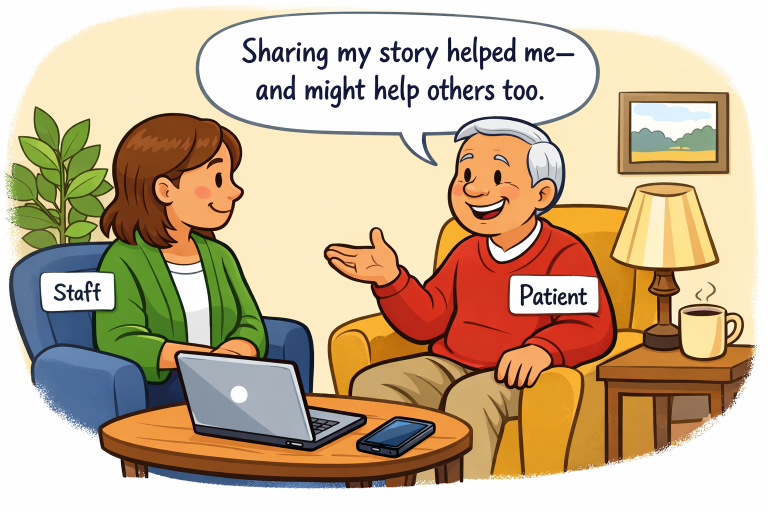
Involving not just patients, but also their families, alumni, and staff in storytelling demonstrates a sense of community and shared purpose. Sharing personal experiences of addiction and recovery can facilitate healing and foster empathy between storytellers and listeners. This process helps reduce stigma while strengthening the authenticity of a center’s message.
Ethical Considerations in Digital Storytelling
Ethics must guide every storytelling endeavor. Patient privacy is paramount, and detox centers should always obtain explicit consent before sharing any individual’s story. Furthermore, narratives should be presented with respect, prioritizing the dignity of every subject and avoiding sensationalism. Upholding these ethical standards maintains both the trust of the patient community and the reputation of the detox center itself.
Integrating Digital Storytelling into Marketing Strategies
Blending digital storytelling with marketing strategies helps detox centers stand apart in a crowded online landscape. By weaving personal stories into website copy, social media campaigns, and digital advertising, centers can attract new clients and strengthen relationships with existing ones. Engaging content that speaks to the lived experiences of clients will also boost search engine optimization, drawing in people who are searching for authentic guidance and support.
Resources like Forbes stress the importance of authentic storytelling in engaging audiences across all digital platforms. Using these techniques helps centers create content that is not only informative but also memorable and highly shareable.
Measuring the Effectiveness of Digital Storytelling
To maximize the impact of digital storytelling, detox centers should regularly review metrics such as website traffic, time spent on storytelling pages, engagement on social media, and conversion rates from viewers to admissions or inquiries. Gathering and analyzing this data reveals which stories and formats resonate most with the audience and provides clear direction for future content investments.
Utilizing surveys or direct feedback can further enhance this process. By asking new clients if a particular story influenced their decision, centers can refine their messaging and focus on content that truly inspires action.
Conclusion
Digital storytelling is more than a trend in addiction recovery marketing; it is a proven tool for building trust, reducing stigma, and encouraging engagement. Through authentic, ethical, and emotionally resonant stories, detox centers can foster long-term connections with individuals and families on the journey to recovery. A blend of transparency, empathy, and strategic content creation is what sets the most trusted detox centers apart, giving hope to those who need it most.

The Editorial Team at Healthcare Business Today is made up of experienced healthcare writers and editors, led by managing editor Daniel Casciato, who has over 25 years of experience in healthcare journalism. Since 1998, our team has delivered trusted, high-quality health and wellness content across numerous platforms.
Disclaimer: The content on this site is for general informational purposes only and is not intended as medical, legal, or financial advice. No content published here should be construed as a substitute for professional advice, diagnosis, or treatment. Always consult with a qualified healthcare or legal professional regarding your specific needs.
See our full disclaimer for more details.