Key Takeaways
- Responsive parenting shapes long-term health and supports healthy weight management in children.
- Physical activity and limited screen use are major contributors to robust cognitive and physical growth in toddlers.
- Predictable routines and health-positive role modeling are vital for establishing lifelong habits.
Establishing healthy habits during the toddler years builds the foundation for lifelong well-being. Whether at home or at a reputable Toddler daycare in Windsor, Connecticut, parents play a pivotal role in shaping their child’s approach to nutritious eating, routine activity, and everyday health. Through intentional guidance, families can inspire healthy choices that benefit children far beyond the toddler stage. Early childhood habits impact physical, cognitive, and emotional development. Toddlers learn by watching and imitating their caregivers, so a parent’s involvement is especially important. Creating a supportive environment encourages kids to explore new foods, become more active, and develop confidence in their bodies and routines. Nurturing these healthy foundations is essential for helping children thrive.
Guiding toddlers is not always easy. However, the long-term benefits of instilling good habits are substantial, reducing risks of chronic disease, obesity, and other health challenges later in life. By prioritizing healthy practices every day, parents can help children build balanced routines and a positive self-image. For parents looking to nurture their child’s development in all aspects, it is helpful to combine research-backed techniques with practical strategies tailored to family life. This guide explores the most effective ways to promote holistic health in toddlers, including eating patterns and physical activity, as well as emotional and social well-being.
Responsive Parenting and Healthy Weight
Responsive parenting means tuning into a toddler’s signals and responding sympathetically to their needs. Research indicates that this style of parenting significantly reduces the likelihood of childhood obesity and promotes a healthier body mass index throughout childhood. Caregivers should look for cues about hunger and fullness and serve balanced meals in response to their child’s needs, not just external schedules or pressures. This approach nurtures a secure relationship with food and helps prevent overeating and picky eating behaviors. Parents seeking more information on the link between responsive parenting and healthy weight outcomes can review studies published by the National Library of Medicine.
Encouraging Physical Activity
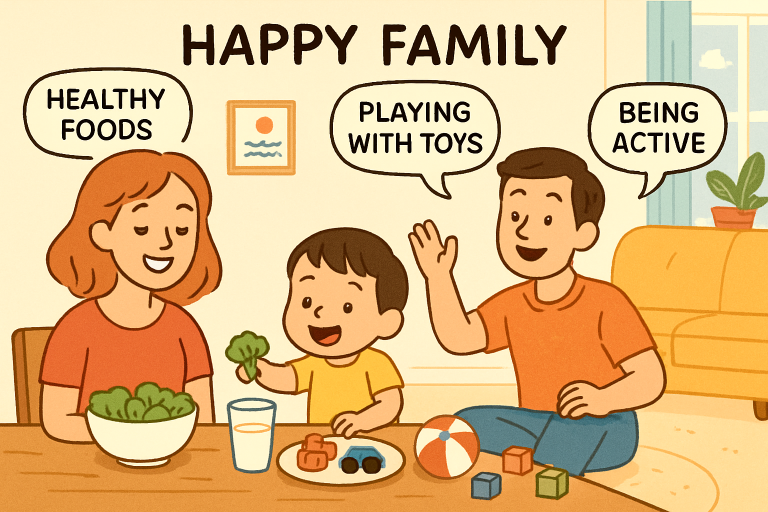
Frequent movement supports toddlers’ development across all domains. The American Academy of Pediatrics recommends at least three hours of physical activity per day for young children. Active play can include running, jumping, climbing, dancing, or even structured games. These activities build strong bones and muscles, enhance coordination, and reduce stress. Making physical activity fun increases a child’s willingness to be active. Activities can be as simple as nature walks, using playgrounds, or indoor dance parties on rainy days.
Limiting Screen Time
Too much time in front of screens can undermine healthy development. The American Academy of Pediatrics recommends that children ages 2 to 5 have no more than 1 hour of high-quality programming per day, with parental involvement encouraged to ensure positive learning experiences. Excessive screen use may lead to overweight, sleep disturbances, and attention problems. Instead, parents should offer hands-on activities that promote creativity and communication, such as reading, puzzles, or imaginative play.
Establishing Consistent Routines
Routines promote security and structure in a toddler’s day. With regular mealtimes, consistent bedtimes, and scheduled play, children develop self-regulation skills and a sense of independence. When children know what to expect, they are less likely to experience stress and are more likely to make healthy choices. Predictable routines also help children understand hunger and fullness cues because meals and snacks occur at similar times each day, which supports healthy eating habits and reduces the temptation to over-snack.
Modeling Healthy Behaviors
Toddlers learn primarily through observation. By eating nutritious foods, being active, and taking time for self-care, parents set a strong example. Family meals are opportunities to demonstrate positive attitudes toward food and to practice balanced eating together. Involving toddlers in shopping and meal preparation can increase their interest in trying new foods and cultivate important life skills. Modeling calm approaches to problem-solving and emotional regulation also teaches children how to care for their mental health.
Encouraging Prosocial Behavior
Kindness, empathy, and cooperation go hand in hand with healthy lifestyles. Encouraging toddlers to help others and practice sharing not only benefits social development but has been shown to improve long-term health outcomes. According to Harvard’s School of Public Health, engaging in prosocial behavior correlates with increased consumption of fruits and vegetables as children grow. Teaching kids to be considerate and respectful can set the stage for healthier eating and activity patterns later in life.
Utilizing Educational Tools
Educational toys, books, and interactive learning resources can make the concept of health approachable and fun for toddlers. Activities that teach handwashing, teeth brushing, or healthy food choices reinforce daily routines and keep young children engaged. Colorful visuals, role-play, or tangible hygiene toys can make learning memorable, while also supporting skill development. Parents and caregivers are encouraged to integrate playful learning into everyday routines, using stories and games to build excitement around healthy habits.
Conclusion
Promoting healthy habits in toddlers is an ongoing journey that blends nurturing, structure, and education. Responsive parenting, regular physical activity, limited screen time, reliable routines, positive modeling, prosocial behavior, and engaging educational tools all work in harmony to help toddlers flourish. By taking an active role in their child’s health today, parents ensure a brighter, healthier future.

The Editorial Team at Healthcare Business Today is made up of experienced healthcare writers and editors, led by managing editor Daniel Casciato, who has over 25 years of experience in healthcare journalism. Since 1998, our team has delivered trusted, high-quality health and wellness content across numerous platforms.
Disclaimer: The content on this site is for general informational purposes only and is not intended as medical, legal, or financial advice. No content published here should be construed as a substitute for professional advice, diagnosis, or treatment. Always consult with a qualified healthcare or legal professional regarding your specific needs.
See our full disclaimer for more details.