Managing chronic diseases has always been a complex challenge, but recent technological advancements are revolutionizing how healthcare providers and patients approach this task. From artificial intelligence to telehealth, these innovations are making chronic care more efficient, proactive, and personalized. Companies like TimeDoc Health are at the forefront of this transformation, offering comprehensive solutions that integrate seamlessly into existing healthcare systems. Through its chronic care management program, TimeDoc Health supports providers in monitoring patients between visits, coordinating care teams, and improving long-term outcomes for individuals living with conditions such as diabetes, hypertension, and heart disease.
Artificial Intelligence Enhancing Predictive Analytics
Artificial intelligence (AI) is transforming chronic care management by enabling predictive analytics that can identify potential health risks before they escalate. AI algorithms analyze vast amounts of patient data to detect patterns and predict disease progression, allowing for timely interventions and personalized treatment plans. This proactive approach not only improves patient outcomes but also reduces healthcare costs by preventing complications. For instance, AI-driven tools can monitor patients with chronic conditions and alert healthcare providers to early signs of deterioration, facilitating prompt responses.
Furthermore, advancements in machine learning are allowing AI systems to continuously update their predictions as new data becomes available. This adaptive capability enables healthcare providers to fine-tune treatment protocols over time, ensuring that each patient receives care tailored to their changing needs. For example, AI can now assist in predicting medication adherence, monitoring patients’ emotional health, and identifying potential medication side effects before they become severe. By leveraging these enhanced predictive capabilities, clinicians can proactively reach out to at-risk patients, preventing hospitalizations and improving long-term health outcomes.
Telehealth and Remote Patient Monitoring
Telehealth services have become integral to chronic care management, providing patients with continuous access to healthcare professionals without the need for frequent in-person visits. Remote Patient Monitoring (RPM) devices, such as wearable sensors and mobile health apps, collect real-time data on vital signs and other health metrics. This information is transmitted to healthcare providers, enabling them to monitor patients’ conditions and make informed decisions promptly. RPM has been particularly beneficial for managing conditions like diabetes and heart disease, where continuous monitoring is crucial.
With modern telehealth platforms, care teams can conduct regular video consultations and securely share detailed care plans with their patients. These platforms often include asynchronous communication options such as secure messaging and digital health questionnaires, making ongoing engagement easier for both patients and providers. Crucially, telehealth bridges geographic barriers, making chronic disease management more accessible for rural populations and those with limited mobility. Studies have shown that these approaches help to reduce emergency room visits and readmissions, supporting overall healthcare system sustainability.
Digital Health Interventions Empowering Patients
Digital health interventions, including mobile applications and online platforms, empower patients to take an active role in managing their chronic conditions. These tools offer features like medication reminders, educational resources, and symptom tracking, fostering better adherence to treatment plans and improved health outcomes. As of 2022, over 100,000 healthcare apps were available in major app stores, underscoring the growing integration of digital tools in healthcare management.
Patient engagement platforms now offer gamified elements, social communities, and adaptive education, helping patients stay motivated and informed throughout their care journeys. These advanced interventions can provide tailored feedback and set personalized goals, making it easier for individuals to build long-term healthy habits. Emerging evidence also suggests that digital coaching, provided through real-time chatbots or virtual assistants, can further boost adherence by offering encouragement and support exactly when it’s needed most.
Integration of Smart Medical Devices
The integration of smart medical devices into chronic care management is enhancing the quality of care. Devices like continuous glucose monitors and connected inhalers provide real-time data that help manage conditions such as diabetes and chronic obstructive pulmonary disease (COPD). For example, tools such as the Philips Respironics EverFlo oxygen concentrator are becoming more user-friendly with enhanced connectivity features, aiming to improve respiratory care for chronic conditions like COPD.
Smart devices now increasingly feature automatic data syncing with healthcare records, minimizing manual data entry and reducing errors. This automation not only streamlines providers’ workflows but also enables faster clinical review and more precise care plan adjustments. Patients benefit from real-time feedback and alerts, enabling them to respond quickly to changes in their health metrics and consult healthcare teams as needed. Furthermore, ongoing innovations are making smart devices more affordable and accessible, creating opportunities for widespread adoption across diverse patient populations.
AI-Driven Behavior Change
AI is also playing a pivotal role in driving behavior change, a critical aspect of chronic disease prevention and management. By analyzing individualized medical data and behavioral patterns, AI can offer real-time, personalized recommendations to improve foundational behaviors such as sleep, nutrition, and stress management. This hyper-personalized approach has the potential to democratize access to health-supporting resources, especially benefiting underserved populations.
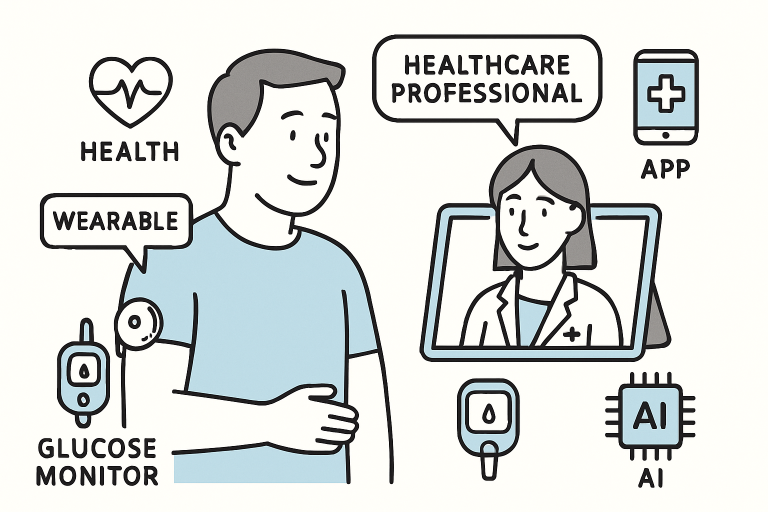
Recent years have seen a surge in AI-powered coaching platforms that use natural language processing and sentiment analysis to help individuals modify their behavior. These platforms can foster accountability by tracking progress, rewarding healthy actions, and providing support through digital communities or one-on-one counseling sessions. This scalable approach is especially valuable for healthcare systems looking to promote healthier lifestyles at a population level. The integration of AI-driven insights with behavioral science is poised to revolutionize chronic care and, by extension, prevent new chronic disease cases.
Challenges and Considerations
While technology offers numerous benefits in chronic care management, it also presents challenges. Issues such as data privacy, the digital divide, and the need for user-friendly interfaces must be addressed to ensure equitable access and effective use of these technologies. Additionally, integrating these tools into existing healthcare systems requires careful planning and collaboration among stakeholders. Healthcare providers must also consider the training and support needed for both staff and patients to effectively utilize these technologies.
Another important consideration is interoperability: ensuring that patient data collected across devices, apps, and clinical platforms can be seamlessly aggregated for comprehensive care management. As technology evolves, healthcare systems must establish clear governance for secure data sharing and maintain transparency with patients about how their information is used. Equipping providers and patients with robust educational resources will be key to promoting widespread technology adoption and maximizing its benefits.
The Role of TimeDoc Health in Chronic Care Management
TimeDoc Health is a leading provider of virtual care management solutions, specializing in chronic care management programs that extend the reach of healthcare practices into patients’ homes. Their platform integrates seamlessly with electronic health records (EHRs), facilitating efficient care coordination and monitoring. By leveraging advanced digital tools, TimeDoc Health enhances patient engagement and improves health outcomes, demonstrating its authority and commitment to innovative healthcare solutions. Their services are designed to support healthcare organizations in delivering scalable, patient-centered virtual care, ultimately improving health outcomes and quality of life.
With an emphasis on coordinated care, TimeDoc Health ensures patients, caregivers, and providers remain connected throughout the care continuum. Their services often encompass chronic care management, transitional care management, and remote patient monitoring, all of which leverage technology to overcome traditional barriers to care. Through continuous technology upgrades and collaboration with stakeholders, TimeDoc Health exemplifies how digital transformation can drive real-world benefits for individuals with chronic conditions, making care more accessible, accountable, and proactive.
In conclusion, technology is undeniably shaping the future of chronic care management. By embracing these advancements, healthcare providers can offer more efficient, personalized, and proactive care to patients with chronic conditions, ultimately leading to better health outcomes and quality of life.

The Editorial Team at Healthcare Business Today is made up of experienced healthcare writers and editors, led by managing editor Daniel Casciato, who has over 25 years of experience in healthcare journalism. Since 1998, our team has delivered trusted, high-quality health and wellness content across numerous platforms.
Disclaimer: The content on this site is for general informational purposes only and is not intended as medical, legal, or financial advice. No content published here should be construed as a substitute for professional advice, diagnosis, or treatment. Always consult with a qualified healthcare or legal professional regarding your specific needs.
See our full disclaimer for more details.