Key Takeaways
- IOPs provide structured therapy sessions without the need for residential stay.
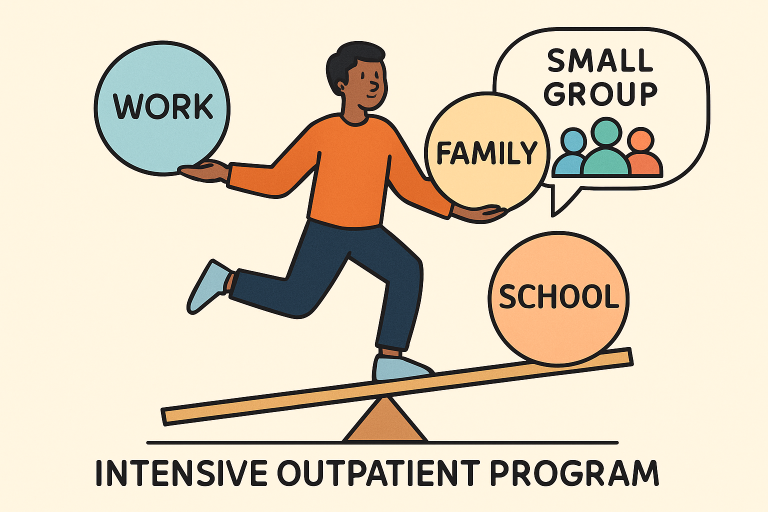
- Participants can maintain work, school, and family commitments during treatment.
- These programs emphasize real-time application of coping strategies.
- Peer support within IOPs enhances accountability and reduces feelings of isolation.
- Flexibility in scheduling accommodates diverse personal responsibilities.
Understanding Intensive Outpatient Programs
Recovery is a journey that requires more than willpower. For many people facing challenges with mental health and substance use, the right support system bridges the gap between hospitalization and returning home. Intensive Outpatient Programs (IOPs) are structured, non-residential treatment programs designed for people managing these conditions. The flexibility to continue daily routines while participating in therapy is a key reason for the growing popularity of IOPs. If you are considering tailored care without pausing your life’s responsibilities, explore options such as the IOP Program in Philadelphia for a comprehensive treatment approach that fits your lifestyle.
IOPs typically include a combination of group therapy, individual counseling, and psychoeducation, all within a program that generally runs for 9 to 19 hours a week. These sessions focus on practical skill-building, relapse prevention, and connecting participants to a supportive community. This setup enables individuals to remain fully engaged with their work, education, or family commitments while actively pursuing recovery. The coordinated yet non-residential structure of IOPs creates an environment that nurtures both independence and accountability.
The ability to maintain the rhythm of everyday life is a cornerstone of IOPs’ effectiveness. Individuals do not have to make drastic changes to their job schedules, school attendance, or role as caregivers. Instead, they attend therapy several days a week, translating the tools and coping mechanisms learned in sessions into real-time practice outside the treatment setting. This immediate reinforcement is crucial to building resilience in the face of everyday triggers and stressors.
Enrolling in an IOP offers people the unique advantage of active participation in real-world scenarios, followed by guided reflection and professional support. This continuous loop not only strengthens recovery skills but also provides a sense of normalcy and stability during a period that can often feel tumultuous. The blend of group and individual therapies encourages open dialogue, sustained motivation, and the consistent evaluation of personal progress. For a detailed overview of the benefits and structure of IOPs, you can review content from Psychology Today.
Balancing Treatment with Daily Responsibilities
The standout benefit of IOPs is their flexibility. Participants are not required to put their entire lives on hold to focus solely on recovery. Those with demanding careers, educational pursuits, or parenting duties can seamlessly weave therapy sessions into their weekly routines. Many programs offer evening or weekend sessions, ensuring maximum accessibility and reducing barriers to continued care. By empowering participants to fulfill their daily responsibilities, IOPs foster greater autonomy and minimize the disruptions typically associated with traditional inpatient care.
Flexibility is particularly vital for those who might otherwise avoid treatment due to logistical or financial concerns. When therapy and support are offered in formats adaptable to diverse lifestyles, the likelihood of engagement and completion rises significantly. This proves invaluable to both individuals and families, protecting relationships and promoting ongoing personal development alongside recovery.
Real-Time Application of Coping Strategies
Another critical element of IOPs lies in the real-world reinforcement of coping skills. Rather than learning in isolation within institutional environments, participants in IOPs immediately apply concepts and strategies in their everyday interactions and confrontations with triggers. This creates a meaningful feedback loop, where challenges faced outside of sessions can be promptly addressed in therapy, promoting constant learning and adjustment.
Building self-confidence through practice is an essential step in achieving long-term recovery. Individuals can test, evaluate, and refine coping strategies in supportive settings, with therapists and peers available to provide guidance and encouragement. As highlighted by the National Institute on Drug Abuse, integrating learned skills into daily routines is a proven predictor of lasting behavioral change and relapse prevention. These ongoing experiences foster resilience and empower individuals to manage future obstacles more effectively.
Building a Supportive Community
Group therapy in IOPs creates a foundation for camaraderie and trust. Participants gain strength from each other’s stories, celebrate victories, and provide constructive feedback. The safe space fostered by group sessions diminishes feelings of isolation, a common challenge in recovery, which can significantly reduce the risk of relapse. The structured support of peers also enhances each person’s accountability, as members are more likely to stay committed to their goals when surrounded by others striving for similar outcomes.
Loneliness is a significant threat to progress during recovery. By fostering a shared sense of purpose and connection, IOPs build psychological safety nets that are essential to sustainable healing. These communities often persist beyond the formal conclusion of treatment, offering enduring networks of support and friendship.
Flexibility and Accessibility
Modern advancements have made IOPs even more accessible. Many programs now offer virtual therapy sessions and digital resources that accommodate individuals regardless of location, travel ability, or schedule. The integration of technology into outpatient care not only broadens access but also supports continuity during periods of transition or crisis. This adaptability ensures that, no matter the obstacles encountered, participants have the resources they need to navigate recovery.
With teletherapy becoming a viable tool, participants can access quality mental health support without lengthy commute times or the challenges of limited mobility. The National Alliance on Mental Illness acknowledges this hybrid approach as both practical and vital to the future of addiction and mental health care.
Conclusion
Intensive Outpatient Programs strike a unique and effective balance, helping individuals build lasting recovery while maintaining their daily responsibilities. Through structured support, real-world application of skills, and the embrace of a tight-knit recovery community, IOPs serve as a powerful catalyst for long-term health and personal growth. If you are seeking a path that honors your needs and commitments, an IOP might provide the structured flexibility essential to lasting change.

The Editorial Team at Healthcare Business Today is made up of experienced healthcare writers and editors, led by managing editor Daniel Casciato, who has over 25 years of experience in healthcare journalism. Since 1998, our team has delivered trusted, high-quality health and wellness content across numerous platforms.
Disclaimer: The content on this site is for general informational purposes only and is not intended as medical, legal, or financial advice. No content published here should be construed as a substitute for professional advice, diagnosis, or treatment. Always consult with a qualified healthcare or legal professional regarding your specific needs.
See our full disclaimer for more details.