Key Takeaways:
- EMDR therapy is an evidence-based treatment for trauma and PTSD.
- The therapy involves structured phases, including bilateral stimulation.
- EMDR is recognized by major health organizations for its effectiveness.
- It can be applied to various psychological conditions beyond PTSD.
Table of Contents
Eye Movement Desensitization and Reprocessing (EMDR) is a well-established psychotherapy technique, first introduced by Francine Shapiro in 1987. The core aim of EMDR is to relieve the intensity of distressing memories and foster the brain’s ability to heal after trauma. Unlike traditional talk therapies, EMDR uses a unique approach that involves recalling memories paired with physical cues, such as finger tapping or side-to-side eye movements.
This method has become a cornerstone of trauma treatment and is used worldwide by mental health professionals who focus on trauma-informed care. In major cities like Toronto, clients seeking professional help for trauma may consider certified psychotherapy services Toronto as a resource for certified EMDR practitioners who specialize in this therapy. The focus on structured processing techniques helps clients navigate painful memories in a safe and controlled environment.
EMDR has gained global recognition for its effectiveness and compassionate approach, recommended not only for trauma survivors but also for those with anxiety, stress, or phobias from distressing life events. Many find EMDR offers relief without intense discussion of traumatic details. Research has expanded EMDR’s use beyond PTSD, and it is included in treatment guidelines by groups like the American Psychological Association and WHO.
The Eight Phases of EMDR
EMDR therapy organizes healing into eight structured phases to ensure both safety and effectiveness for every client. Each phase plays a critical role within the overall process:
- History Taking. This initial phase focuses on understanding the client’s background, identifying target memories, and evaluating readiness for EMDR.
- Preparation. The therapist establishes trust and explains the EMDR procedures, helping the client build the tools and emotional strength needed for processing trauma.
- Assessment. In this step, the specific memories and negative beliefs tied to trauma are defined for focused processing. The session may include identifying triggers and current emotional responses.
- Desensitization. During this core phase, clients are asked to focus on their identified traumatic memory while engaging in bilateral stimulation, such as following the therapist’s fingers with their eyes.
- Installation. Here, positive beliefs are strengthened to replace those negative associations linked to the traumatic memory. The therapist encourages clients to shift towards healthier thoughts about themselves and their experiences.
- Body Scan. Attention turns to physical sensations. Residual tension or stress in the body is processed, ensuring emotional and physical symptoms are addressed together.
- Closure. Clients return to a state of calm and stability before the session ends. Techniques for self-care and grounding may be reviewed to support ongoing well-being.
- Reevaluation. At the start of subsequent sessions, progress is reviewed and outstanding distress is addressed so the client continues to move forward in treatment.
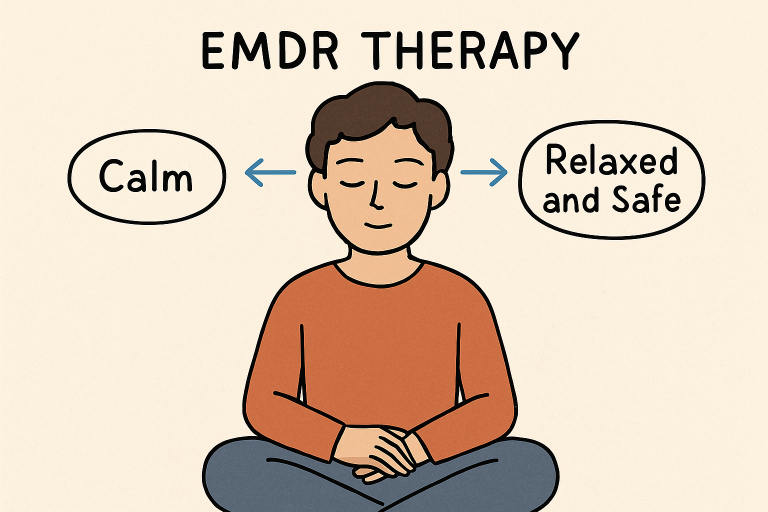
How EMDR Works
EMDR therapy uses bilateral stimulation that mimics processes during REM sleep, helping clients process traumatic memories and reduce emotional charge. It fosters new, healthier associations, lessens intrusive thoughts, and boosts resilience. This method is particularly effective for difficult-to-process issues, as the National Institute of Mental Health notes.
Conditions Treated with EMDR
EMDR (Eye Movement Desensitization and Reprocessing) was originally developed to assist individuals with post-traumatic stress disorder (PTSD), specifically targeting survivors of combat, assault, or accidents. Recent studies indicate that EMDR is beneficial for a broader spectrum of psychological issues, including anxiety and panic disorders, depression, phobias and specific fears, chronic pain disorders, and complicated grief. Clinicians have reported success in applying EMDR to those dealing with complex trauma or early childhood adversity. The methodology’s inherent flexibility allows therapists to tailor sessions based on each client’s distinct needs and life history.
Effectiveness and Research Findings
Multiple randomized controlled trials and meta-analyses have confirmed the effectiveness of EMDR for trauma-related conditions. Clinical guidelines from authoritative organizations such as the World Health Organization acknowledge EMDR as a first-line treatment for PTSD. Studies often find that EMDR is as effective as, or even superior to, other therapies such as cognitive-behavioral therapy in some cases.
Clients typically experience positive changes in fewer sessions than in traditional talk therapy. Many researchers highlight the minimal burden of homework and the rapid reduction of symptoms as major strengths of EMDR. As a result, EMDR is now incorporated in global treatment recommendations and is widely sought after in community mental health and private practice settings.
What to Expect in an EMDR Session
In a standard EMDR session, the therapist guides the client through recalling a selected traumatic memory. As the client focuses on the memory, bilateral stimulation techniques are applied, such as following a moving object with the eyes or listening to rhythmic sounds. The client is regularly asked to notice any new thoughts, emotions, or bodily sensations that arise.
Sessions are structured to ensure safety, with the therapist checking in frequently to assess the client’s comfort level. Individuals new to EMDR are often reassured to know that they do not need to share all the details of their trauma if they prefer not to, making the approach suitable for a wide range of emotional experiences and sensitivities.
Finding a Qualified EMDR Therapist
Seeking professional help from a trained specialist is vital to achieving positive outcomes in EMDR therapy. Certification indicates a therapist has completed the necessary education and practical experience to guide clients safely through the EMDR process. The EMDR International Association provides an online directory for individuals to find qualified therapists in their geographical area. Inquire about a therapist’s credentials and experience with trauma-related conditions when making your decision.
Conclusion
EMDR therapy offers hope and healing for those who suffer from trauma and related conditions. Its structured approach and emphasis on the brain’s natural healing capabilities support a gentle yet powerful journey toward recovery. Those considering EMDR should consult with certified practitioners and explore additional resources from reputable sources to make informed decisions about their mental health journey.

The Editorial Team at Healthcare Business Today is made up of experienced healthcare writers and editors, led by managing editor Daniel Casciato, who has over 25 years of experience in healthcare journalism. Since 1998, our team has delivered trusted, high-quality health and wellness content across numerous platforms.
Disclaimer: The content on this site is for general informational purposes only and is not intended as medical, legal, or financial advice. No content published here should be construed as a substitute for professional advice, diagnosis, or treatment. Always consult with a qualified healthcare or legal professional regarding your specific needs.
See our full disclaimer for more details.