Key Takeaways
- Improving oral health can significantly enhance overall well-being and reduce the risk of systemic diseases. A healthy mouth supports a healthy body at every stage of life.
- Simple daily habits, such as proper brushing and flossing, play a crucial role in maintaining oral hygiene. Good habits are often more effective and less costly than restorative treatments.
- Dietary choices and regular dental check-ups are essential components of a comprehensive oral health routine, supporting both prevention and early detection of potential issues.
Good oral health is a cornerstone for your overall well-being, influencing not just your appearance but also your physical health, social confidence, and long-term quality of life. Regularly practicing strong dental hygiene is not only about ensuring a bright, confident smile; it is essential for preventing a wide range of health concerns, including heart disease, diabetes, and respiratory illnesses. With mounting evidence linking oral health to conditions such as Alzheimer’s disease and even adverse pregnancy outcomes, it becomes clear that what happens in your mouth does not stay isolated to just your teeth and gums. For those seeking expert guidance, Dentistry.com is an excellent resource for dental care tips and professional advice, offering trusted information on maintaining a healthy mouth.
Many people overlook the impact of daily habits on oral hygiene. Small actions such as brushing consistently or cutting back on sugar can greatly enhance health and lower expenses. Slight routine changes can help prevent painful dental problems, expensive procedures, and long-term health complications. Improving oral habits boosts overall wellbeing and quality of life over time. This guide demonstrates how easy proactive measures can bring significant benefits to both your body and mind.
Oral Health and Overall Well-being
The health of your mouth is deeply connected to your whole body. Scientific research has shown that bacteria from gum disease can enter the bloodstream and cause inflammation elsewhere, increasing the risk of cardiovascular problems and even stroke. Gum inflammation not only threatens your teeth but also creates low-level, chronic inflammation that strains your heart and blood vessels. Untreated oral infections are also linked to complications for people with diabetes and may worsen respiratory illnesses.
Supporting your oral health can help with chronic disease management and may boost your immune system’s overall strength. A healthy mouth makes it easier to eat a balanced diet, enjoy social activity, and stay motivated to pursue an active lifestyle. Adults and children alike experience numerous benefits when oral hygiene becomes a daily priority. People who pay close attention to their oral hygiene often report better self-esteem and a lower incidence of anxiety or self-consciousness about dental issues, making interpersonal interactions smoother and more enjoyable. Ultimately, your mouth is a gateway to your overall health, and taking care of it is one of the smartest and simplest ways to invest in a healthier you.
Daily Habits for Optimal Oral Health
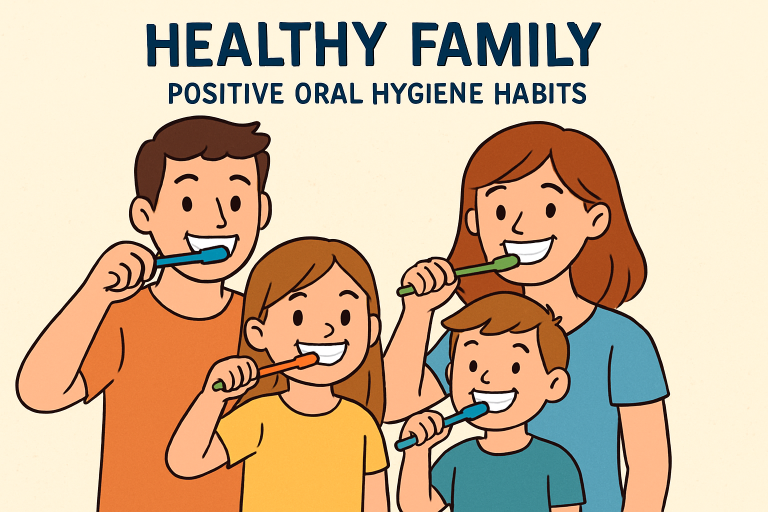
Developing a few consistent daily habits can create dramatic improvements in your dental health. Here are some essentials to include in your everyday routine:
- Brushing Twice Daily: Use a fluoride toothpaste and brush for 2 minutes each morning and night. This helps remove plaque, prevent tooth decay, and maintain healthy gums. Using gentle circular motions and covering all tooth surfaces, including the back teeth and along the gum line, further enhances cleaning effectiveness and oral protection.
- Flossing Each Day: Flossing removes food particles and plaque trapped between teeth that brushing alone cannot reach. Daily flossing lowers your risk of gum disease and cavities. Neglecting to floss can lead to tartar buildup, which accelerates gum disease and eventually leads to tooth loss.
- Using Mouthwash: Rinsing with an antimicrobial mouthwash can help kill bacteria, freshen breath, and offer extra protection against gum disease. A good mouthwash can reach the tiny crevices and hard-to-reach surfaces that a toothbrush or floss can’t, further reducing the risk of oral infections and ensuring a healthy environment for your teeth.
Simple steps can help prevent dental issues and expensive treatments. Change your toothbrush every three months or sooner if frayed, or after illness. Monitor your gum and tooth health and consult a dentist if needed. Gently brushing your tongue can decrease bad breath and bacteria. It’s never too late to enhance your oral care routine; adults can notice significant improvements within weeks. Staying proactive keeps teeth healthy and supports long-term oral health.
Dietary Choices and Oral Health
Your daily food and drink choices significantly impact your oral health. Reducing sugary snacks and sodas can greatly help, as they feed bacteria, increase acid levels, and raise the risk of decay. Sticky candies, sports drinks, and some granola bars contain sugars that quickly turn to acid. Eating nutrient-rich foods like cheese, yogurt, greens, and nuts provides calcium and phosphorus to strengthen and remineralize teeth.
Water, especially fluoridated water, is excellent for oral health, rinsing away food, neutralizing acids, and supporting saliva production, which helps fight decay. Limiting snack frequency and eating a balanced diet reduces acid contact time, lowering cavity risk.
The Importance of Regular Dental Check-ups
Visiting a dentist twice a year is vital for preserving your long-term oral health. Routine check-ups allow professionals to spot early warning signs of cavities, gum disease, and oral cancer before they become serious problems. Problems caught early generally require less invasive, less costly treatments, helping you avoid pain and stress down the line. Professional cleanings remove stubborn tartar and plaque, which regular brushing and flossing alone may not eliminate.
Dentists can also provide valuable education and suggest personalized adjustments to your habits for optimal results. If you have unique medical issues or a family history of dental problems, regular visits are especially important for catching concerns early. Preventive dental care saves time, money, and discomfort in the long run, providing peace of mind and better health.
Conclusion
Adopting better oral health habits is a straightforward, powerful way to improve your well-being and enjoy life to the fullest. Through simple daily routines, smart dietary choices, and regular professional care, you can protect your smile, prevent illness, and significantly enhance your quality of life. Remember, forming new habits can take a little time, but the rewards, a brighter smile, greater confidence, and improved long-term health, are well worth the effort. No matter your age or current dental health, it’s never too late to start prioritizing your oral health and making positive changes.

The Editorial Team at Healthcare Business Today is made up of experienced healthcare writers and editors, led by managing editor Daniel Casciato, who has over 25 years of experience in healthcare journalism. Since 1998, our team has delivered trusted, high-quality health and wellness content across numerous platforms.
Disclaimer: The content on this site is for general informational purposes only and is not intended as medical, legal, or financial advice. No content published here should be construed as a substitute for professional advice, diagnosis, or treatment. Always consult with a qualified healthcare or legal professional regarding your specific needs.
See our full disclaimer for more details.