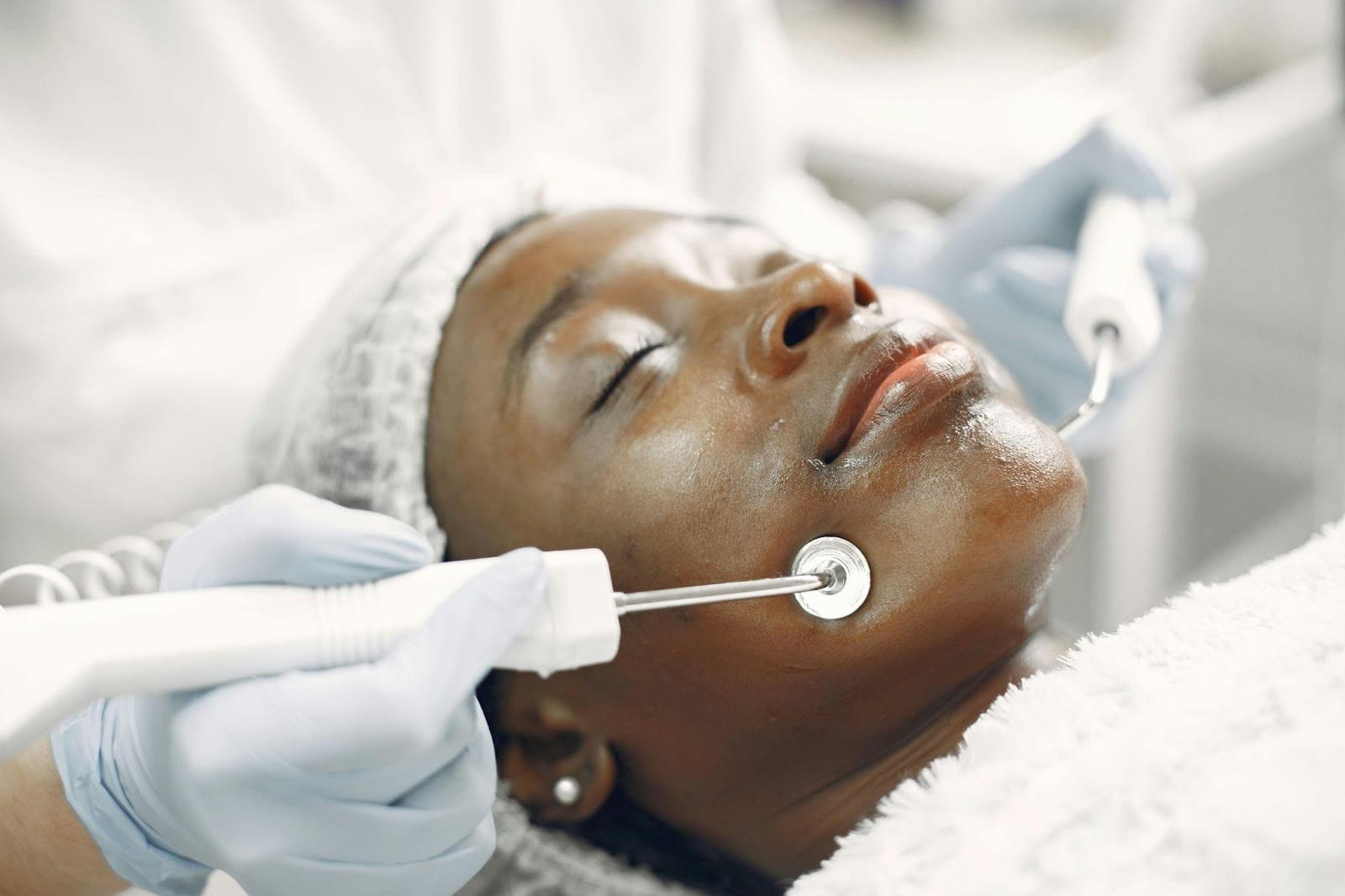
Medical aesthetics is no longer viewed as a niche corner of healthcare. Over the past decade, it has evolved into a structured, regulated, and rapidly growing segment of the industry. As patient demand increases and treatment options become more advanced, healthcare organizations are recognizing the importance of proper education, governance, and clinical oversight in aesthetic medicine. This shift is driving greater investment in medical aesthetic education across hospitals, private practices, and healthcare systems.
At its core, this investment reflects a broader trend in healthcare: prioritizing safety, consistency, and long-term sustainability while responding to changing patient expectations.
The Growing Role of Aesthetics in Healthcare
Medical aesthetic services have become a natural extension of patient-centered care. Today’s patients are not only seeking treatment for illness but also looking for services that support confidence, quality of life, and overall well-being. As a result, healthcare providers are increasingly integrating aesthetic treatments into their service offerings.
This growth has led to several important considerations:
- Increased demand for qualified and well-trained injectors
- Greater scrutiny from regulators and medical boards
- Higher expectations from patients regarding safety and outcomes
- The need for standardized clinical education
Healthcare organizations understand that without proper training, aesthetic services can introduce unnecessary risk. Education has become the foundation for responsible growth.
Why Education Matters More Than Ever
Unlike traditional medical procedures that are taught extensively in clinical programs, many aesthetic treatments require specialized, post-licensure training. Techniques evolve quickly, and the margin for error can be small. This reality has pushed healthcare leaders to reevaluate how injectors are trained and supported.
Strong medical aesthetic education emphasizes:
- In-depth anatomy and physiology
- Proper injection techniques and product knowledge
- Patient assessment and consultation skills
- Complication prevention and management
- Ethical practice and informed consent
Programs such as the Texas Academy of Medical Aesthetics reflect this shift toward structured, comprehensive education that aligns with healthcare standards rather than informal or inconsistent training methods.
Patient Safety as a Driving Force
One of the biggest reasons healthcare is investing more in aesthetic education is patient safety. Poorly trained injectors can increase the risk of complications, dissatisfaction, and legal exposure. As aesthetic services move further into mainstream healthcare, expectations around safety mirror those of other clinical services.
Healthcare organizations are prioritizing education to:
- Reduce adverse events
- Improve patient outcomes
- Standardize treatment protocols
- Build trust with patients
Education is no longer viewed as optional. It is a safeguard for both patients and providers.
Aesthetic Education as a Business Strategy
From a healthcare business perspective, investing in medical aesthetic education is also a strategic decision. Well-trained clinicians deliver better results, which leads to higher patient satisfaction, stronger retention, and positive word-of-mouth.
Organizations that invest in education often see benefits such as:
- Increased credibility and professional reputation
- Better staff retention and career development
- Reduced liability and compliance risks
- More consistent clinical outcomes
In a competitive healthcare market, education becomes a differentiator that supports both quality of care and long-term growth.
Meeting Regulatory and Compliance Expectations
Medical aesthetics operates within a complex regulatory environment. Rules vary by state, but expectations around supervision, scope of practice, and documentation are becoming more defined. Healthcare leaders recognize that education helps teams stay compliant in an evolving landscape.
Quality training programs teach injectors how to:
- Practice within their legal scope
- Follow established medical protocols
- Document treatments appropriately
- Escalate concerns when needed
This knowledge protects both the provider and the organization, reinforcing why education is viewed as a critical investment rather than a cost.
The Importance of Clinical Oversight
As aesthetic services expand, so does the need for strong medical leadership. Education alone is not enough without proper oversight and governance.
Healthcare organizations increasingly understand the importance of choosing to hire a medical director when offering aesthetic services. A medical director provides clinical supervision, establishes protocols, and ensures treatments align with medical standards. Their involvement reinforces accountability and supports a culture of safety and professionalism.
This structure mirrors how healthcare operates in other specialties, further legitimizing aesthetic medicine as part of the broader healthcare ecosystem.
Technology, Innovation, and Ongoing Education
Medical aesthetics is a field driven by innovation. New products, techniques, and devices are introduced regularly, making ongoing education essential.
Healthcare organizations are investing in training that supports:
- Continuous skill development
- Adaptation to new technologies
- Evidence-based practice
- Long-term clinician competency
This commitment ensures that providers are not relying on outdated methods and that patient care continues to improve as the field evolves.
Industry Collaboration and Knowledge Sharing
Another reason for increased investment is the growing collaboration between healthcare education platforms, industry leaders, and service providers. Educational institutions, clinical experts, and business partners are working together to elevate standards.
Platforms and organizations such as injectco.com are part of a broader ecosystem that supports education, compliance, and operational excellence in aesthetic medicine. These collaborations help bridge the gap between clinical training and real-world healthcare operations.
Looking Ahead: A Long-Term Investment
Healthcare’s increased investment in medical aesthetic education signals a long-term commitment to responsible growth. As patient demand continues and regulations evolve, education will remain the backbone of safe, ethical, and successful aesthetic practices.
Rather than viewing aesthetics as separate from healthcare, forward-thinking organizations are integrating it into their clinical and business models with the same rigor applied to other services.
Final Thoughts
Medical aesthetic education is no longer optional in modern healthcare. It is a strategic, clinical, and ethical necessity. By investing in structured training, strong oversight, and continuous learning, healthcare organizations are protecting patients, supporting clinicians, and positioning themselves for sustainable growth.
As the field continues to mature, education will remain the defining factor that separates responsible healthcare providers from those willing to take shortcuts. In that sense, the growing investment in aesthetic education is not just a trend. It is a reflection of healthcare’s commitment to quality, safety, and trust.

The Editorial Team at Healthcare Business Today is made up of experienced healthcare writers and editors, led by managing editor Daniel Casciato, who has over 25 years of experience in healthcare journalism. Since 1998, our team has delivered trusted, high-quality health and wellness content across numerous platforms.
Disclaimer: The content on this site is for general informational purposes only and is not intended as medical, legal, or financial advice. No content published here should be construed as a substitute for professional advice, diagnosis, or treatment. Always consult with a qualified healthcare or legal professional regarding your specific needs.
See our full disclaimer for more details.