
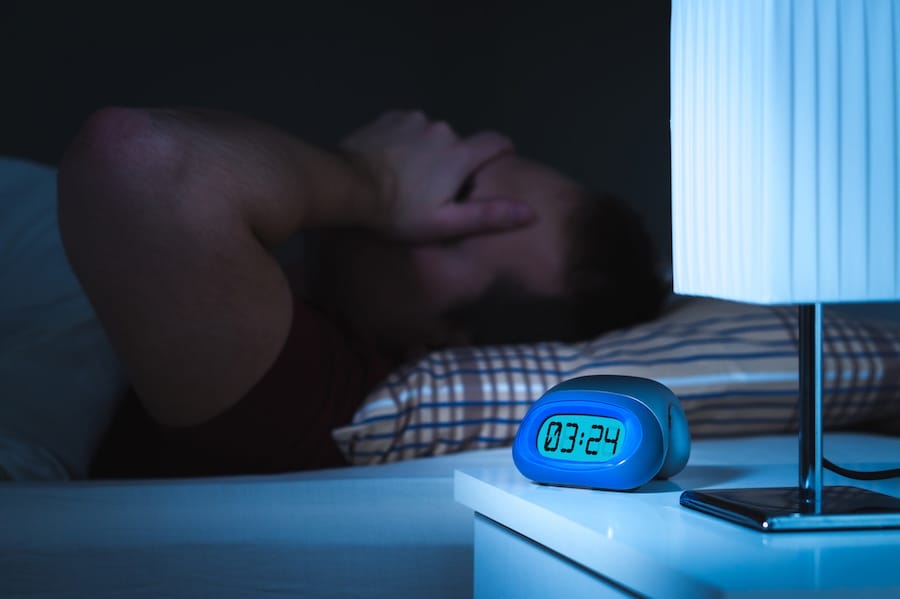
Each year, millions of Americans lose an hour of sleep when daylight saving time arrives. While the shift may seem minor, even small disruptions to sleep can have outsized effects on performance, mood, mental health, and long-term wellness. For many people, the time change acts as a reminder of a deeper issue: chronic sleep disruption is already a fact of life in the United States.
In general, many Americans struggle to reach the recommended eight hours of sleep per night. Younger generations appear especially vulnerable. Research shows that forty percent of Gen Zers experience sleep anxiety, an emerging wellness concern fueled by economic uncertainty, constant digital exposure, and lingering pandemic-era disruptions.1 Poor sleep is no longer a niche concern or a lifestyle inconvenience. It is increasingly recognized as a public health issue with wide-reaching economic and clinical consequences.
A recent sleep industry report from HLTH and Sleep Number, From Consumer to Clinic: Unlocking Sleep’s Potential in Modern Healthcare,1 underscores just how high the stakes have become. The report estimates an annual economic impact of four hundred billion dollars in the United States due to poor quality sleep. It also identifies major gender disparities in sleep health and highlights the tight connection between sleep disruption and mental health conditions such as anxiety and depression.
Against this backdrop, leaders from Sleep Number and Synchrony are working to reframe sleep not as a luxury, but as a measurable, actionable pillar of health. Through technology, data, and financial access tools, they aim to help individuals recover from short-term sleep disruption while building long-term sleep resilience.
Recovering From Short-Term Sleep Disruption
The seasonal time change provides a useful lens for understanding how sleep disruption affects the body. According to Melissa Barra, Executive Vice President, Chief Product and Enterprise Strategy Officer at Sleep Number, even a one-hour shift can temporarily throw off the body’s internal clock.
“The recent daylight savings time change can throw off your body’s internal clock, but the good news is that most people can get back on track within a few days by following simple, science-backed strategies,” Barra says.
She emphasizes that consistency is the foundation of circadian rhythm recovery. “Your circadian rhythm thrives on routine,” Barra says. “Aim to go to bed and wake up at the same time every day, even on weekends. This consistency helps your body recalibrate faster after a time shift.”
Morning light exposure also plays a powerful role. Barra notes that early sunlight signals the body to stop producing melatonin and helps advance circadian timing. Pairing that light exposure with physical activity can further reinforce the body’s natural rhythms.
Temperature and environment matter as well. “A cool, comfortable bedroom and products that help regulate temperature, like a mattress with temperature technology, can make falling asleep easier during seasonal transitions,” Barra says.
Technology can help individuals understand how disruptions affect them personally. Tools like a mattress that tracks sleep data night after night provide insight into patterns, allowing people to make informed adjustments rather than relying on guesswork. Establishing a baseline for sleep health, Barra says, is key to long-term success.
The Economic Cost of Sleeplessness
The consequences of poor sleep extend far beyond individual fatigue. The HLTH and Sleep Number report estimates that there is two hundred twenty-six billion dollars to be gained annually in the United States if people who sleep less than six hours per night increase their sleep by just one hour.1
Sleep deprivation affects cognitive performance, emotional regulation, and physical health, all of which directly influence workplace productivity. Barra points out that sleep-deprived employees are fifteen times more likely to experience workplace accidents, driving up safety risks and insurance costs. Insufficient sleep also leads to an estimated 1.2 million lost working days each year due to absenteeism and presenteeism.2
Jeff Miller, General Manager, Health and Wellness at Synchrony, views sleep through the lens of healthspan rather than productivity alone.
“When we look at the impact of this data and potential benefits of improved sleep for personal wellness, workplace productivity, or larger economic trends, it’s essential to take a step back at the role sleep health plays in extending healthspan,” Miller says.
Healthspan, he explains, refers to the period of life spent in good health, not merely the number of years lived. Improving sleep quality supports both physical and mental resilience over time, which ultimately reduces downstream healthcare costs and supports a more sustainable workforce.
Barriers to Quality Sleep
Despite growing awareness, many Americans still struggle to get sufficient rest. Barra says the barriers are both behavioral and structural.
“Common barriers to quality sleep include late-night scrolling or streaming, stress and mental load that keep the brain in ‘alert mode’, and environmental factors like noise, light pollution and uncomfortable temperatures,” she says. Lifestyle habits such as late caffeine or alcohol intake and irregular schedules further compound the problem.
Undiagnosed sleep disorders also play a role. Conditions such as insomnia and obstructive sleep apnea often go untreated, leaving individuals exhausted without understanding why. Women, in particular, face unique challenges due to hormonal fluctuations across life stages.1
Behavioral changes remain essential. Barra emphasizes consistent schedules, wind-down routines, and sleep-friendly environments as foundational strategies. At the same time, she acknowledges that changing habits can be difficult without support.
“Consumers desire tailored advice and personalized insights, yet accessing these insights remains a challenge,” Barra says. “A lack of real-time interventions places a large responsibility of changing behaviors on the consumer.”
Sleep technology aims to bridge that gap by providing automatic adjustments and daily insights that reduce the burden on individuals to self-diagnose or self-correct.
Access and Affordability as Sleep Health Issues
Technology alone, however, is not enough. Miller emphasizes that affordability and access are inseparable from sleep health. He points to Synchrony’s CareCredit health and wellness credit card, as an example of how financing options can help address barriers to sleep health care.
Miller notes that over half of healthcare providers surveyed in Synchrony’s Healthcare Journey Research believe there are not enough healthcare payment options for patients.3 Without accessible financing, recommendations to invest in sleep solutions can inadvertently increase stress rather than alleviate it.
He also points to data from the Sleep Foundation showing that seventy-seven percent of consumers lose sleep over financial concerns.4 At the same time, more than one in four Americans delay recommended medical procedures due to cost.
“When we evaluate sleep health in relation to financial concerns, the role of responsibly planning becomes crucial in providing tangible change and action,” Miller says.
Financing solutions such as the CareCredit credit card, along with educational resources like payment estimators and Fair Financing Principles, aim to reduce anxiety by helping consumers plan ahead for health and wellness expenses.
Sleep Anxiety and the Gen Z Challenge
Sleep anxiety is emerging as a defining wellness issue for younger generations.1 Barra notes that forty percent of Gen Z report excessive worry about their ability to sleep.
“This emergence, particularly among younger demographics, could be driven by a few factors,” Barra says. “Gen Z grew up immersed in technology. Constant screen exposure, late-night scrolling and social media pressures disrupt circadian rhythms and increase anxiety.”
Economic pressures also loom large. Student debt, a competitive job market, and broader global uncertainty contribute to heightened stress levels that make it harder to relax at night.
To address sleep anxiety, Barra advocates for integrating personalized sleep data into clinical care. Smart beds and wearables that passively monitor sleep patterns, breathing, and heart rate can provide clinicians with richer context for diagnosis and intervention.
Partnerships between healthcare institutions and technology companies are also advancing the science of sleep. Collaborative research efforts help translate data into actionable solutions that reduce anxiety and improve outcomes.
Miller adds that financial stress must be addressed alongside clinical innovation. “Telling consumers to just ‘get a better mattress’ without actionable financial planning tools could add to a state of anxiety,” he says.
Gender Disparities in Sleep Health
The HLTH and Sleep Number report highlights significant gender differences in sleep quality. Women are more likely than men to experience insomnia and fragmented sleep. Hormonal changes affect approximately thirty percent of pregnant women, forty-one percent of postpartum women, and up to thirty percent of menopausal women.
“These are linked to increased risks of depression, anxiety and cognitive decline,” Barra says.
Connected sleep technology offers one avenue for personalized support. Features such as dynamic temperature control can reduce hot flashes and improve deep sleep, while adjustable firmness accommodates physical changes during pregnancy and postpartum recovery.
Barra notes that Climate360 smart bed sleepers gained an average of fifty-two and a half minutes more restful sleep per night, demonstrating how targeted interventions can make a measurable difference.
Financial stress often intersects with these life stages, particularly during maternity leave or menopause-related healthcare transitions. Integrating sleep health initiatives with financial wellness programs can help women access the tools they need without added burden.
Sleep and Mental Health: A Unified Model
The relationship between sleep and mental health is bidirectional. Poor sleep exacerbates anxiety and depression, while mental health conditions further disrupt sleep.
“Historically, sleep was treated as a lifestyle factor, but emerging evidence positions it as a vital sign for mental health,” Barra says.
She points to several shifts underway in healthcare. Sleep assessments are increasingly becoming routine in mental health evaluations. Cognitive Behavioral Therapy for insomnia is gaining recognition for its ability to reduce depression and anxiety symptoms. Continuous monitoring through connected devices allows clinicians to detect early warning signs and personalize treatment plans.
Miller echoes the need for a unified approach. “It’s crucial for patients to be able to access whole-person care that goes beyond just treating poor sleep, chronic conditions and mental health as separate entities,” he says.
A Data-Driven Future for Sleep Health
Both organizations emphasize the power of data in empowering consumers. Sleep Number beds continuously capture biosignals such as heart rate, breathing, and movement with research-grade accuracy. The Sleep Number app translates that data into actionable insights, helping users align daily routines with their body clocks.
Synchrony applies a similar philosophy to financial access. With its PRISM platform, the company evaluates applicants beyond traditional credit scores through a dynamic and holistic process, evaluating over 9,000 diverse data attributes to provide a more comprehensive overview of an individual’s financial responsibility and history. Ultimately, Synchrony’s goal is to be able to help expand credit access for individuals who may otherwise be excluded.
“This approach allows us to make more equitable and precise lending decisions,” Miller says, particularly for the forty-five million credit-invisible Americans.5
Sleep as a Clinical Vital Sign
Looking ahead, both leaders envision sleep becoming a core component of preventive care.
“Sleep health represents the next frontier in preventive, personalized medicine,” Barra says. “By embedding sleep metrics into routine care, healthcare systems can unlock better outcomes, lower costs and improve quality of life.”
Miller anticipates sleep emerging as a therapeutic and preventive target in its own right, capable of slowing or reversing chronic disease trajectories when prioritized early.
Importantly, they stress that progress does not require waiting years for systemic change. Consumers can begin by identifying sleep challenges, understanding financing options, and using data-driven tools to make incremental improvements.
As healthcare continues to evolve, sleep is moving out of the shadows. Once viewed as optional or indulgent, it is now recognized as essential to mental health, economic productivity, and long-term well-being. Recovering from sleep disruption is no longer just about catching up on rest. It is about building a foundation for healthier lives and a more resilient society.
That broader shift is already creating opportunities for consumers to take action today. Small, informed steps can lead to meaningful improvements in sleep quality and overall wellness:
- Take the online Sleep Number Quiz to find the ideal mattress for your needs.
- Check out the Fair Financing Principles to learn how to navigate health & wellness costs not covered by insurance.
- If interested, see if you qualify for a financing option like the CareCredit credit card.
- Use the monthly payment calculator to see what financing with CareCredit could look like in terms of financial responsibility.
For more information, visit sleepnumber.com and synchrony.com.
1.) “From Consumer to Clinic: Unlocking Sleep’s Potential in Modern Healthcare.” Sleep Number. July 28, 2025. Retrieved from: https://hlth.com/insights/reports/from-consumer-to-clinic-unlocking-sleep-s-potential-in-modern-healthcare-2025-07-29.
2.) Hafner, Marco et al. “Why sleep matters — the economic costs of insufficient sleep.” RAND. November, 2016. Retrieved from: https://www.rand.org/pubs/research_reports/RR1791.html.
3.) “Healthcare Journey Research Consumers and Providers.” Synchrony, 2023.
4.) 77% of Us Lose Sleep Over Financial Worries. How Do We Earn It Back?” Sleep Foundation. November, 2023. Retrieved from: https://www.sleepfoundation.org/sleep-news/77-percent-lose-sleep-to-financial-worries#:~:text=Indeed%2C%20most%20U.S.%20adults%20(76,stressed%20they%20can’t%20function.
5.) “More than 45 Million Americans are Either Credit Unserved or Underserved; Approximately 20% Migrate to Being Credit Active Every Two Years.” TransUnion. April, 2022. Retrieved from: https://newsroom.transunion.com/more-than-45-million-americans-are-either-credit-unserved-or-underserved—approximately-20-migrate-to-being-credit-active-every-two-years/

Daniel Casciato is a seasoned healthcare writer, publisher, and product reviewer with two decades of experience. He founded Healthcare Business Today to deliver timely insights on healthcare trends, technology, and innovation. His bylines have appeared in outlets such as Cleveland Clinic’s Health Essentials, MedEsthetics Magazine, EMS World, Pittsburgh Business Times, Post-Gazette, Providence Journal, Western PA Healthcare News, and he has written for clients like the American Heart Association, Google Earth, and Southwest Airlines. Through Healthcare Business Today, Daniel continues to inform and inspire professionals across the healthcare landscape.


