
Key Takeaways
- Artificial Intelligence (AI) is revolutionizing diagnostics and treatment planning in dentistry.
- Teledentistry is expanding access to care and offering flexible learning opportunities.
- An emphasis on sustainability is shaping modern dental training and practice standards.
- Dental Support Organizations (DSOs) are actively influencing career development and mentorship pathways.
In the rapidly evolving field of dentistry, staying current with new technologies and best practices is crucial for practitioners who aim to provide exceptional patient care. The world of dental professional development is being reshaped by innovations ranging from Artificial Intelligence (AI) to sustainable practice models. Dental professionals seeking to enhance their expertise and adapt to industry shifts can now leverage diverse educational resources to complete your dental CE courses and keep up with these ongoing trends.
Embracing the latest developments can help ensure that dental practitioners not only stay competitive but also deliver the highest standards of care to their patients. The increasing demand for continuing education, coupled with broader patient expectations, makes understanding current trends in dental training more relevant than ever. Whether you are a seasoned clinician or a recent graduate, integrating these trends into your professional journey can drive better clinical outcomes and open up new opportunities for growth.
Artificial Intelligence in Dental Training
Artificial Intelligence has become a transformative force within dentistry. With AI-powered diagnostic tools, dental professionals can analyze radiographs and other diagnostic images with remarkable accuracy. AI algorithms assist in the early detection of oral health conditions, such as caries and periodontal disease, thereby improving patient care and enhancing professional education. Dental students and practicing dentists benefit from real-time feedback, which helps them learn to identify subtle patterns in patient data that might otherwise go unnoticed. According to the American Dental Association, AI is quickly becoming an indispensable component in both clinical and educational settings, aiding practitioners in their continuous professional development.
Expansion of Teledentistry
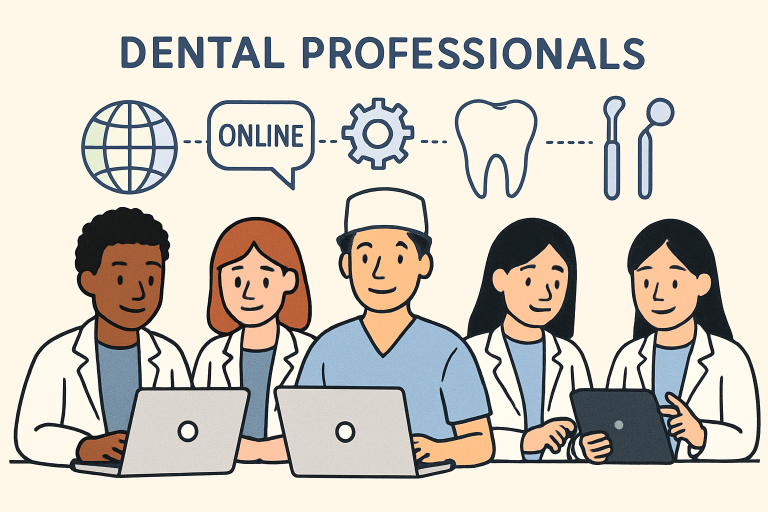
Teledentistry has expanded the scope of dental care by making professional services more accessible to patients in remote or underserved locations. Virtual platforms allow dental practitioners to conduct consultations, treatment planning, and follow-up appointments online. For dental professionals, these resources offer a wealth of online courses, webinars, and collaborative forums to support lifelong learning. The convenience of remote education enables practitioners to acquire new skills and stay up to date with emerging innovations, all while maintaining work-life balance. The flexibility and accessibility of teledentistry are transforming both clinical practice and ongoing education, supporting dental professionals in maintaining licensure and compliance while improving patient outcomes.
Emphasis on Sustainability
Environmental sustainability has become a central focus in dental training programs and practices. Modern curricula emphasize eco-friendly materials, responsible disposal practices, and energy-efficient workflows. There is growing public awareness about the environmental impact of healthcare, and dental professionals are responding by adopting sustainable tools such as biodegradable products, digital records, and recyclable materials. By educating future practitioners on these sustainable strategies, the dental industry is aligning itself with broader environmental goals and meeting the preferences of eco-conscious patients. Leaders in the field, such as those highlighted in Dental Economics, stress the importance of incorporating green initiatives into dental practice management and ongoing professional development.
Influence of Dental Support Organizations (DSOs)
Dental Support Organizations (DSOs) are increasingly influential in shaping career advancement and professional development pathways. By providing centralized resources, structured mentorship, and organized continuing education programs, DSOs help dental professionals focus on their clinical expertise. This model is particularly valuable for new graduates, who gain access to mentorship and structured learning without the administrative burdens of running an independent practice. DSOs foster a collaborative learning environment, connect practitioners with industry innovations, and support their members through continuing education events and workshops to strengthen both clinical and managerial skills.
Integration of Smart Dental Devices
The proliferation of smart dental devices is revolutionizing the way oral health is monitored, managed, and taught. Devices like smart toothbrushes and intraoral scanners capture data on brushing habits and oral health metrics, providing dentists and hygienists with actionable insights for tailored patient education. In dental training, wearables and connected tools offer real-time metrics to enhance practical learning, support evidence-based treatment decisions, and reinforce preventive care. As these devices collect patient behavior data over time, they grant dental teams more precise feedback and new avenues for patient engagement.
Data-Driven Smile Design
The convergence of AI and big data analytics is enabling dental professionals to develop truly personalized smile designs. By leveraging facial analysis software, practitioners can propose cosmetic solutions that harmonize with each patient’s unique anatomy and preferences. AI-driven smile design improves accuracy during treatment planning and supports better communication with patients regarding expected outcomes. Dentists can now integrate artistry and technology to maximize both function and aesthetics, improving patient satisfaction and refining the educational process for dental trainees.
Conclusion
The landscape of dental training and professional development is undergoing rapid transformation, propelled by technological progress and evolving patient expectations. By embracing current trends such as artificial intelligence, teledentistry, sustainability, and the influence of DSOs, dental professionals are better equipped to deliver high-quality care and maintain their competitive edge. Continuous learning and a proactive approach to technological adoption will ensure that both new and experienced practitioners are well-positioned to navigate the opportunities and challenges of modern dentistry.

The Editorial Team at Healthcare Business Today is made up of experienced healthcare writers and editors, led by managing editor Daniel Casciato, who has over 25 years of experience in healthcare journalism. Since 1998, our team has delivered trusted, high-quality health and wellness content across numerous platforms.
Disclaimer: The content on this site is for general informational purposes only and is not intended as medical, legal, or financial advice. No content published here should be construed as a substitute for professional advice, diagnosis, or treatment. Always consult with a qualified healthcare or legal professional regarding your specific needs.
See our full disclaimer for more details.


