Key Takeaways
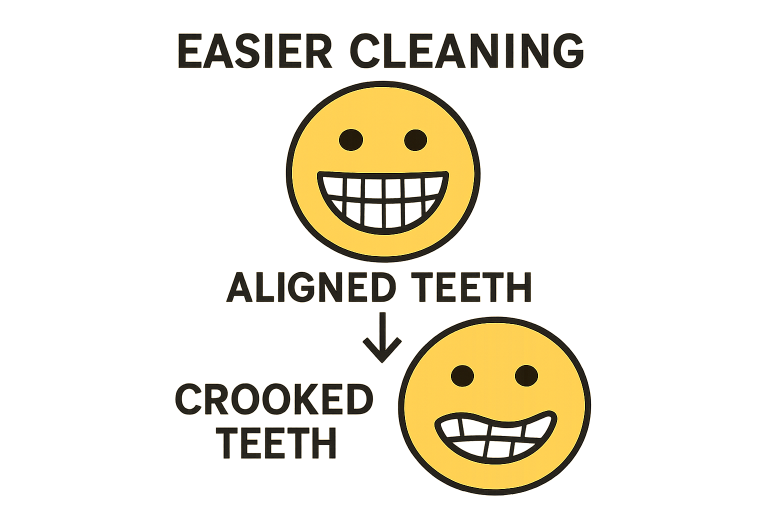
- Aligned teeth are easier to clean, reducing the risk of cavities and gum disease.
- Orthodontic treatment can prevent uneven tooth wear and jaw problems.
- Early intervention in children can guide proper jaw development and prevent future issues.
- Adults can also benefit from orthodontic care to improve oral health and function.
Table of Contents
While many people seek orthodontic treatment for a more attractive smile, straight teeth can significantly benefit your health beyond just appearance. Aligned teeth are easier to clean and maintain, making daily brushing and flossing more effective. If you’re looking for an orthodontist Omaha patients trust, it’s important to consider the profound, lifelong impact orthodontic care can have on your well-being.
Misaligned teeth and jaw issues can lead to a wide array of oral health challenges, many of which develop gradually over time. Orthodontics is about more than just correcting crooked teeth—it’s about supporting your entire oral system and creating a healthy foundation for the future.
Improved Oral Hygiene
Teeth that are crowded, crooked, or misaligned create hiding spots for plaque and food debris, making it challenging to maintain optimal oral hygiene. These hard-to-reach areas put you at a greater risk for cavities, gum inflammation, and even periodontal disease. Orthodontic treatment straightens your teeth, minimizing plaque traps and creating an oral environment where cleaning is more thorough and effective. The American Dental Association notes that well-aligned teeth are easier to keep clean, which helps reduce oral disease and supports healthy gums.
When teeth are positioned properly, it also supports healthy chewing, clear speech, and proper jaw alignment, which contributes to overall oral function. This foundational improvement in oral hygiene and efficiency is one of the most important benefits of orthodontic care for people of all ages.
Prevention of Dental Issues
Orthodontics goes beyond cosmetic improvement by preventing common dental health problems before they start. Crowded or crooked teeth contribute to uneven wear, which can damage tooth enamel and ultimately lead to tooth sensitivity or fracture. Additionally, misalignment can place undesirable stress on the jaws, potentially resulting in painful temporomandibular joint (TMJ) disorders. By realigning teeth and jaws, orthodontic treatments protect your teeth from excessive forces, lessen the risk of chipping and cracking, and help you maintain a healthy bite for a lifetime.
Benefits of Early Intervention
Orthodontic intervention during childhood can be highly beneficial. The American Association of Orthodontists recommends that a child’s first evaluation be conducted by age 7 to detect potential issues early. At this stage, children’s jaws and facial bones are still developing, which means orthodontists can guide jaw growth and manage space for newly erupting teeth, making future treatments simpler and less invasive. Early treatment can also help address harmful habits, such as thumb sucking or tongue thrusting, that might otherwise affect oral development.
Guiding Proper Jaw Growth
Treating bite problems and misalignment early often prevents more severe complications later in life, such as improper bite, excessive tooth wear, and even breathing difficulties related to oral health.
Adult Orthodontics
Orthodontic care delivers meaningful results at every stage of life, including adulthood. It’s never too late to benefit from straighter teeth. Many adults seek treatment to resolve issues with chewing, speech, jaw pain, or long-standing bite problems. Thanks to innovations like clear aligners and tooth-colored braces, modern orthodontics is more discreet than ever, allowing adults to achieve a healthy, functional, and confident smile without drawing unwanted attention.
A proper bite ensures that teeth meet correctly, preventing the uneven wear, muscle fatigue, and joint pain that sometimes develop with misalignment. Healthier teeth and gums, as well as an improved facial profile, are common outcomes for adults who complete orthodontic care, resulting in better oral and overall health.
Technological Advancements in Orthodontics
Recent advancements have transformed the field of orthodontics, making treatment more comfortable and effective. Intraoral scanners and 3D imaging enable highly accurate digital impressions of the teeth and jaws, replacing traditional, messy molds. These advances enhance both diagnostic accuracy and the fit of custom orthodontic appliances. Other technologies, such as self-ligating braces and custom-fabricated clear aligners, reduce discomfort and accelerate treatment times, thereby improving the overall patient experience.
Psychosocial Benefits
Straighter teeth and a confident smile have well-documented psychosocial benefits, particularly for children and teenagers, as well as for adults. Enhanced self-esteem and social confidence can have a profoundly positive impact on relationships, academic performance, and career success. According to research published in the International Journal of Environmental Research and Public Health, orthodontic treatment can significantly enhance social and emotional well-being, underscoring its value beyond physical health.
Final Thoughts
Orthodontics is about building and preserving oral health for life—not just achieving a great-looking smile. Straightening teeth improves oral hygiene, reduces the risk of dental and jaw problems, and supports overall physical and psychological well-being. Whether for a child getting early intervention or an adult seeking corrective treatment, the benefits of orthodontic care extend far beyond aesthetics, supporting a lifetime of healthy smiles.

The Editorial Team at Healthcare Business Today is made up of experienced healthcare writers and editors, led by managing editor Daniel Casciato, who has over 25 years of experience in healthcare journalism. Since 1998, our team has delivered trusted, high-quality health and wellness content across numerous platforms.
Disclaimer: The content on this site is for general informational purposes only and is not intended as medical, legal, or financial advice. No content published here should be construed as a substitute for professional advice, diagnosis, or treatment. Always consult with a qualified healthcare or legal professional regarding your specific needs.
See our full disclaimer for more details.