
Key Takeaways
- Wellness memberships offer access to a comprehensive range of health and wellness services in one convenient package.
- These programs foster a sense of community and offer support systems to encourage holistic health improvements.
- Structured routines and professional guidance help members achieve sustainable health outcomes.
- Organizations can benefit from increased productivity and employee retention by offering wellness memberships to their staff.
- Membership flexibility allows for individually tailored health journeys.
Table of Contents
In today’s high-paced environment, maintaining a sustainable self-care routine is often easier said than done. That’s where wellness membership programs shine. By providing a structured, reliable approach to personal care, they offer a powerful solution for those striving to prioritize their health—and make it stick. These programs combine flexibility, community, and expert resources, making it easier for anyone seeking a facial spa near me to achieve and maintain holistic well-being.
Wellness memberships do more than offer occasional relaxation; they serve as comprehensive resources for physical and mental growth. Through a mix of fitness classes, nutritional guidance, and mindfulness therapies, these memberships address wellness from every angle. Whether you’re seeking a structured approach to fitness, accountability, or a supportive peer group, there’s a solution built in.
Notably, these programs also emphasize the importance of mental health. With increasing awareness of the mind-body connection, many memberships are integrating mental wellness services alongside physical fitness activities, thereby bridging the gap between the two aspects of personal health. This holistic method makes wellness memberships an attractive option for those pursuing balanced improvement.
For anyone seeking reliable options in the Pacific Northwest, exploring spas Portland, Oregon is a good place to start, as many regional wellness centers now offer fully integrated memberships with highly trained staff and customizable packages.
Comprehensive Health Services
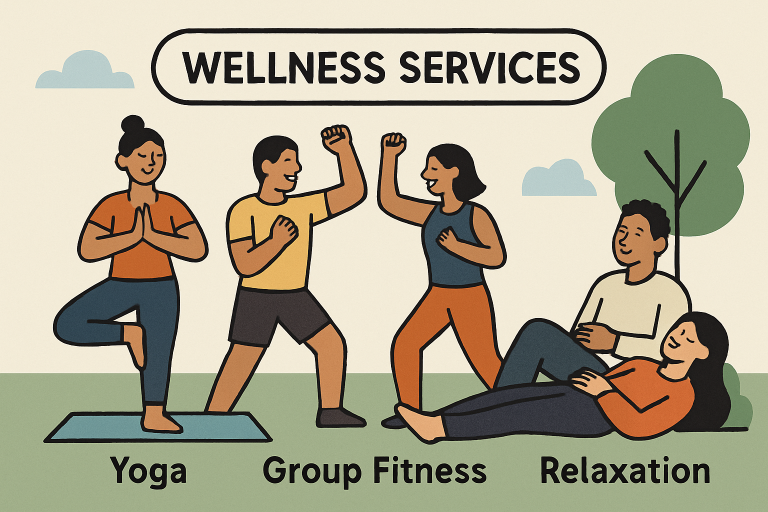
One of the primary advantages of wellness memberships is comprehensive access to a host of health services. With a single subscription, members can enjoy group fitness classes, nutritional counseling, yoga and meditation sessions, massage therapy, and more. This integration of services breaks down the traditional barriers to well-being, providing seamless care under one roof and removing the hassle of coordinating multiple appointments with different providers.
According to research from Forbes Health, a holistic approach that combines fitness, mental health care, and nutritional support yields better long-term results than focusing on a single element. By blending these offerings, wellness memberships deliver exponential value.
Community and Social Support
Connection with others is one of the most powerful motivators in any pursuit of health. Wellness memberships naturally foster a sense of community, bringing together people with shared values and goals. Group workouts, social events, and supportive workshops encourage accountability and mutual encouragement, transforming individual journeys into collaborative efforts. This sense of togetherness can have transformative effects on mental and emotional health, particularly for those who thrive in social settings or are new to wellness habits.
The social dimension of wellness memberships isn’t just about camaraderie—it also helps sustain momentum. A strong support network keeps members motivated, inspired, and less likely to abandon their goals during challenging periods.
Consistency and Accountability
Sustainable well-being hinges on regular habits, not sporadic efforts. Wellness memberships provide structured schedules and regular events, making it easier for members to maintain their routines. Weekly fitness classes, check-ins with nutritionists, and recurring mindfulness workshops all help reinforce the importance of consistency.
Moreover, the accountability that comes from interacting with staff and peers encourages members to stay engaged and responsible for their progress—a cornerstone of any successful self-care journey. Increasingly, research indicates that accountability is a crucial factor in achieving and maintaining lasting health changes.
Access to Expert Guidance
Professional guidance from trained staff—such as fitness instructors, nutritionists, and therapists—distinguishes wellness memberships from casual participation in a gym or spa. This expertise ensures every member receives evidence-based, personalized care, making it far more likely that health goals are achieved safely and efficiently. Beyond one-on-one sessions, members may also benefit from educational seminars, peer-to-peer workshops, and a robust toolkit for lifelong health improvement.
Cost-Effective Health Investment
A significant barrier to healthy living is often cost. By bundling multiple services into a single membership, wellness programs allow individuals to maximize their investment. Instead of paying separately for personal training, nutrition counseling, yoga, and massages, members pay a single monthly rate—often at a fraction of the combined cost.
Several programs also offer tiered memberships and family plans, further expanding accessibility. This cost-effectiveness encourages thorough participation, allowing members to focus on self-care without financial strain.
Enhanced Employee Productivity and Retention
For organizations, offering wellness memberships as part of employee benefits can have a significant impact on workplace culture. Companies that provide integrated wellness programs report reduced absenteeism, higher job satisfaction, and improved retention rates. In a survey published by McKinsey & Company, employees who find purpose in their work are more engaged and less likely to leave their jobs.
A proactive workplace wellness culture also signals organizational care for employees, reinforcing loyalty and reducing costly turnover.
Adaptability to Individual Needs
Modern wellness programs are designed with flexibility at their core. Members can typically customize their involvement by choosing from a menu of classes, therapies, and consultations that align with their interests and schedules. This adaptability ensures members can incorporate wellness into their lives without overwhelming disruptions, making self-care a manageable part of daily existence.
Personalization empowers participants to receive precisely the support they need—from stress management workshops to specialized dietary guidance—making these memberships accessible and effective for all lifestyles.
Conclusion
Wellness membership programs offer structured, holistic, and accessible pathways to improved health. By providing broad services, fostering community, and emphasizing accountability, they empower individuals and organizations alike to achieve their wellness goals. With adaptable plans and expert guidance, membership programs are redefining what it means to invest in one’s well-being.

The Editorial Team at Healthcare Business Today is made up of experienced healthcare writers and editors, led by managing editor Daniel Casciato, who has over 25 years of experience in healthcare journalism. Since 1998, our team has delivered trusted, high-quality health and wellness content across numerous platforms.
Disclaimer: The content on this site is for general informational purposes only and is not intended as medical, legal, or financial advice. No content published here should be construed as a substitute for professional advice, diagnosis, or treatment. Always consult with a qualified healthcare or legal professional regarding your specific needs.
See our full disclaimer for more details.


