Table of Contents
When faced with the loss of one or more teeth, choosing the right tooth replacement option is a critical decision for both your oral health and self-confidence. Many patients today are turning to Dental Implants St Louis, MO, to restore their smile, but how do you know if implants are the right fit for you? By examining the features, advantages, risks, and versatility of dental implants, you can make an informed choice about investing in your long-term dental well-being.
Dental implants stand apart as a modern, permanent solution for missing teeth, offering both cosmetic and functional benefits that traditional options might not match. The decision to move forward with implants, however, involves a thoughtful evaluation of your health, budget, and dental needs. Let’s explore what you need to know about dental implants, including their benefits, considerations, and how they stack up against alternatives.
What Are Dental Implants?
Dental implants are small, screw-shaped posts, usually made from titanium, that are surgically anchored in the jawbone to serve as a replacement for the root of a missing tooth. Once healed, these posts provide a solid, stable base for the crown, bridge, or denture that will replace your lost tooth.
Unlike dentures or dental bridges, implants integrate with your jawbone through a process called osseointegration, which helps maintain bone health and offers superior stability. For a deeper understanding of the procedure, potential benefits, and what to expect before and after surgery, resources such as Medical News Today offer comprehensive, patient-friendly explanations. This cutting-edge approach has made implants one of the most effective and long-lasting solutions for tooth loss in modern dentistry.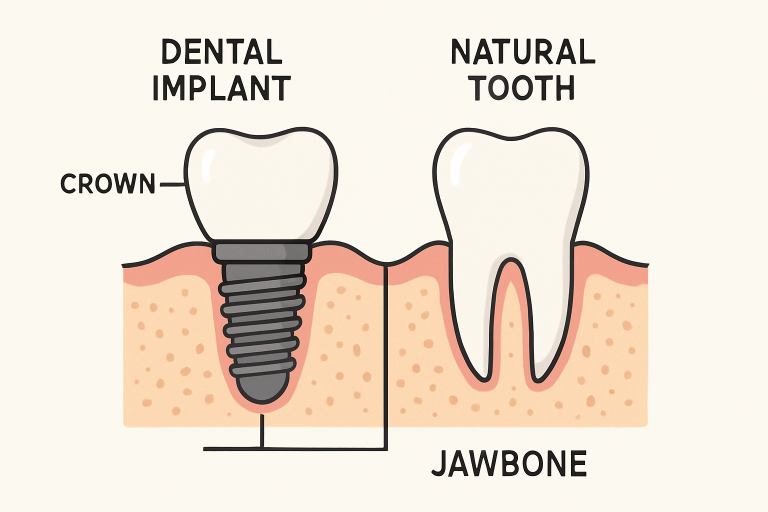
Benefits of Dental Implants
- Natural Appearance and Real Function: Dental implants mimic the appearance and strength of your natural teeth. Their secure fit helps you speak clearly, chew comfortably, and smile confidently.
- Long-Term Durability: Implants can last decades—in many cases, a lifetime—making them a valuable long-term investment for patients seeking a permanent solution.
- Oral Health Preservation: Unlike traditional bridges, implants don’t require grinding down neighboring healthy teeth. They also prevent bone loss and maintain the natural structure of your jaw.
- Daily Comfort: Because implants fuse to your bone, you avoid the discomfort, slipping, and sore spots that can accompany traditional dentures.
- Improved Quality of Life: With dental implants, you can eat a varied diet, enjoy social opportunities, and avoid the self-consciousness associated with missing teeth or unsecured prosthetics.
Potential Risks and Considerations
Dental implants are safe for most individuals, but as with any surgical procedure, there are risks and factors to consider before proceeding:
- Surgical Complications: Rarely, patients may experience infection, nerve injury, or sinus complications (particularly with implants in the upper jaw).
- Higher Upfront Cost: The initial investment is generally higher than that of other tooth replacement options, though the long-term value often outweighs these costs.
- Time Investment: Receiving implants often involves several dental visits over several months. Patients must be prepared for a staged treatment plan, particularly if bone grafts or other preparatory procedures are needed.
Cost Analysis
Dental implant costs can vary significantly depending on the provider’s expertise, geographic region, and unique patient needs. While the price of a single implant is higher than that of a bridge or removable denture, implants are less likely to require future replacements, repairs, or adjustments. Implants’ durability can make them more economical in the long term than alternatives that require ongoing maintenance or replacement every few years.
Who Is a Good Candidate?
The best candidates for dental implants are in good general health, have healthy gums, and sufficient bone volume to support the implant. If bone loss has occurred, techniques such as bone grafting can help prepare the jaw for successful implant placement. Certain health conditions, smoking, and ongoing oral disease can impact your candidacy, so a comprehensive dental evaluation is critical to determine your best path forward.
Conclusion
Dental implants represent a leading-edge solution for tooth loss, combining natural appearance, robust function, and long-term value. Their unique ability to preserve oral health and deliver a confident, worry-free smile sets them apart from traditional replacements like bridges or dentures. If you’re considering dental implants, a personalized consultation with a skilled dentist will help determine if this innovative treatment is the best option to restore your smile for years to come.

The Editorial Team at Healthcare Business Today is made up of experienced healthcare writers and editors, led by managing editor Daniel Casciato, who has over 25 years of experience in healthcare journalism. Since 1998, our team has delivered trusted, high-quality health and wellness content across numerous platforms.
Disclaimer: The content on this site is for general informational purposes only and is not intended as medical, legal, or financial advice. No content published here should be construed as a substitute for professional advice, diagnosis, or treatment. Always consult with a qualified healthcare or legal professional regarding your specific needs.
See our full disclaimer for more details.