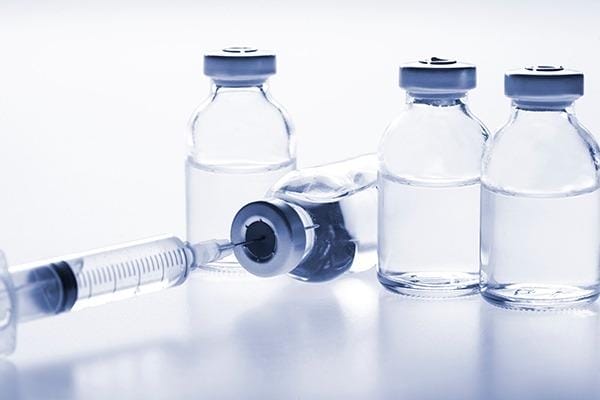
BPC-157 is now one of the most discussed substances in the wellness, recovery, and performance sphere. Athletes, fitness fans, individuals with longstanding injuries, and even biohackers have been all talking about how it has the potential to make them heal faster and recover better.
Although scientific studies in humans are only evolving, initial results with thousands of anecdotal reports have turned BPC157 into an interesting subject. This guide will cause you to know what it is, how that works, possible benefits of it, the concerns about it, and what you need to consider before you form an opinion.
What Is BPC-157?
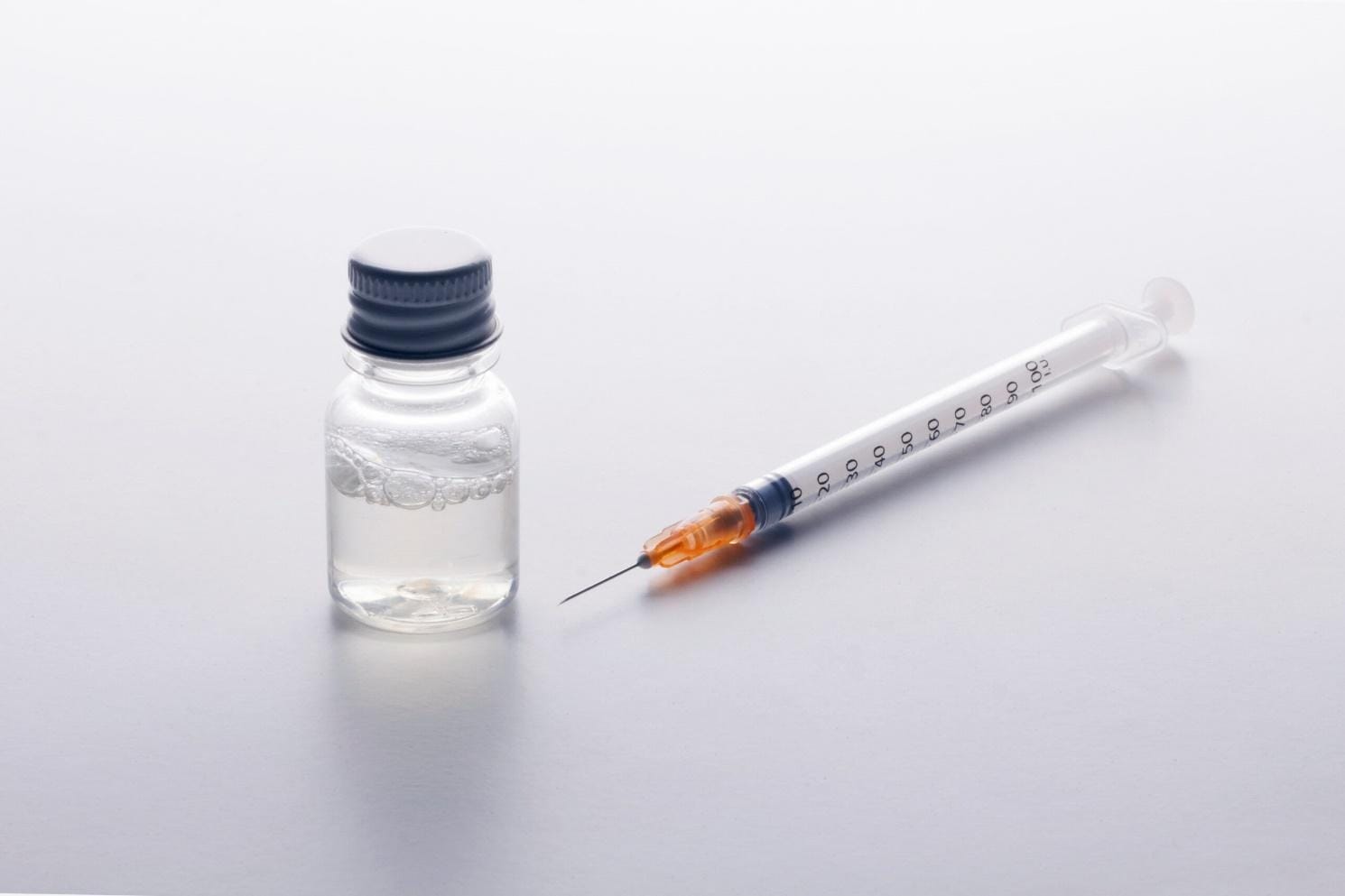
BPC-157 is an abbreviation that means Body Protective Compound-157. It is an artificial peptide composed of 15 amino acids and has its origin in a naturally occurring protein secreted in human gastric juices. That is, some form of this peptide is present naturally within the body and it is involved in the protection and repair of the stomach and digestive tract. Part of this compound was isolated and scientists made a stable synthetic counterpart of the compound used in laboratory research.
Although people refer to BPC-157 as a supplement, it is in fact a research peptide. It has not been approved by FDA to be used medically and it can’t be legally sold as a dietary supplement. In spite of such an imperative, BPC-157 is gaining interest due to its probable healing benefits, which have been observed in laboratory experiments on animals. Read more here.
How Does BPC-157 Work?
Much remains to be known about the mechanism of action of BPC-157. Nevertheless, multiple mechanisms have been found in replicated studies. Among the most uniform discoveries is that BPC-157 seems to stimulate angiogenesis meaning creation of new blood vessels.
This mechanism alone may have significant implications on tissue repair since blood flow is important to healing. It also appears that the peptide helps in the production of collagen. Connective tissues like ligaments, tendons, muscles, bones and skin have a structural framework known as collagen. In case the body is more efficient in the production of collagen, injuries can be faster.
The other interesting point is the effect of BPC-157 on inflammation. Inflammation in itself is not bad, on the contrary, it is a part of healing process. Nevertheless, acute or long-term inflammation retards the healing process and may cause chronic pain.
Studies indicate that BPC-157 can be used to balance the inflammation condition and enable the body to address it more effectively. It has also been claimed in some studies that BPC-157 also interacts with the nitric oxide system that regulates blood vessel dilation and blood circulation. Such interaction would be beneficial in the quickening of recovery by enhancing the transportation of oxygen and food to the injured tissues.
Although the mechanisms are encouraging, it is worth stressing the fact that the majority of the findings are based on animal models. Human biology is more complicated, and even now human controlled studies are required to establish how such processes can be applied in the real world.
Possible Advantages of BPC-157
There’s a reason why people are so excited about BPC-157. A lot of people who have used it say it helped them heal faster from accidents, move around better, and feel less pain or inflammation. One of the main reasons for this excitement is that it might help ligaments and tendons heal.
These tissues don’t heal as quickly as muscles do, and they can be a problem for a long time after sports accidents or overuse. Some studies show that BPC-157 may help restore function and speed up the healing of tendons and ligaments faster than the body’s natural mending process.
BPC-157 is also linked to good gut health. It’s not a surprise that it seems to help the digestive system since it comes from a protective stomach peptide. Early study suggests that it may help protect the lining of the stomach and speed up the healing of ulcers or other gut problems caused by inflammation. Because of this, a lot of people who have gastritis, acid damage, or intestinal discomfort are interested in BPC-157, even though there isn’t a lot of clinical evidence in humans yet.
Neurological help is another area that might benefit. Some tests on animals have shown that BPC-157 may help protect nerve cells and help them grow back after being hurt. Also, early signs suggest that it may have an effect on nerve systems that control mood. Even though these results aren’t proof, they do allow for more study into how the peptide could be used for things other than healing physical injuries.
Some users also say that it helps their blood flow, circulation, and general recovery after hard exercise. This fits with what scientists have seen when they look at how BPC-157 works with nitric oxide pathways. Better circulation may also help reduce swelling and stiffness after an accident and speed up the healing process.
Anecdotal reports should be taken with a grain of salt, but the regularity of these reports has helped the peptide become more popular. You can also check out this page for more.
Other Things to Consider Before Using BPC-157
Although BPC-157 has shown promise in studies and has received positive reviews, there are still some concerns. The main problem is that there aren’t enough large-scale studies of people.
Most of the information we have comes from studies with animals or from people’s own experiences. It is hard to know the full range of benefits, the best dose, the long-term safety profile, or any rare side effects that might show up over time without controlled human trials.
Another big worry is quality control. As BPC-157 is not approved for medical use, it is not controlled in the same way that drugs are. Products sold online can be very different in terms of how pure they are, how accurate their dosages are, and how they were made. Products that are offered as BPC-157 may sometimes have contaminants, wrong concentrations, or even different peptides altogether. These risks should be known by anyone who wants to use study peptides.
There is also the potential worry about the growth of blood vessels. While increasing the growth of blood vessels can help the body heal, scientists are wondering if it could also affect the growth of cancerous cells or tumors.
There isn’t any direct proof that BPC-157 raises the risk of cancer in humans, but more study is still needed in this area because angiogenesis is a part of how tumors work. People with a history of cancer or who are currently fighting cancer are often told to stay away from peptides that slow blood vessel growth until more information is gathered.
Legality and competition rules are another thing to think about. The World Anti-Doping Agency (WADA) does not allow BPC-157 to be used for medical purposes, and it is also against the law. This means that players who want to stay in line with testing rules must stay away from it. There are area rules about how peptides can be sold and used that aren’t just related to professional sports, so it’s important to know what those rules are.
Finally, anyone thinking about taking the peptide should talk to a medical worker first. People who are interested in health and fitness talk a lot about BPC-157, but it’s important to get professional help to avoid dangerous interactions, wrong doses, or confusion about what it can do.
What’s Next for BPC-157
Experts are still looking into BPC-157 because it showed great promise in early studies. If more tests on humans show that it works, it could change how doctors treat soft-tissue injuries, recovery from surgery, inflammatory bowel diseases, neurological conditions, and even heart problems. The uses that could be made are very varied, and experts are still finding new areas of interest.
But BPC-157 is in a kind of scientific limbo until the study is finished. It looks good, but it hasn’t been proven yet. It gives me hope, but I need to be careful. Even though a lot of people in some places use it, it still doesn’t have the clinical approval that is needed for normal medical practice. This makes it one of the most interesting peptides in the field of regenerative medicine today.
Summing Up
Athletes, health-conscious people, and experts are all interested in BPC-157 because it might help the body heal, lower inflammation, and protect different tissues. The science behind it is interesting, but since it is still a research compound, there are still a lot of questions that need to be solved. Because there haven’t been any human trials, there are worries about the purity of the product, and there may be long-term risks. This is something that should be done carefully and with professional help.
At the same time, the excitement about BPC-157 is part of a bigger trend: people are looking for non-traditional ways to get better, feel better, and support their health. BPC-157 has already started a fascinating talk about the future of healing and the amazing potential of bioactive compounds. It remains to be seen whether it will become an approved medical treatment or stay a niche research peptide.

The Editorial Team at Healthcare Business Today is made up of experienced healthcare writers and editors, led by managing editor Daniel Casciato, who has over 25 years of experience in healthcare journalism. Since 1998, our team has delivered trusted, high-quality health and wellness content across numerous platforms.
Disclaimer: The content on this site is for general informational purposes only and is not intended as medical, legal, or financial advice. No content published here should be construed as a substitute for professional advice, diagnosis, or treatment. Always consult with a qualified healthcare or legal professional regarding your specific needs.
See our full disclaimer for more details.