
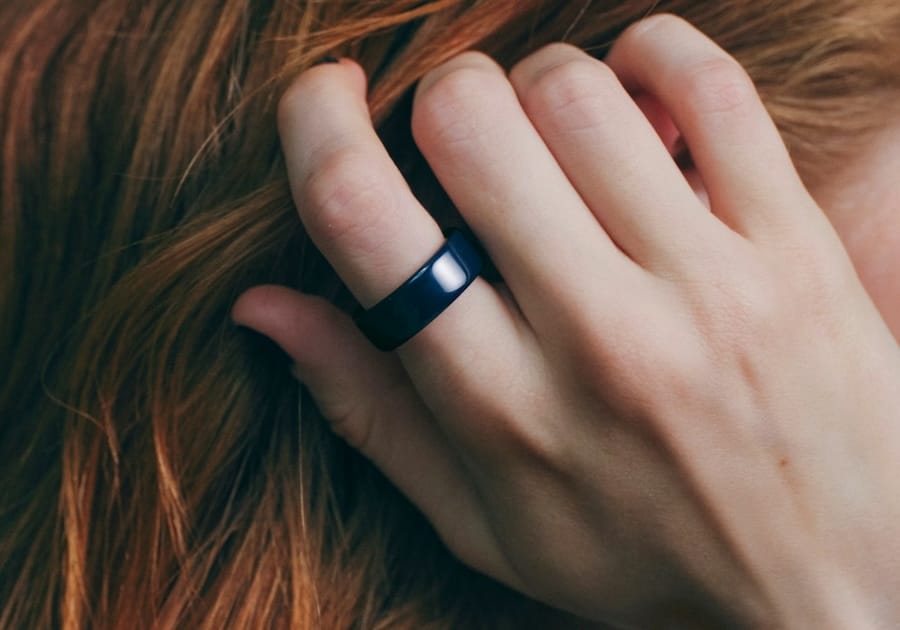
Diabetes care is entering a new era—one where real-world data, wearable sensors, and cross-sector collaboration converge to answer long-standing questions about how people truly live with the condition. Tidepool, a nonprofit leader in diabetes software, has announced a strategic collaboration with ŌURA, makers of the Oura Ring, to build one of the most inclusive, multi-source datasets in diabetes research to date. With a particular focus on women’s health, the initiative aims to close knowledge gaps that have persisted for decades.
The partnership marks a paradigm shift – one where inclusive, real-world diabetes research is conducted at scale to ensure the next generation of health tools and care models are equitable by design. Supported by ŌURA’s donation of Oura Ring Gen 3 devices and memberships, and enabled by Tidepool’s trusted data-sharing ecosystem, the collaboration will empower participants to opt in and contribute their information to an IRB-approved study launching in early 2026. All data will be de-identified and incorporated into Tidepool’s Big Data Donation Project, where researchers and innovators can access it to accelerate the future of diabetes care.
This is one of the most comprehensive, multi-source real-world datasets ever created for diabetes and a first-of-its-kind collaboration that unites biometric, behavioral, and diabetes device data over time.
A Shared Vision: Making Health Data More Actionable and Inclusive

The collaboration between Tidepool and ŌURA began with a shared mission: building a future where health data can drive smarter, more inclusive care.
“The partnership between Tidepool and ŌURA was inspired by a shared vision to make health data more actionable, inclusive, and representative of real-world experiences, especially for women living with diabetes,” says Saira Khan-Gallo, Principal Investigator of the Big Data Donation Project. “Tidepool has extensive experience in diabetes technology and device data integration, and ŌURA contributes world-class expertise in biometric monitoring through its Oura Ring platform, which captures data on sleep, heart rate, activity, temperature, and menstrual cycles. Together, it will allow us to create a landmark dataset that will advance inclusive research and innovation.”
For Tidepool, which has long worked to make diabetes data more accessible and meaningful, partnering with ŌURA represents a natural evolution, one that brings a deeper understanding of how everyday life affects glucose patterns and diabetes outcomes.
ŌURA, meanwhile, brings the ability to continuously track physiological metrics with a discreet, comfortable wearable that participants can use seamlessly in their daily lives.
Together, they aim to solve a long-standing problem in diabetes research: the lack of comprehensive, representative real-world data, especially when it comes to women.
Closing Critical Gaps in Women’s Health and Diabetes

For years, women living with diabetes have described changes in glucose patterns associated with reproductive milestones and yet few studies have systematically explored the impact of puberty, pregnancy, postpartum transitions, perimenopause, and menopause on glucose patterns and diabetes outcomes. Clinical guidance remains limited.
“This collaboration is about changing that,” says Maya Friedman, Founder of Tidepool’s Women’s Health initiative, the Period Project. “For decades, diabetes research has often underrepresented women and overlooked how critical physiological factors such as hormonal changes, sleep, and stress impact glucose patterns and overall health. With this data, we can take steps towards closing that gap and unlocking new avenues for innovation. By creating a dataset of this scale and detail, we are developing the foundation needed to develop specialized tools for the real needs of women with diabetes and their care teams.
Long-standing gaps include:
- How changes that occur as a result of menstrual cycles, menopause, or postpartum affect insulin needs and glucose variability
- Sex-specific or age-specific trends in glucose response associated with different types of exercise
- Biometric signals, such as sleep and stress that may predict glucose variability
The dataset generated through this collaboration aims to comprehensively address these intersections, providing researchers with the power of multiple data streams layered over time.
A Multi-Source Dataset That Reflects Real Life, Not Laboratory Conditions
The power of this initiative lies in its ability to pair diabetes device data with continuous biometric inputs captured effortlessly through wearables.
“By pairing diabetes device data with biometric data from Oura Ring, researchers will gain insight into how sleep, activity, heart rate, temperature trends, and menstrual cycles affect glucose levels in daily life,” Friedman explains. “Over time, these findings could accelerate the development of new clinical guidelines, next-generation diabetes technology, and personalized care models for women with diabetes.”
Unlike controlled clinical trials, this dataset captures:
- Sleep cycles
- Daily movement and exercise patterns
- Heart rate metrics
- Menstrual cycle logs
- Glucose readings from CGMs
- Insulin usage
These real-life conditions are where diabetes management truly happens, and where answers have historically been missing.
Ensuring Diversity, Equity, and Inclusive Participation
Tidepool is committed to building a dataset that accurately reflects the people most impacted by diabetes. That includes women, people of color, individuals with varying diabetes types, and populations traditionally excluded from research.
“By layering wearable data from Oura Ring with diabetes device data, we’re capturing real-world patterns with lived context, not just data from controlled research settings,” Khan-Gallo says. “Through donated Oura Rings and memberships, we’re removing cost and access barriers so participation is as inclusive and low-burden as possible. We’re also prioritizing representation across age, gender, ethnicity, diabetes type, and technology experience through intentional recruitment with community organizations and clinics that serve the populations we aim to include.”
This focus on equity is not just an ethical imperative; it is critical to generating clinically meaningful insights for all people living with diabetes.
Responsible Data Sharing: Participant Consent at the Center
Privacy and transparency are foundational to Tidepool’s work, and this collaboration is no exception. With participants opting in voluntarily through an IRB-approved process, data is collected with explicit consent and then de-identified before being shared through the Big Data Donation Project.
“Both Tidepool and ŌURA share a commitment to responsible data collaboration and transparency,” Khan-Gallo explains. “By opting into this IRB-approved study, participants consent to sharing their data with Tidepool’s Big Data Donation Project, where data is de-identified and shared with authorized academics, researchers, and industry innovators to accelerate diabetes research.”
The goal is to create a dataset powerful enough to transform diabetes care while respecting participants every step of the way.
A Shift Toward Proactive, Personalized Care
One of the most exciting aspects of the collaboration is that insights generated from this data can support clinicians in providing more proactive, informed care as patients navigate different reproductive life milestones, helping them anticipate how these milestones may affect their diabetes management.
Friedman points to menstrual cycle–related glucose changes as a clear example.
“One example is learning how reproductive health milestones influence diabetes management—topics that often go unaddressed in routine care,” she says. “Menstrual cycles are a clear case: despite the lived experience of many women, there’s limited data to guide clinical recommendations. By pairing Oura Ring signals with diabetes device data, we can begin to identify when someone’s body shows signs of increased insulin resistance, hormonal shifts, rising stress levels, or changes in sleep quality that often impact glucose variability. These insights can help inform future clinical guidelines and help care teams adjust therapy and management plans accordingly.”
In other words: the data can help clinicians support individuals before glucose variability occurs, not after.
A Low-Burden Experience for Participants
ŌURA’s contribution of Oura Ring Gen 3 devices and memberships ensures that participants can contribute high-quality data without changing their routines.
“Participants will use the Oura Ring and membership as part of their everyday lives—wearing the ring continuously and engaging with Oura’s app as they normally would,” Khan-Gallo says. “The Oura Ring enables passive data collection in a form factor that’s small, unobtrusive, and easy to incorporate into daily routines. The core ask is simply to live life as usual, which is central to our goal of keeping participation as low-burden as possible.”
This ease of use is essential: real-world data must reflect real life, not a participant’s effort to “perform” for a study.
A New Era for Women’s Health and Chronic Disease Research
Looking ahead, the collaboration represents a blueprint for how the healthcare industry can better incorporate women’s health into the broader conversation about chronic disease.
“This collaboration reflects a shared commitment to advancing equitable health research through responsible data collaboration, and it shows how cross-sector partnerships can accelerate scientific understanding of women’s health and diabetes,” Friedman says. “It also helps shift the field beyond the narrow status quo, where ‘women’s health’ is often limited to reproductive or pregnancy-related issues. Chronic conditions affect women differently across the lifespan, yet those differences remain understudied. By building a comprehensive, multi-modal real-world dataset, collaborations like this can model a new approach—one that captures the full physiological picture and generates the evidence needed to understand how chronic conditions uniquely impact women and other historically underrepresented groups.”
In the next five years, this model could become the standard for diabetes research, and beyond. Researchers could uncover early biometric cues that precede glucose variability, identify gender-specific responses to stress and exercise, or develop new personalized therapeutic approaches based on sleep patterns, hormonal cycles, or other biometric signals.
A Future Where Data Works for People—Not the Other Way Around
At its core, the Tidepool-ŌURA collaboration is about empowerment. It gives participants agency over their data and offers researchers the tools to answer questions that have gone unexamined for generations.
It represents a shift toward a world where managing diabetes is not isolated to CGM graphs or insulin doses, but deeply connected to the body’s rhythms, signals, and lived experiences.
And by centering women and underrepresented populations, it ensures that the future of diabetes care is one that belongs to everyone.
For more information, visit tidepool.org.

Daniel Casciato is a seasoned healthcare writer, publisher, and product reviewer with two decades of experience. He founded Healthcare Business Today to deliver timely insights on healthcare trends, technology, and innovation. His bylines have appeared in outlets such as Cleveland Clinic’s Health Essentials, MedEsthetics Magazine, EMS World, Pittsburgh Business Times, Post-Gazette, Providence Journal, Western PA Healthcare News, and he has written for clients like the American Heart Association, Google Earth, and Southwest Airlines. Through Healthcare Business Today, Daniel continues to inform and inspire professionals across the healthcare landscape.


