
Image Source – https://pixabay.com/illustrations/adrenomedullin-peptide-molecule-872350/
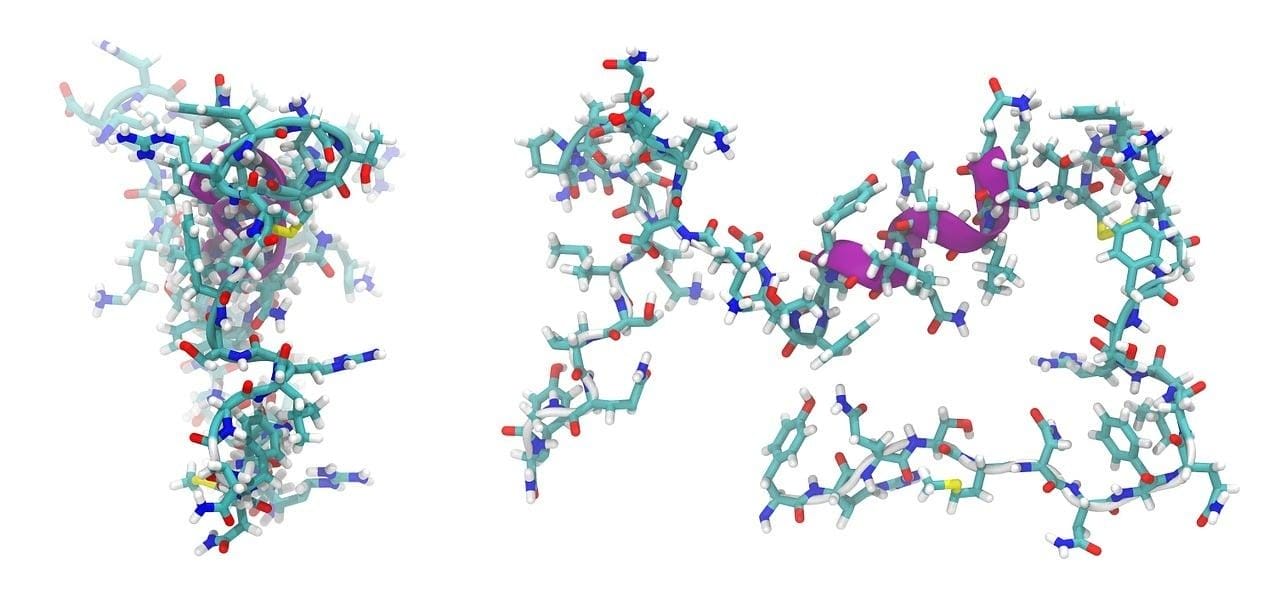
Peptides have transitioned from niche ingredients to foundational components in modern skincare formulations. Research on peptides indicates that when used correctly, these active ingredients are powerful skin-builders. Peptide molecules are highly potent messengers that direct skin cells to perform specific functions. This is especially helpful in encouraging targeted skin recovery and rejuvenation.
Peptides are classified based on their proven function in the skin:
Messenger Peptides: Communicators
Research on chemical peptides majorly focuses on communicators or signal peptides. These peptides mimic the fragments of broken-down collagen. The skin interprets this as a ‘signal’ to repair. This naturally triggers a cascade reaction in fibroblasts. Fibroblasts are the cells responsible for building skin structure. On reaching fibroblasts, peptide products with communicators stimulate the production of collagen, elastin, and glycosaminoglycans, such as hyaluronic acid.
Expression Peptides: Inhibiting Movement
This class of peptides works on wrinkles caused by repeated facial movement. These are called neurotransmitter-inhibiting peptides as they prevent the release of acetylcholine, the chemical that tells facial muscles to contract. This relaxes the tension that forms lines. Wrinkle-reducing peptide products are often available as topical solutions.
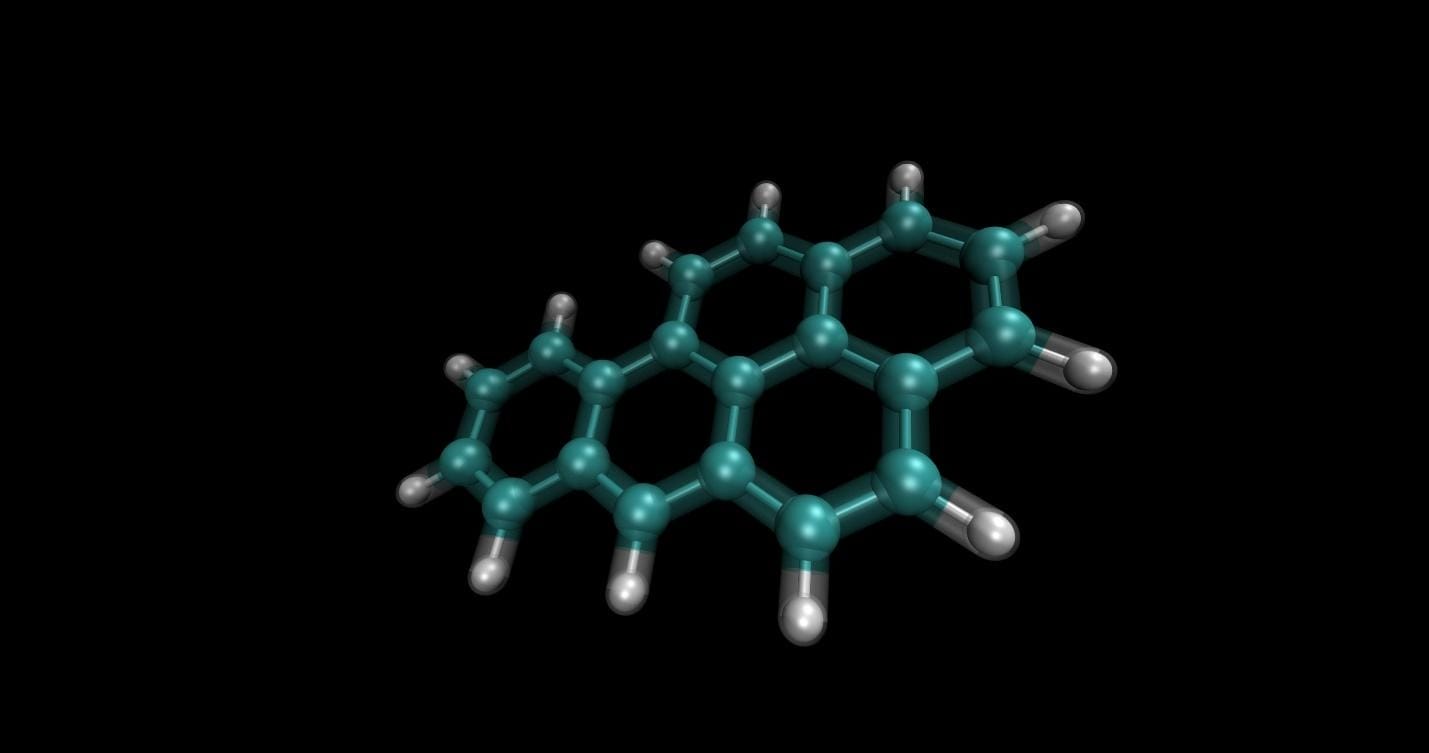
Image Source – https://unsplash.com/photos/a-blue-and-green-bracelet-_3fEYjsXHbk
Repair Peptides: Carriers and Healers
Carrier peptides are the necessary facilitators. They deliver the vital elements that are necessary for healing and enzyme activity to the skin’s deeper layers. Copper Tripeptide-1 (GHK-Cu) is one of the naturally occurring and popularly used peptides. Its regenerative capabilities make it a key ingredient in dermal care peptide products. The ability of GHK-Cu to bind copper is fundamental to maintaining the skin’s structure. It performs several functions:
Accelerated Wound Healing and Tissue Remodeling
GHK-Cu is a potent wound-healing agent. It promotes angiogenesis, the formation of new blood vessels. This helps the proliferation of several types of cells, critical to the repair process. This significantly accelerates healing and improves the quality of the regenerated tissue.
Anti-inflammatory and Immunomodulatory Effects
A crucial function of GHK-Cu is to modulate the inflammatory response. It helps reduce the levels of pro-inflammatory cytokines while increasing anti-inflammatory mediators. By regulating the activity of immune cells, GHK-Cu cures inflammation due to injury or infection. This prevents secondary tissue damage, thereby preventing scarring.

Image Source – https://unsplash.com/photos/a-red-blue-and-black-object-with-a-black-background-0Y10QUv60ck
Robust Antioxidant Defense
Copper Tripeptide-1 is also an antioxidant. It binds with copper ions, defending skin cells against reactive oxygen species (ROS). ROS is the primary cause of cellular damage and visible signs of aging. GHK-Cu, thus, protects cellular structures, including lipids and proteins, from oxidative stress induced by environmental factors, such as UV radiation and pollution.
The Future of Peptide Research
The research on chemical peptides in 2020s has been focused on improving their stability and delivery. This involves developing new delivery systems to enhance the penetration of peptide products through the skin barrier. The skincare industry is moving toward custom-designed, ‘super peptide’ blends that target multiple pathways at once. These offer comprehensive anti-aging benefits. Reverse Peptide offers chemical peptides to skincare and research brands. As a trusted nationwide supplier, it is known for its high-quality chemical peptides, all grounded in proven research. You can shop for peptides on their website or e-mail your requirements to or e-mail your requirements to [email protected].

The Editorial Team at Healthcare Business Today is made up of experienced healthcare writers and editors, led by managing editor Daniel Casciato, who has over 25 years of experience in healthcare journalism. Since 1998, our team has delivered trusted, high-quality health and wellness content across numerous platforms.
Disclaimer: The content on this site is for general informational purposes only and is not intended as medical, legal, or financial advice. No content published here should be construed as a substitute for professional advice, diagnosis, or treatment. Always consult with a qualified healthcare or legal professional regarding your specific needs.
See our full disclaimer for more details.


