Behavioral health organizations go the extra mile to accommodate as many people as possible. However, increasing no-show rates can be concerning for both their impact on providing mental health treatment and their financial standing. It is critical to adopt tools that can proactively improve attendance to retain operations and processes.
In This Article
This article contains:
- Key Takeaways
- Best Tools
- Reasons Behind High No-Show Rates
- Comparative Table
- Methodology
- Frequently Asked Questions
Key Takeaways
The key takeaways are:
- High no-show rates can be indicative of the poor customer experience that behavioral health organizations have cultivated.
- Improving scheduling, reminders and other parts of the administrative process can enhance the clinical side of the appointment.
1. Mend
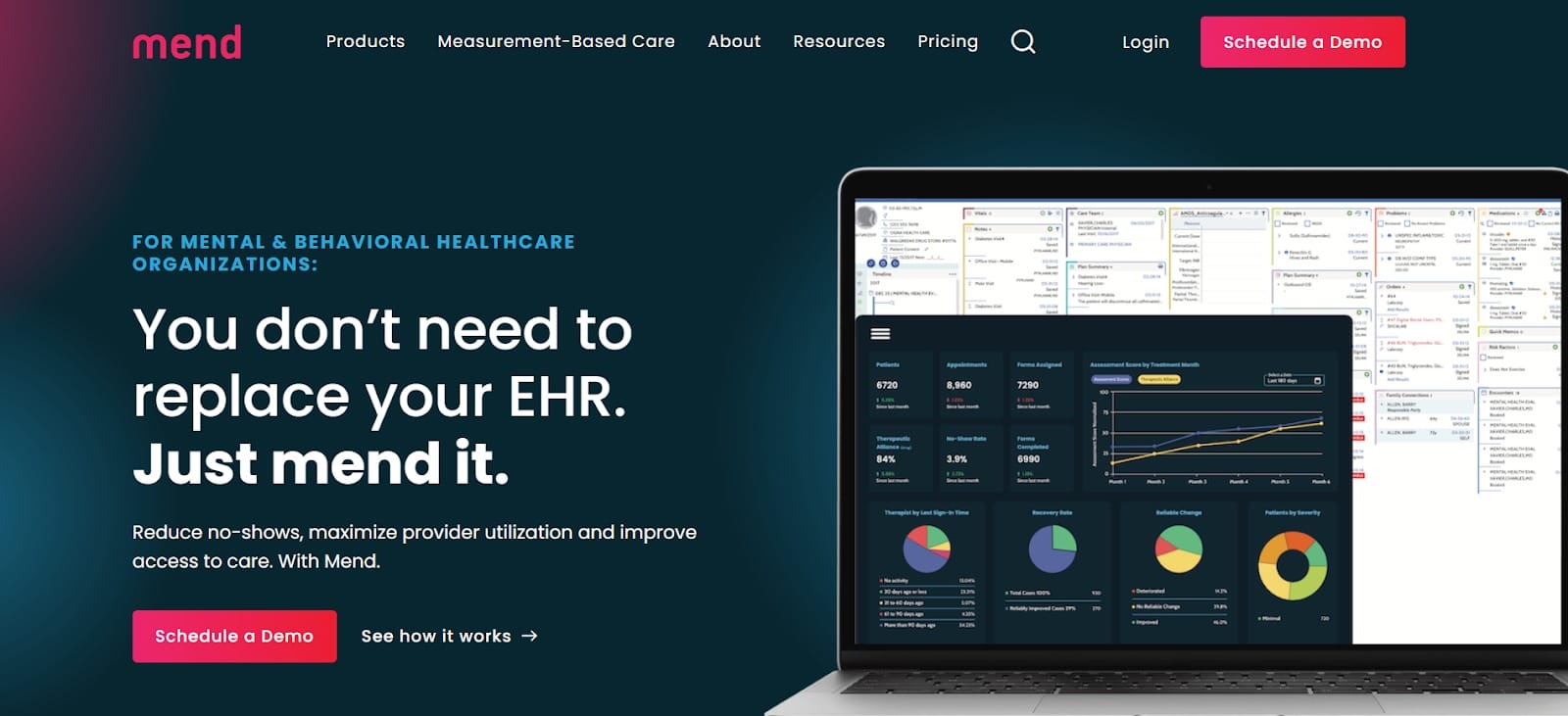
Mend is a mental health care solution designed to help clients access the support they need. As one of the best tools that help behavioral health organizations reduce no-show rates, it can schedule consults, group therapy and other types of appointments. Enterprises can lower no-show rates by up to 43% after adopting Mend.
Key Features
- Sends automated, multilingual appointment reminders
- Collects forms and processes payments to simplify visits
- Provides check-in for both virtual and in-person appointments
2. TheraNest
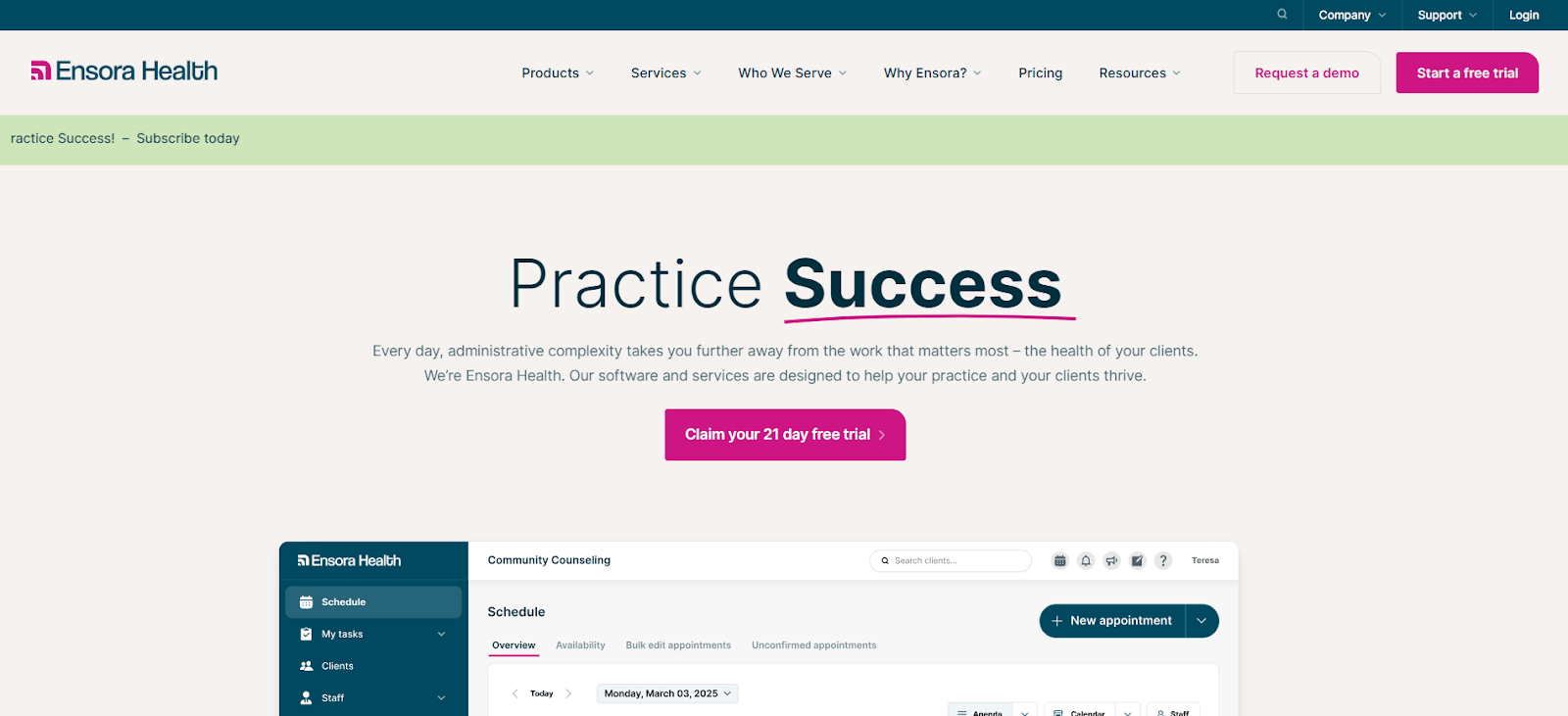
Ensora Health created TheraNest to help behavioral health entities manage their administrative tasks. This EHR and practice management solution simplifies billing, scheduling and robust reporting all at once to streamline operations and move focus toward attendance.
Key Features
- Provides a free trial
- Assists solo and group practices
- Offers multilocation management
3. SimplePractice
Simple Practice is a practice management software designed to support mental health organizations with their administrative tasks and clinical care. The scheduling solution can reduce no-show rates by up to half through customized reminders and calendar optimization.
Key Features
- Offers a free 30-day trial
- Uses an AI-powered note taker for documentation
- Offers free credentialing for sign-ups
4. Chiron Health
Chiron Health utilizes advanced AI and data profiling to analyze patient data and recommend personalized self-care plans to its clients. These tools can help build trust and confidence, leading to continued attendance and treatment in the long run.
Key Features
- Digitally guides users through lifestyle regimens
- Delivers intelligent self-care recommendations from real-time data
- Tracks the impact of drugs and self-care practices on clientele
5. Zocdoc
Zocdoc redefines how the health care industry should assist patients in finding doctors and scheduling appointments. It ensures a better customer experience for all, especially those who may need specialized help.
Key Features
- Cultivates an extensive network of clients seeking care
- Automates appointment bookings and reminders on the platform
- Integrates with many existing practice management systems
6. Tebra
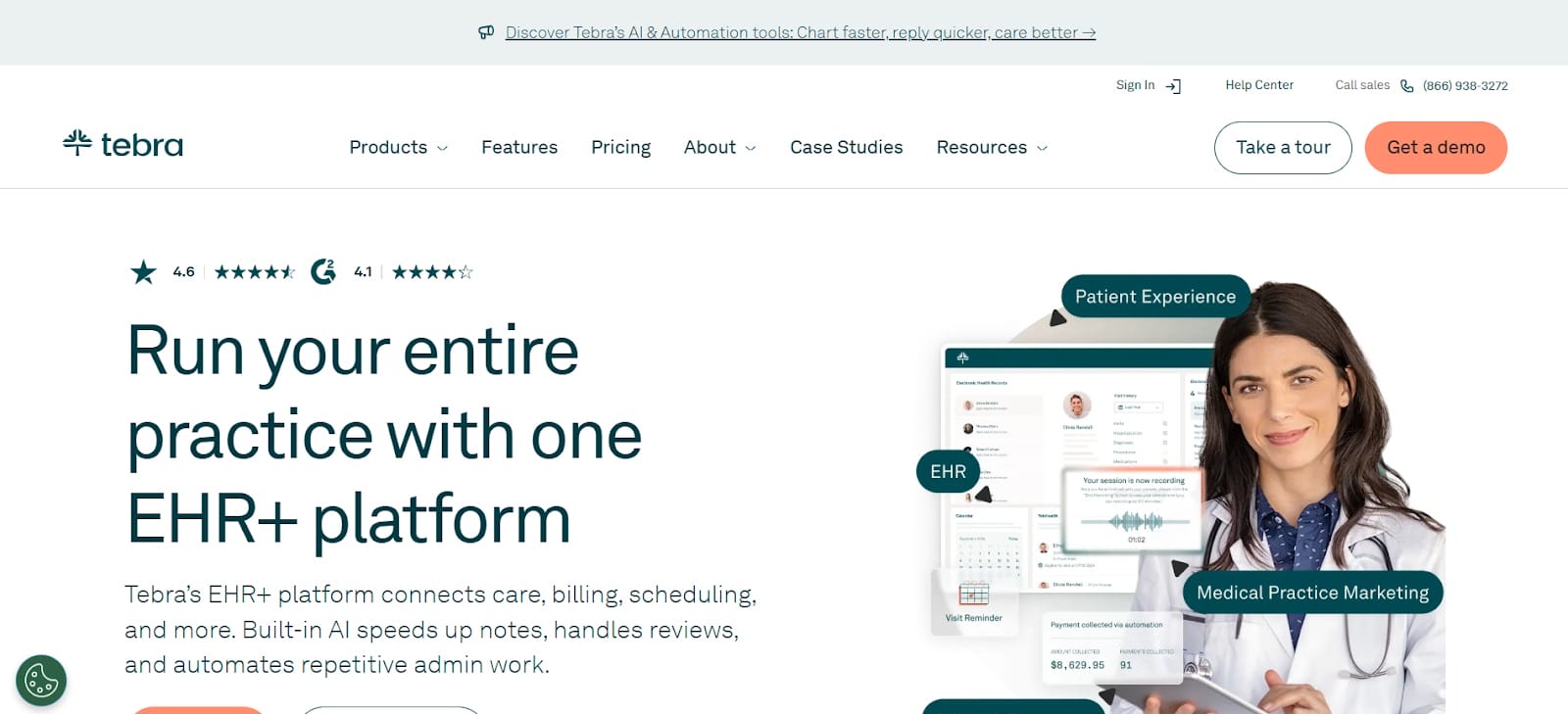
Tebra is an AI-powered solution that minimizes administrative burden to help clinics deliver the care people need, especially independent practices. Improve their experience throughout every step of the scheduling process.
Key Features
- Offers a patient portal with 24/7 online scheduling
- Delivers automated appointment confirmations and reminders
- Provides data and insights for business growth
7. Luma Health
Luma Health simplifies access to health care by ensuring providers can connect with patients’ clinical, financial and operational journeys. All tools are developed in-house to minimize confusion and streamline integration.
Key Features
- Offers a smart waitlist that automatically fills canceled spots
- Has wide broadcast messaging capabilities for better patient communication
- Provides summaries of your ROI and data-driven recommendations
Why There Have Been High No-Show Rates
No-show rates in mental health settings can range from 10% to 60% worldwide. There is a high demand for mental health providers, but it can be challenging to schedule appointments only for attendees not to show up. Here are a variety of potential causes behind it.
Mental Health Stigma
Mental health awareness has come a long way in removing the stigma that society has dealt with regarding behavioral struggles. However, lingering doubts still overshadow the work these entities do. It can be even harder when patients themselves are internally stigmatizing their own concerns.
Low Motivation
Some people experience less impactful sessions and ineffective treatment. Their mental health conditions could also be reducing their morale to continue attending.
Operational Issues
Patients may experience long wait times, challenging booking systems or inefficient scheduling processes. Unfortunately, these lead times can discourage them from attending at all. Even if they booked an appointment, communication breakdowns can boost uncertainty.
Forgetfulness
It is natural for people to forget appointments. That said, the enterprise is also responsible for sending optimal appointment reminders and ensuring the session still aligns with their schedule. Reaching out could have prompted a reschedule.
Comparative Table of No-Show Reduction Tools
Here’s a comparison of tools that help behavioral health organizations reduce no-show rates.
| Tool Name | Best For | Automated Reminders | Self-Scheduling | EHR Integration |
| Mend | Mental health appointments of all types | Yes | Yes | Yes |
| TheraNest | Reporting needs | Yes | Yes | Yes |
| SimplePractice | Calendar optimization | Yes | No | Yes |
| Chiron Health | Personalized self-care plans | Yes | No | Yes |
| Zocdoc | Connecting doctors with patients | Yes | Yes | Yes |
| Tebra | Autonomy for clients | Yes | Yes | Yes |
| Luma Health | AI-powered toolset | Yes | Yes | Yes |
Methodology for Selecting These Tools
When searching for tools to integrate into a behavioral health organization’s process, here are the elements that mattered the most:
- Focus on behavioral health: It’s critical to prioritize tools specifically built for mental-health-related workflows. At the very least, related key features should be included.
- Core no-show reduction features: Automated reminders, rescheduling options and streamlined telehealth access are vital in lowering no-show rates.
- Ease of use: User-friendly platforms are crucial for minimizing communication conflicts with clients. A simple interface will also be easier for providers to adopt.
- Integration capabilities: The ability to sync with existing EHR and practice management systems is also vital, especially for more established clinics.
Frequently Asked Questions
Here are the most frequently asked questions.
What Are the Effects of No-Show Appointments?
No-show appointments can negatively affect patients’ progress in treatment and lead to worse outcomes. On the business side, there’s the potential for revenue loss and increased idle time.
What Are Proven Ways to Minimize No-Show Rates?
Changing phone call reminders to a week before and the day before the arranged appointment reduced missed meetings to 15%, as it adhered better to patients’ schedules. Some offices also impose no-show fees as a policy.
What Is the Most Important Feature for Reducing No-Shows?
Automated, multi-channel appointment reminders are the most direct tool that can impact no-show rates. However, ease of rescheduling and accessible telehealth are also critical.
How Long Should a Professional Wait for a Late Client?
A wait period of 10 to 15 minutes is ideal for late clients. It’s better to clear up communication and scheduling with them rather than risk a no-show session.
Lower Your No-Show Rates
No-shows are a key metric to analyze when you want to improve the patient experience. Use tools that help behavioral health organizations reduce no-show rates to optimize reminders and scheduling, improve attendance, and continue providing quality care.

The Editorial Team at Healthcare Business Today is made up of experienced healthcare writers and editors, led by managing editor Daniel Casciato, who has over 25 years of experience in healthcare journalism. Since 1998, our team has delivered trusted, high-quality health and wellness content across numerous platforms.
Disclaimer: The content on this site is for general informational purposes only and is not intended as medical, legal, or financial advice. No content published here should be construed as a substitute for professional advice, diagnosis, or treatment. Always consult with a qualified healthcare or legal professional regarding your specific needs.
See our full disclaimer for more details.