An eye exam can consist of several tests to provide a proper diagnosis of a patient’s eye health, check out londoncataractcentre.co.uk to learn more. Because of this, optometrists use several tools for the best results possible. Keep reading for a list of tools used by optometrists for eye exams.
Ocuco Acuitas 3
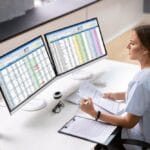
Modern optometry practices rely on comprehensive practice management software to streamline the entire eye exam process from appointment booking to patient records management. Acuitas 3 by Ocuco is an all-in-one platform designed specifically for optometrists and optical practices, integrating clinical workflows with business operations in a single cloud-based system.
This practice management software connects directly with clinical equipment like phoropters, tonometers, and slit lamps, allowing optometrists to retrieve diagnostic readings with a single click during examinations. Acuitas 3 manages appointment scheduling, electronic medical records, eye exam workflows, prescription management, and eyewear dispensing all in one place. The software also includes automated patient recalls and appointment reminders to reduce no-shows, while maintaining HIPAA compliance and industry-leading security certifications including ISO 27001:2017 and SOC 2 Type II. With real-time reporting powered by Microsoft’s Power BI, optometrists can track practice performance and make data-driven decisions to improve patient care. Trusted by over 6,750 optical locations worldwide, practice management software like Acuitas 3 has become an essential tool for modern eye care practices looking to deliver efficient, high-quality service.
Tonometer
A tonometer is a device that measures the pressure of fluids in the eyeball. Checking the fluid pressure is necessary because it provides an indication of whether a patient’s eyes can keep their shape and avoid conditions such as glaucoma. Some eye doctors use a non-contact tonometer that blows air into the eyes, while others use a tonometer that directly touches the eye. The latter requires tip covers for hygienic purposes.
Phoropter
A phoropter device is another common tool to consider. The purpose of a phoropter is to determine a prescription for glasses or contacts. The patient looks at an eye chart and use the different lenses of the phoropter to find the one that gives them the best vision.
Ophthalmoscope
Optometrists often use a handheld device called an ophthalmoscope to examine the interior of the eye and look for any signs of disease. The device features a light source with mirrors and lenses used to examine the eye closely. Before an exam using an ophthalmoscope, the patient must have their eyes dilated with eye drops.
Snellen Chart
The most recognizable tool used by optometrists for eye exams is probably the Snellen Chart. This chart notably has a giant letter E at the top and lines of letters below, with the series of letters continuing to get smaller towards the bottom of the chart. The Snellen Chart is a useful tool when it comes to measuring visual acuity.
How do optometrists perform eye exams using this cart? Optometrists usually have a Snellen chart prepared on the wall or a digital display (10 feet away from where the patient sits). You’ll be asked to cover one eye with a hand or any object to block vision on that eye, and use the other eye to read the letters on the line you’re comfortable reading. Continue reading the letters on the succeeding smaller lines without squinting. After which, do the same steps using the other eye. The optometrist will record your visual acuity based on your performance and determine the perfect lens for your vision problem.
Slit Lamp
A slit lamp is a microscope that features a light source. It allows an optometrist to inspect areas of the eye such as the eyelid, iris, and cornea. Slit lamps are incredibly useful for checking irregularities or conditions that may be in the eye.
If you suspect any eye or vision problem, consult an experienced ophthalmologist or optometrist at 3Visions Eye Care or any reliable eye care clinic. Choose one that can provide an individualized eyecare approach, combining holistic care and the best of technology.
Conclusion
You now know the essential tools that optometrists use to perform an eye examination. It’s important to know your role as a patient during such exams to make it easier for you and the eye care professional. Also, now, you know what to expect and do during these exams for a smoother and stress-free eye check-up experience.