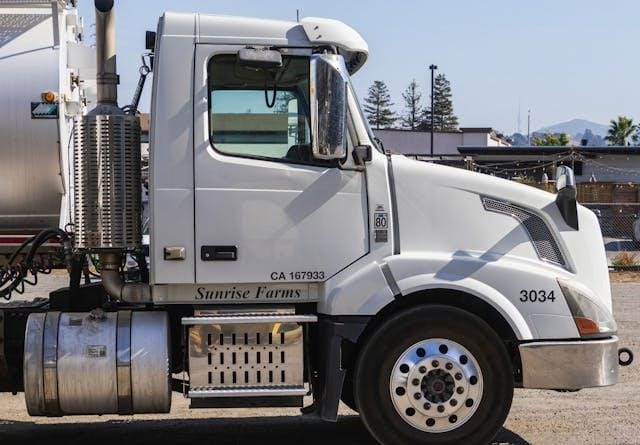
Truck accidents are among the most devastating collisions on Georgia roadways, often resulting in severe injuries, extensive property damage, and long-term financial and emotional consequences. In Augusta, where major highways and commercial routes intersect with local traffic, truck-related crashes are a serious concern for residents and visitors alike. While any motor vehicle accident can be overwhelming, truck accident cases present unique legal and practical challenges that make specialized legal support essential.
Understanding why these cases differ from standard car accident claims can help injured individuals protect their rights and pursue the compensation they deserve. From complex liability issues to federal regulations and high-stakes insurance disputes, truck accident cases demand in-depth knowledge, resources, and experience.
The Unique Nature of Truck Accidents
Truck accidents differ significantly from typical passenger vehicle collisions. Commercial trucks are larger, heavier, and subject to a distinct set of laws and operational standards. These differences affect how accidents occur, how injuries are sustained, and how claims must be handled.
Size and Weight Disparities
Commercial trucks can weigh up to 80,000 pounds when fully loaded. When a vehicle of that size collides with a passenger car, the results are often catastrophic. Victims may suffer traumatic brain injuries, spinal cord damage, internal organ injuries, or fatalities. The severity of these injuries increases the medical costs and long-term care needs associated with truck accident claims, making legal precision even more critical.
Increased Risk of Multi-Vehicle Crashes
Due to their size and stopping distance, trucks are more likely to be involved in multi-vehicle accidents, especially on congested roads or highways. These chain-reaction crashes complicate liability determinations and often involve multiple injured parties, each with competing claims.
Complex Liability in Truck Accident Cases
One of the primary reasons truck accident cases require specialized legal support is the complexity of determining fault. Unlike car accidents, where liability often rests with one or two drivers, truck accidents may involve multiple responsible parties.
Multiple Potentially Liable Parties
In a truck accident case, liability may extend beyond the truck driver to include:
- The trucking company that employs the driver
- A third-party maintenance provider
- The manufacturer of defective truck parts
- Cargo loading companies
- Vehicle leasing companies
Each of these entities may have contributed to the accident through negligence, improper maintenance, inadequate training, or regulatory violations. Identifying all responsible parties is essential to securing full compensation.
Employer Responsibility and Vicarious Liability
Trucking companies can be held accountable for the actions of their drivers under the legal doctrine of vicarious liability. However, companies often attempt to avoid responsibility by classifying drivers as independent contractors. Specialized legal knowledge is required to challenge these defenses and establish the true nature of the employment relationship.
Federal and State Regulations Governing Trucking
Truck accident cases are governed by a combination of Georgia state laws and federal regulations. Understanding how these rules apply is critical to building a strong claim.
Federal Motor Carrier Safety Regulations (FMCSRs)
Commercial trucking is regulated by the Federal Motor Carrier Safety Administration (FMCSA), which enforces rules related to:
- Hours of service and driver fatigue
- Vehicle maintenance and inspections
- Driver qualifications and training
- Cargo securement
- Drug and alcohol testing
Violations of these regulations can serve as powerful evidence of negligence. However, identifying and proving these violations requires familiarity with trucking industry standards and access to detailed records.
Georgia-Specific Laws
In addition to federal regulations, Georgia has its own traffic and liability laws that affect truck accident cases. These include comparative negligence rules, statutes of limitation, and insurance requirements. A misstep in applying these laws can jeopardize an otherwise valid claim.
The Role of Evidence in Truck Accident Claims
Evidence collection and preservation are particularly challenging in truck accident cases. Trucking companies and insurers often act quickly to protect their interests, sometimes before injured victims fully understand their rights.
Critical Types of Evidence
Key evidence in truck accident cases may include:
- Driver logbooks and electronic logging device (ELD) data
- Black box data from the truck’s event data recorder
- Maintenance and inspection records
- Cargo loading documents
- Surveillance footage and dashcam recordings
- Witness statements and accident scene photographs
Securing this evidence often requires prompt legal action, including formal preservation letters and court orders if necessary.
Accident Reconstruction
Due to the severity and complexity of truck crashes, accident reconstruction experts are frequently needed. These professionals analyze physical evidence, vehicle damage, and roadway conditions to determine how and why the accident occurred. Coordinating with such experts is a task best handled by legal professionals experienced in truck accident litigation.
Insurance Challenges in Truck Accident Cases
Insurance issues in truck accident claims are far more complex than those in standard car accidents. Commercial trucks are typically covered by large insurance policies, often involving multiple insurers.
High Policy Limits and Aggressive Defense Tactics
While higher policy limits may seem beneficial, they often lead to more aggressive defense strategies. Insurance companies may dispute liability, downplay injuries, or delay claims to pressure victims into accepting lower settlements.
Understanding how insurers evaluate truck accident claims is essential. Resources like this detailed overview of truck accident claims on FindLaw provide helpful background information on how these cases differ from ordinary auto accidents and why legal guidance is often necessary.
Comparative Negligence Arguments
Georgia follows a modified comparative negligence rule. If an injured party is found to be 50% or more at fault, they may be barred from recovering compensation. Insurers frequently attempt to shift blame onto victims to reduce or eliminate payouts, making strong legal advocacy crucial.
Long-Term Consequences for Victims
Truck accidents often leave victims facing lifelong challenges. These consequences extend beyond immediate medical expenses and lost wages.
Ongoing Medical Care and Rehabilitation
Severe injuries may require surgeries, physical therapy, occupational therapy, and long-term rehabilitation. Some victims may need assistive devices or home modifications. Accurately calculating future medical costs is a complex process that requires expert input.
Loss of Earning Capacity
Injuries sustained in truck accidents can prevent victims from returning to their previous jobs or working at all. Estimating lost earning capacity involves analyzing employment history, education, skills, and the long-term impact of the injury.
Emotional and Psychological Impact
Beyond physical injuries, victims may experience post-traumatic stress disorder (PTSD), anxiety, depression, and reduced quality of life. These non-economic damages are an important component of compensation but can be difficult to quantify without experienced legal support.
Why Local Experience Matters in Augusta
Truck accident cases are influenced by local factors, including roadway design, traffic patterns, and regional trucking activity. Augusta’s proximity to major transportation corridors increases the presence of commercial trucks in the area.
Familiarity with Local Courts and Procedures
Legal professionals with experience handling cases in Augusta understand the local court system, judges, and procedural nuances. This familiarity can streamline the litigation process and help avoid unnecessary delays.
Knowledge of Regional Trucking Routes
Understanding common trucking routes, accident hotspots, and local traffic conditions can provide valuable context when investigating a crash and presenting a case.
The Importance of Specialized Legal Advocacy
Given the high stakes and complexity of truck accident cases, working with legal professionals who focus on this area of law is often critical. Specialized advocates have the resources to investigate thoroughly, negotiate effectively, and, if necessary, litigate aggressively.
For those seeking guidance after a serious truck crash, consulting a truck collision lawyer serving Augusta can provide insight into the legal options available and the steps needed to protect one’s rights.
Evaluating Legal Representation
Choosing the right legal support involves more than selecting any personal injury attorney. Truck accident cases demand specific experience and a proven track record.
Experience with High-Value Claims
Truck accident claims often involve substantial damages. Attorneys with experience handling high-value cases are better equipped to counter insurance company tactics and pursue fair compensation.
Professional Recognition and Peer Reviews
Independent evaluations and peer recognitions can offer insight into an attorney’s reputation and expertise. For example, profiles like this Super Lawyers listing for John Foy & Associates highlight professional achievements and peer recognition within the legal community, which can be a useful reference when evaluating legal options.
Preparing for the Legal Process
Understanding what to expect can help victims feel more confident as they navigate a truck accident claim.
Investigation and Claim Filing
The process typically begins with a thorough investigation, followed by filing an insurance claim or lawsuit. Timelines are governed by Georgia’s statute of limitations, making timely action essential.
Negotiation and Litigation
Many truck accident cases are resolved through negotiation, but some require litigation to achieve a fair outcome. Being prepared for either path ensures that victims are not caught off guard.
Conclusion
Truck accident cases in Augusta are fundamentally different from standard car accident claims. The combination of severe injuries, complex liability, federal regulations, and aggressive insurance defenses makes specialized legal support not just beneficial, but often essential. Victims face long-term physical, financial, and emotional challenges that require careful legal planning and advocacy.
By understanding the unique aspects of truck accident litigation and the importance of experienced representation, injured individuals can make informed decisions about their next steps. Specialized legal support helps ensure that all responsible parties are held accountable and that victims have the best possible chance of securing the compensation they need to rebuild their lives after a devastating truck accident.

Mark Scott
With a law degree under his belt, Mark Scott understood very early that law communication was a relatively neglected area. He decided to help people by “translating” the language and offering information and advice in a clear, helpful, and actionable manner. For this reason, instead of finding him in court, you will most likely find his name online, where he is very active and thriving as a legal columnist. His part of making the world a better place is to make the law a less convoluted maze. He aims to make it easier for people to understand when and how to seek legal counsel, how to proceed in a significant number of legal matters, and how to find the proper resources so they can stand up for their rights.