The mission may be over when a veteran comes home. However, for many, the battle continues within.
According to the U.S. Department of Veterans Affairs, more than one in five veterans who served in Iraq or Afghanistan experience post-traumatic stress disorder (PTSD) each year, and depression frequently follows.
After experiencing trauma, many veterans struggle with feelings of anger, disconnection, and anxiety about relationships. Research shows that between 5% and 10% of veterans with PTSD continue to face long-term challenges in maintaining relationships.
Symptoms to Watch For
Symptoms are patient specific. However, most veterans can face different kinds of symptoms such as, but not limited to:
- Avoiding places or events that bring back memories or feelings of the traumatic event
- Getting startled easily
- Difficulty sleeping
- Emotional outbursts
- Trouble remembering the event
- Flashbacks or bad dreams of the event
These symptoms can affect a veteran’s everyday life from family relationships to work to everyday life. Recognizing the signs and symptoms early is the first step to healing.
This Veterans Day, it’s important to recognize that effective treatments can meet veterans where they are and help guide them back to the lives they want to live.
And it’s only just the beginning.
Restoring Balance After Service
Most active-duty service members and veterans look for more long-term remissions and entry back into daily life. That’s where innovative and alternative treatment methods come into play.
Although these advanced treatments remain underrecognized, few are quickly becoming more available and widely adopted.
Transcranial Magnetic Stimulation (TMS) uses magnetic pulses, similar to an mri, to gently stimulate underactive areas of the brain, particularly in the left prefrontal cortex, responsible for mood regulation, motivation, focus, and more.
In one study including 770 veterans, more than 40% saw major improvements in depression symptoms, and one in five achieved full remission. Among those who also had PTSD, nearly two-thirds reported significant symptom relief, and almost half no longer met the criteria for PTSD after completing TMS therapy.
After beginning treatment, many veterans describe a renewed sense of calm, motivation, and connection at home. Where specific moments in life can start to feel more controllable. A few benefits of TMS include:
- Improves Emotional Regulation: Veterans may nowfeel in charge of their emotions and rebuild confidence.
- Managing Triggers Becomes Easier: Enhances the ability topauseandanalyze before reacting.
- Reduces Hypervigilance and Overwhelm: Lowers fight or flight reaction.
- Rebuilds Resilience: Restores hope and provides coping mechanisms to manage stress, trauma, and daily challenges.
- Promotes Positive Behavioral and Emotional Growth: Improves mood, energy, and overall outlook of daily life.
The treatment helps rewire the brain’s response to stress, supporting a shift from constant fight or flight to a state of calm and control. This process strengthens emotional regulation and decision-making.
This gives veterans the strength to pause, think, and choose how to respond rather than reacting on instinct.
When You Need a Little More
But sometimes, a little more help is needed. Ketamine infusion therapy is another safe and effective option.
Many veterans’ seeking rapid relief from overwhelming thoughts and stress see results in a few hours of their first treatment.
In an study on-ketamine infusion therapy, 215 veterans with treatment resistant depression experienced some relief and 15% went into remission after 6 weeks of treatment.
As veterans regain control of their mental health, many rediscover a strong sense of self, along with a renewed connection to their family and communities.
While TMS focuses on retraining brain activity over time, ketamine infusion therapy offers more immediate relief, working within hours or days. This works for individuals in all states of mind. They can be in crisis or those facing treat-resistant depression.
Parents and partners worry, but don’t always know how to help. When one person in the family struggles, the whole family can too. And when one person begins to heal, so does everyone around them.
The mission does not have to end here; it can transform veterans into taking back peace and connection in their lives. Continued research and awareness about TMS and ketamine infusion therapy are essential to ensure every veteran has access to these treatments.
TMS and ketamine represent more than just an innovative treatment. They represent hope and finding lasting recovery. Veterans are encouraged to continue researching whether TMS or ketamine infusion therapy is right for them.
Veterans do not have to take this mission alone.
Image Source: ID 58172797 | Veteran ©
Bialasiewicz | Dreamstime.com
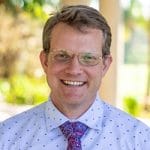
Dr. TeeJay Tripp
Dr. TeeJay Tripp, DO, is a board-certified psychiatrist and the visionary behind Serenity Mental Health Centers. Widely recognized as one of the leading psychiatrists in the Phoenix area, Dr. Tripp is dedicated to helping patients find lasting relief through personalized, evidence-based care. His philosophy centers on hope, empowerment, and restoring choice in each patient’s recovery journey.
Dr. Tripp began his career in Gilbert, Arizona, where he witnessed the transformative power of Transcranial Magnetic Stimulation (TMS) for individuals with treatment-resistant depression and other mental health conditions. Inspired by these outcomes, he set out to make advanced, compassionate mental health care more accessible nationwide.
Under his leadership as Chief Medical Officer, Serenity has grown into a comprehensive network of mental health clinics offering TMS therapy, ketamine treatment, and medication management. Dr. Tripp holds dual board certifications in General Psychiatry and Child and Adolescent Psychiatry and earned his medical degree from Midwestern University’s Arizona College of Osteopathic Medicine.
Through his continued innovation and patient-centered vision, Dr. Tripp remains committed to advancing modern psychiatric care and helping individuals take back their lives from mental illness.